Grey Rugs
 Beige Rugs
 Cream Rugs
 White Rugs
 Black Rugs
 Brown Rugs
 Blue Rugs
 Duck Egg Blue Rugs
 Green Rugs
 Pink Rugs
 Multicolour Rugs
 Yellow Rugs
 Red Rugs
 Terra Rugs
 Orange Rugs


How to Choose Wool Rugs: Materials, Sizes and Everyday Care

Wool rugs sit at the centre of natural fibre flooring, valued for their durability, comfort and long-term performance. In modern homes, wool rugs continue to act as foundational pieces, supporting both practical living and considered design choices.
This series approaches wool rugs as functional design elements, not decorative afterthoughts, helping readers understand why wool remains one of the most reliable rug materials available.

Why Wool Matters as a Rug Fibre
Wool is a naturally resilient fibre with properties that synthetic alternatives struggle to replicate. Its structure allows it to spring back under pressure, making it well suited to high-use areas. Wool also offers natural insulation, improving comfort underfoot while supporting temperature balance across seasons.
Understanding natural wool rug characteristics helps clarify why wool rugs perform consistently across living rooms, bedrooms and shared spaces without constant replacement.
Wool Rugs in UK Homes and Everyday Living
In British interiors, wool rugs UK are particularly relevant due to climate and housing styles. Wool performs well in cooler environments, adding warmth without trapping moisture. It pairs naturally with wooden floors, tiles and carpets commonly found in UK properties.
This makes wool rugs a practical choice for homes that prioritise comfort, longevity and ease of integration across different room types.
Construction, Quality and Authenticity in Wool Rugs
Not all wool rugs are created equal. Construction methods, fibre quality and finishing techniques all influence how a rug looks and behaves over time. Rugs made with higher wool content tend to retain structure longer and show wear more evenly, while blended or lower-quality options may flatten or shed prematurely.
This series helps readers recognise quality indicators, from 100 wool rugs to mixed-fibre designs, without relying on marketing language.
How Wool Rugs Function Across Sizes and Spaces
Scale and placement play a key role in how wool rugs are used. Larger rugs help unify furniture layouts, while smaller or shaped rugs offer flexibility in compact or layered interiors. Wool adapts well across sizes, maintaining comfort and structure whether used as a statement piece or a supporting layer.
Exploring size, shape and placement allows readers to choose wool rugs that work with their layout rather than against it.
Colour, Texture and Styling Potential of Wool Rugs
Wool absorbs colour deeply, giving rugs a richness that develops character over time. From neutral tones to deeper shades, wool rugs support both calm interiors and more expressive styling without appearing harsh.
Texture also plays a role, as wool fibres introduce softness and depth that flat materials cannot replicate, helping interiors feel complete rather than purely visual.

What This Wool Rugs Series Covers
This series breaks down wool rugs into clear, practical categories, covering material types, care, room-specific use, size considerations and colour-led styling. Each section is designed to stand alone while contributing to a wider understanding of how wool rugs function in real homes.
The aim is to guide readers through informed decision-making, offering expert insight into choosing, using and maintaining wool rugs with confidence and clarity.
Wool Rugs UK and Their Role in British Homes
Wool rugs UK remain a practical and design-led choice for British interiors, shaped by climate, housing styles and everyday living habits. Wool performs reliably in cooler environments, adding warmth without trapping moisture and maintaining comfort across changing seasons. This makes wool rugs especially suited to UK homes where insulation, durability and longevity matter as much as appearance.
Rather than acting as decorative extras, wool rugs often become foundational elements that support how rooms are used day to day.
Why Wool Rugs Suit the UK Climate
The UK’s temperate climate places specific demands on floor coverings. Wool naturally regulates temperature, offering insulation in winter while remaining breathable in warmer months. This balance helps maintain indoor comfort without the drawbacks associated with synthetic fibres.
Period properties across the UK often feature original floorboards, fireplaces and varied room proportions. Wool rugs integrate easily with these elements, adding warmth without competing with architectural detail.
Neutral wool tones work particularly well in older homes, allowing character features to remain visible while improving comfort underfoot.
In contemporary British homes, wool rugs bring texture and balance to clean-lined spaces. Their natural fibres soften minimalist layouts, preventing rooms from feeling cold or overly sparse.
Used beneath sofas or dining tables, wool rugs help define zones in open-plan layouts while maintaining visual flow.
British wool rugs hold particular relevance for UK homeowners interested in local materials and reduced environmental impact. British wool is known for its strength and resilience, making it well suited to rug production.
Rugs made using British wool often reflect practical design values, focusing on performance and longevity rather than short-lived trends.

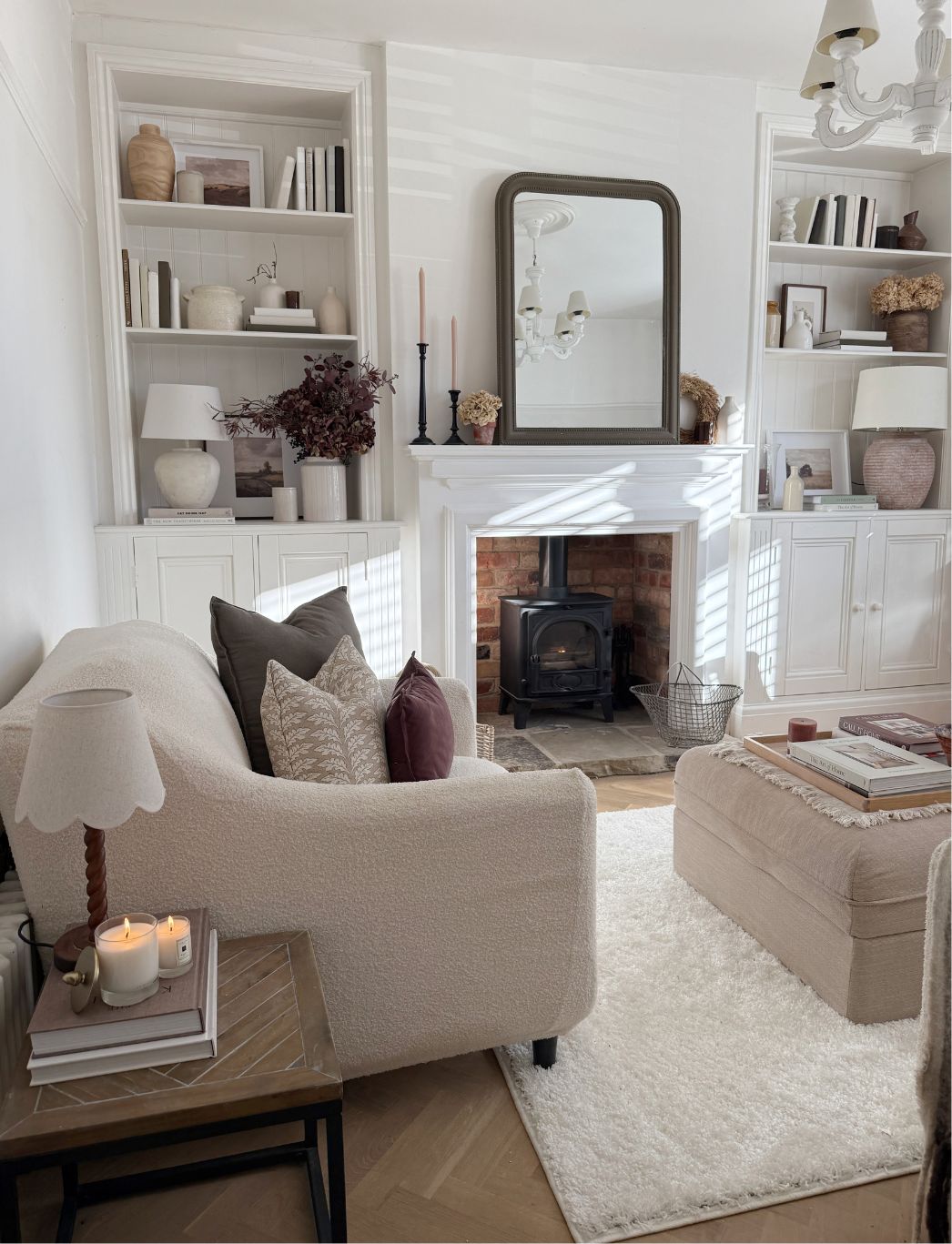
Wool Rugs for Living Rooms in UK Homes
Living rooms are among the most common placements for wool rugs for living room use. Wool handles regular foot traffic well, maintaining structure even in busy family spaces.
A well-sized wool rug anchors seating arrangements, adds warmth and improves comfort without requiring frequent replacement.
Bedrooms and Wool Rugs in the UK
Bedrooms benefit from the insulating properties of wool rugs, especially in UK homes with cooler floors. Wool adds softness underfoot while remaining breathable, supporting year-round comfort.
Lighter wool tones help reflect natural light, which is particularly useful in bedrooms with limited daylight.
Hallways and Shared Spaces
Hallways and shared areas experience consistent use, making durability essential. Wool’s natural resilience allows rugs to recover from pressure and maintain appearance over time.
Patterned or mid-tone wool rugs are especially practical in these spaces, as they disguise wear more effectively.
Choosing the Right Wool Rug Size for UK Rooms
UK room sizes vary significantly, so proportion is key. Larger rugs often work better in living rooms, helping connect furniture visually, while smaller rugs suit flats and compact spaces.
Avoid undersized rugs that float without relation to furniture, as this can disrupt balance and flow.
Wool takes dye well, producing rich, layered colour that softens over time. Neutral shades suit most UK interiors, while deeper tones add warmth in rooms with limited light.
Choosing colours that complement existing furnishings helps the rug integrate naturally rather than stand apart.
Wool Rugs UK and Long-Term Value
For UK homeowners, wool rugs UK offer long-term value through durability, comfort and adaptability. When properly cared for, wool rugs age gracefully, developing character rather than wearing out.
This makes wool a reliable investment for homes that prioritise both practicality and thoughtful interior design.
Natural Wool Rugs and Fibre Characteristics That Shape Performance
Natural wool rugs are defined by the structure of the fibre itself. Wool behaves differently from synthetic materials, responding to pressure, temperature and daily use in ways that support long-term performance. This makes natural wool rugs a reliable choice for interiors where comfort, durability and material integrity matter more than surface appearance alone.
Understanding how wool fibres function helps explain why these rugs age with character rather than wearing out prematurely.
The Structure of Wool Fibre and Its Benefits
Wool fibres have a natural crimp, which allows them to bend and recover under pressure. This elasticity helps rugs retain their shape even in areas with frequent foot traffic. Unlike flat fibres, wool springs back rather than staying compressed, maintaining a fuller appearance over time.
This structural quality is one of the main reasons 100 wool rugs outperform many blended or synthetic alternatives. One of the most valuable characteristics of natural wool rugs is breathability. Wool absorbs and releases moisture without feeling damp, helping regulate temperature across seasons. In cooler months, it provides insulation, while in warmer conditions it remains comfortable underfoot.
This natural regulation makes wool rugs suitable for year-round use in a wide range of interiors.

Dirt Resistance and Everyday Practicality
Wool fibres naturally repel dirt due to the presence of lanolin. Dust and debris tend to sit on the surface rather than penetrating deeply, making regular maintenance more effective.
This property supports the longevity of wool rugs, particularly in shared living spaces where frequent cleaning is required.
Colour Absorption in Natural Wool Rugs
Wool absorbs dye deeply, resulting in colour that appears rich rather than flat. This depth allows colours to soften gradually over time, creating a layered and natural look instead of uneven fading.
Because of this, natural wool rugs maintain visual balance even as they age, adapting well to changing interiors.
Texture and Tactile Comfort
Texture is a defining feature of wool rugs. Depending on the weave and pile height, wool can feel soft and cushioned or firm and supportive. This versatility allows wool rugs to suit both relaxed living areas and more structured spaces.
The tactile quality of wool also contributes to acoustic comfort by reducing echo in rooms with hard flooring. Not all wool rugs offer the same performance. Fibre length, processing method and wool purity influence durability and feel. 100 wool rugs typically retain structure longer and shed less once settled compared to lower-percentage blends.
This series helps readers identify quality markers that indicate long-term reliability rather than short-term appearance.
Natural Wool Rugs Versus Treated Fibres
Some rugs use treated or chemically enhanced fibres to imitate wool’s properties. While these can offer initial softness, they often lack the resilience and breathability of genuine wool.
Natural wool rugs rely on inherent fibre qualities rather than surface treatments, which supports consistent performance over time. Wool is a renewable and biodegradable fibre, making it a more environmentally responsible choice than many synthetic materials. When sourced responsibly, natural wool supports sustainable production cycles.
This environmental aspect adds to the appeal of wool rugs for homeowners seeking materials with lower long-term impact.

Natural Wool Rugs in Everyday Interiors
In everyday use, natural wool rugs adapt easily to different rooms and layouts. They perform well in living rooms, bedrooms and shared spaces where comfort and durability are equally important.
Their ability to balance practicality with visual depth makes them a dependable foundation across a wide range of interior styles. Selecting a natural wool rug involves understanding fibre quality, construction and intended use rather than focusing on appearance alone. Rugs made with high-quality wool and thoughtful construction tend to offer better value over time.
Natural wool rugs demonstrate how material choice influences both comfort and longevity, reinforcing wool’s role as a cornerstone of dependable interior design.
Non Wool Rugs Compared to Wool Rugs in Practical Interior Use
Non wool rugs are often chosen for reasons of budget, maintenance or specific lifestyle needs, yet they behave very differently from wool in everyday use. Understanding these differences helps clarify when non wool options may be suitable and when wool rugs offer clearer long-term advantages. This comparison focuses on performance, comfort and suitability rather than preference or trend.
Rather than positioning one as universally better, the goal is to identify how each material functions in real homes.
What Defines Non Wool Rugs
Non-wool rugs are usually produced using synthetic materials, natural plant fibres, or a combination of different materials, rather than traditional wool. Common examples include polypropylene, polyester, viscose, jute and cotton blends. These rugs are often manufactured with consistency and uniformity in mind, prioritising accessibility and ease of production.
Their behaviour underfoot, response to wear and ageing process differ significantly from natural wool.
Durability Differences Between Wool and Non Wool Rugs
Wool fibres are naturally elastic, allowing them to recover from pressure and maintain structure. In contrast, many non wool rugs rely on flatter fibres that compress more easily and may not rebound over time.
This difference becomes most noticeable in high-use areas such as living rooms or hallways, where wool tends to age gradually while some non wool rugs show wear more quickly.

Comfort and Underfoot Feel
Comfort is a key distinction between these materials. Wool offers natural cushioning and insulation, creating a warmer and more supportive surface. Many non wool rugs feel cooler and firmer, which can be beneficial in certain settings but less comfortable in living spaces designed for relaxation.
This contrast explains why wool rugs for living room use are often preferred in homes prioritising comfort.
Maintenance and Cleaning Considerations
Non wool rugs are often marketed as easy-care options. Synthetic fibres tolerate moisture and spot cleaning well, making them practical in kitchens or utility spaces. Wool requires more considered care but benefits from natural dirt resistance that reduces the need for frequent deep cleaning.
Understanding wool rug cleaning requirements alongside non wool maintenance helps homeowners choose appropriately for each room.
Appearance and Colour Behaviour Over Time
Wool absorbs dye deeply, producing colour with depth that softens naturally over time. Many non wool rugs rely on surface colouration, which can appear flatter and may fade unevenly with prolonged exposure to light.
This difference affects how rugs integrate into interiors long term, especially in rooms with natural light.
Environmental and Material Considerations
Wool is a renewable, biodegradable fibre, while most synthetic rugs are derived from petroleum-based materials. Plant-based non wool rugs such as jute offer environmental benefits but behave very differently from wool in terms of softness and resilience.
Material choice often reflects a balance between environmental priorities, budget and intended use.
When Non Wool Rugs Make Sense
There are situations where non wool rugs are practical choices. Outdoor spaces, kitchens, children’s play areas and short-term interiors may benefit from materials that tolerate moisture, spills or frequent replacement.
In these contexts, the limitations of non wool rugs are less impactful. Wool excels in spaces where comfort, longevity and appearance matter most. Wool’s natural insulation and long-lasting character make it an excellent choice for living rooms, bedrooms, and well-used family spaces, where it continues to look better over time.
This is why wool remains a preferred option for long-term interior planning.
Choosing Between Wool and Non Wool Rugs
The decision between wool and non wool rugs should be based on use, placement and expectations, not price alone. Wool offers durability and comfort, while non wool options provide flexibility and ease in specific scenarios.
Matching the material to the room’s demands ensures better performance and satisfaction over time. In UK homes, climate and flooring often favour wool, particularly in living spaces. However, non wool rugs still have a role in functional or transitional areas. At The Rugs, both wool and non wool options are selected with clear use cases in mind, helping homeowners choose materials that support real living rather than compromise it.
Understanding the strengths and limitations of each material allows for informed decisions that balance practicality, comfort and longevity.
Wool Rug Cleaning and Ongoing Care for Long-Term Performance
Wool rug cleaning is less about aggressive treatment and more about understanding how wool fibres behave in everyday use. Wool is naturally resilient and forgiving, which means correct routine care preserves appearance and structure without constant intervention. When cared for properly, wool rugs maintain comfort, colour depth and shape far longer than many alternatives.
This guide focuses on practical care habits that protect wool rather than overhandling it.
How Wool Fibres Respond to Dirt and Moisture
Wool fibres contain natural lanolin, which helps repel dirt and slows moisture absorption. Dust and debris tend to sit on the surface rather than embed deeply, making light, regular cleaning effective. This characteristic reduces the need for frequent deep cleaning and helps wool rugs age more evenly.
Understanding this behaviour is key to avoiding unnecessary or damaging cleaning methods.
Routine Cleaning for Wool Rugs
Regular maintenance forms the foundation of good care. Gentle vacuuming removes surface dust before it settles between fibres. Using a low-suction setting without a rotating brush helps prevent fibre stress and excessive shedding, especially in newer rugs.
Consistency matters more than intensity, as wool responds best to light, repeated care rather than occasional heavy cleaning.
Managing Spills and Stains on Wool Rugs
Prompt action is essential when spills occur. Wool absorbs liquid slowly, which gives time to act before staining sets in. Blotting gently with a clean, dry cloth removes moisture without forcing liquid deeper into the pile.
Avoid scrubbing, as friction can distort fibres and spread colour. Minimal moisture and patience are more effective than harsh treatment.

Deep Cleaning and Professional Care
While wool rugs rarely need frequent deep cleaning, professional care is recommended when deeper maintenance becomes necessary. Specialists understand fibre behaviour, dye stability and appropriate drying methods, reducing the risk of shrinkage or colour disturbance.
Professional cleaning also helps refresh texture and restore balance after extended use.
Moisture management is critical for wool. After any wet cleaning, rugs should be dried flat in a well-ventilated area away from direct heat or sunlight. Heat can damage fibres and cause uneven drying, while prolonged dampness may affect structure.
Proper drying protects both appearance and fibre integrity.
Wool Rug Cleaning in High-Use Areas
Living rooms, hallways and shared spaces place greater demands on rugs. Rotating wool rugs periodically helps distribute wear evenly, preventing concentrated pressure points from flattening fibres.
Using rug pads adds cushioning, reduces movement and protects the underside of the rug, extending overall lifespan.
Avoiding Common Wool Rug Cleaning Mistakes
Some common cleaning habits can shorten a wool rug’s life. Excessive water, harsh detergents and high-powered vacuums all place unnecessary stress on fibres. Wool does not benefit from frequent shampooing or steam cleaning unless handled by professionals.
Allowing wool to perform naturally often produces better results than over-cleaning. In homes with children or pets, wool rugs remain practical due to their resilience and natural dirt resistance. Regular surface cleaning and prompt attention to spills maintain hygiene without compromising fibre quality.
Choosing mid-tone colours or subtle patterns can also help disguise everyday marks between cleans.
Seasonal Care and Wool Rug Longevity
Seasonal changes affect how rugs perform. During colder months, wool adds insulation and comfort, while in warmer periods it remains breathable. Light airing during dry weather helps refresh fibres and remove trapped dust.
Seasonal awareness supports consistent performance year-round.
In UK interiors, wool rug cleaning routines benefit from the fibre’s suitability to cooler, often damp conditions. Wool handles temperature variation well when properly cared for, making it a dependable choice for British homes.

Wool Rugs for Living Rooms and Shared Spaces
Wool rugs for living room spaces are chosen for their ability to combine comfort, durability and visual cohesion in areas that experience the most daily activity. Living rooms and shared spaces require rugs that perform consistently under foot traffic, furniture movement and regular use. Wool naturally meets these demands while maintaining a soft, supportive feel underfoot.
Rather than acting as surface decoration, wool rugs often become grounding elements that influence how shared spaces are used and experienced.
Why Wool Works Well in High-Use Living Areas
Living rooms place repeated pressure on flooring, particularly around seating and walkways. Wool fibres have natural elasticity, allowing them to recover from compression and maintain shape over time. This resilience makes wool especially effective in shared areas where other materials may flatten or show wear more quickly.
Wool also contributes to a warmer and quieter environment, supporting both acoustic comfort and insulation. A well-sized wool rug helps define seating layouts and brings furniture into visual alignment. When sofas and chairs sit partially on the rug, the room feels more structured and intentional.
This approach is particularly effective in open-plan layouts, where rugs create visual zoning without the need for walls or dividers.
Comfort and Underfoot Support in Shared Spaces
Shared spaces need to support movement as well as relaxation. Wool provides a balanced surface that feels cushioned without being unstable. This makes it suitable for rooms where people sit, walk and stand throughout the day.
The tactile quality of wool improves how a space feels physically, not just how it looks visually.
Wool Rugs in Family Living Rooms
In family homes, practicality matters. Wool naturally resists dirt and helps disguise minor marks, making it well suited to living rooms used by children or pets. Its structure allows it to cope with everyday activity without losing form.
Choosing mid-tone colours or subtle patterns helps maintain appearance between regular cleaning routines.
Layout Considerations for Living Room Wool Rugs
Proportion plays a key role in how a wool rug functions within a room. Rugs that are too small can leave furniture feeling disconnected, while larger rugs help unify seating arrangements.
In most living rooms, selecting a rug that extends beneath key furniture pieces creates better flow and balance.
Wool Rugs in Multi-Use Shared Areas
Shared spaces often change function throughout the day, from relaxing to working or entertaining. Wool rugs adapt well to these shifts, maintaining comfort and structure regardless of how the room is used.
Their visual neutrality allows them to support evolving layouts without constant restyling.
Wool introduces texture that softens hard flooring such as wood, tile or laminate. This textural layer adds depth without overwhelming the space, helping interiors feel more complete and considered.
In many cases, texture replaces the need for bold pattern, especially in calm, neutral living rooms.

Colour Choices for Living Room Wool Rugs
Neutral tones remain popular for shared spaces due to their flexibility. Greys, beiges and natural shades integrate easily with changing furniture and accessories, while deeper colours add warmth in rooms with limited daylight.
Colour selection should always consider room size and light levels to maintain balance.
Practical Enhancements for Shared Spaces
Using a rug pad beneath a wool rug improves both comfort and safety. Pads reduce movement, protect flooring and help distribute pressure evenly across the rug surface.
These additions extend the rug’s lifespan while improving everyday usability.
In UK interiors, wool rugs for living room settings perform particularly well due to climate and common flooring types. Wool provides insulation on cooler floors and adapts well across seasons.
Round and Circular Wool Rugs for Softened Interior Layouts
Round wool rugs introduce a sense of flow and softness into interiors that are often dominated by straight lines and sharp angles. Unlike rectangular rugs, circular shapes change how a room is read visually, easing transitions between furniture and creating a more relaxed atmosphere. When made from wool, these rugs combine visual fluidity with the comfort and resilience needed for everyday living.
Circular wool rugs are particularly effective in spaces where balance and movement matter more than strict symmetry.
How Shape Influences Spatial Perception
The shape of a rug has a direct impact on how a room feels. Circular wool rugs soften rigid layouts by breaking up linear furniture arrangements and architectural lines. This shift reduces visual tension, making spaces feel calmer and more approachable.
In rooms with boxy proportions or strong structural elements, a round rug introduces contrast without adding visual clutter.
Round Wool Rugs in Living Rooms
In living rooms, round wool rugs work best as focal anchors rather than full coverage pieces. Placed beneath a coffee table or between seating elements, they draw attention to the centre of the room while keeping the surrounding space open.
Wool’s texture ensures the rug feels substantial underfoot, preventing circular designs from appearing decorative or lightweight. Open-plan interiors benefit from the zoning effect of circular wool rugs. A round rug can define a seating or reading area without cutting across walkways or interrupting flow.
This makes circular rugs especially useful in multifunctional spaces where visual boundaries need to remain subtle rather than fixed.
Circular Wool Rugs in Bedrooms
Bedrooms respond well to softer shapes. Round wool rugs work particularly well in smaller bedrooms where rectangular rugs may feel visually heavy.
The rounded shape supports a calmer, more restorative atmosphere, aligning well with sleep-focused design.
Material and Texture Considerations
Wool adds depth and structure to round rugs, ensuring they maintain presence even without sharp edges. The natural resilience of wool fibres helps circular rugs retain their shape and surface integrity over time.
Texture plays a key role here, as wool prevents circular designs from feeling flat or purely decorative.
Pattern and Design on Circular Rugs
Patterns behave differently on round surfaces. Circular wool rugs often use central motifs, radial symmetry or subtle textural variation to maintain balance. Dense or overly directional patterns are less common, as they can disrupt the flow of the shape.
This makes round wool rugs particularly suitable for interiors that favour calm, cohesive design. Neutral tones work especially well in circular formats, allowing the shape to stand out without visual competition. Soft greys, beiges and natural shades enhance the gentle presence of round rugs.
Deeper colours can also work, provided the surrounding space remains restrained to maintain balance.
Furniture Pairing with Circular Rugs
Round rugs pair best with curved or lightly structured furniture, such as rounded coffee tables, accent chairs or softer sofa silhouettes. This pairing reinforces visual harmony and prevents the rug from feeling disconnected from the rest of the room.
Leaving visible floor space around the rug helps maintain proportion and clarity.
Practical Placement and Sizing
Sizing is crucial with circular rugs. A round wool rug that is too small can feel accidental, while one that is appropriately scaled feels intentional and grounding. Measuring the central zone rather than the entire room often leads to better placement decisions.
Rug pads are particularly helpful with round rugs, improving stability and comfort. In UK interiors, round wool rugs are popular in flats, bedrooms and shared living areas where space needs to feel open and adaptable. Wool performs well across seasons, adding warmth without heaviness.
Children’s Wool Rugs and Comfort-Focused Family Spaces
Children’s wool rug choices play an important role in shaping spaces that are safe, comfortable and supportive of everyday family life. Children’s rooms and shared play areas place unique demands on rugs, requiring materials that feel soft underfoot, cope with frequent use and remain easy to live with over time. Wool meets these needs naturally, offering resilience without compromising comfort.
Rather than being purely decorative, wool rugs in children’s spaces act as functional surfaces that support play, movement and rest.
Why Wool Is Suitable for Children’s Rooms
Wool is naturally insulating and cushioned, which makes it comfortable for children who spend time sitting or playing on the floor. The fibre’s ability to regulate temperature helps keep floors warm in cooler months while remaining breathable year-round.
Its structure also allows it to recover from pressure, making children’s wool rugs more resistant to flattening than many synthetic alternatives. Comfort and stability are essential in children’s spaces. Wool provides a supportive surface that reduces impact during play without feeling unstable or slippery. When paired with a quality rug pad, a wool rug offers additional grip and cushioning.
This combination supports safer movement while still feeling soft and inviting.
Durability in High-Activity Areas
Children’s rooms and play areas often experience concentrated wear. Wool’s natural elasticity allows fibres to spring back after compression, helping rugs maintain structure even with repeated use.
This durability makes wool a practical choice for spaces where toys, furniture and frequent movement are part of daily life.
Managing Spills and Everyday Mess
Spills are inevitable in children’s spaces. Wool naturally repels liquid to a degree, giving time to blot spills before they soak in. This characteristic makes routine maintenance more manageable without constant deep cleaning.
Choosing mid-tone colours or gentle patterns can further help disguise minor marks between cleans.
Wool Rugs for Nurseries and Young Children’s Bedrooms
In nurseries, wool rugs add warmth and softness without the need for heavy layering. Their breathable nature supports comfort during floor time, while their texture provides a gentle sensory experience.
Simple designs and calm colour palettes help create a soothing environment suitable for rest and play. Design selection should balance visual interest with longevity. Soft colours, subtle patterns and textured weaves age more gracefully as children grow, avoiding overly theme-specific designs that may feel dated.
This approach allows children’s wool rugs to transition easily as the room’s purpose evolves.
Wool Rugs in Shared Family Spaces
In shared family areas, wool rugs create comfortable zones where children and adults can spend time together. Their durability supports mixed use without needing frequent replacement.
This makes wool rugs suitable not only for bedrooms but also for play corners and multi-use living spaces. Routine care is usually sufficient for wool rugs in children’s spaces. Gentle vacuuming removes surface debris, while prompt attention to spills helps preserve fibre quality.
Avoiding harsh chemicals protects both the rug and the indoor environment.
Longevity as Children Grow
One of the key advantages of wool is its ability to age alongside a family. A well-chosen wool rug can move from a nursery to a child’s bedroom and later into a shared space without feeling out of place.
This adaptability supports long-term value rather than short-term use. In UK homes, children’s wool rugs are especially valued for their warmth and durability on cooler floors. They perform well in bedrooms, playrooms and shared areas where comfort and resilience are equally important.
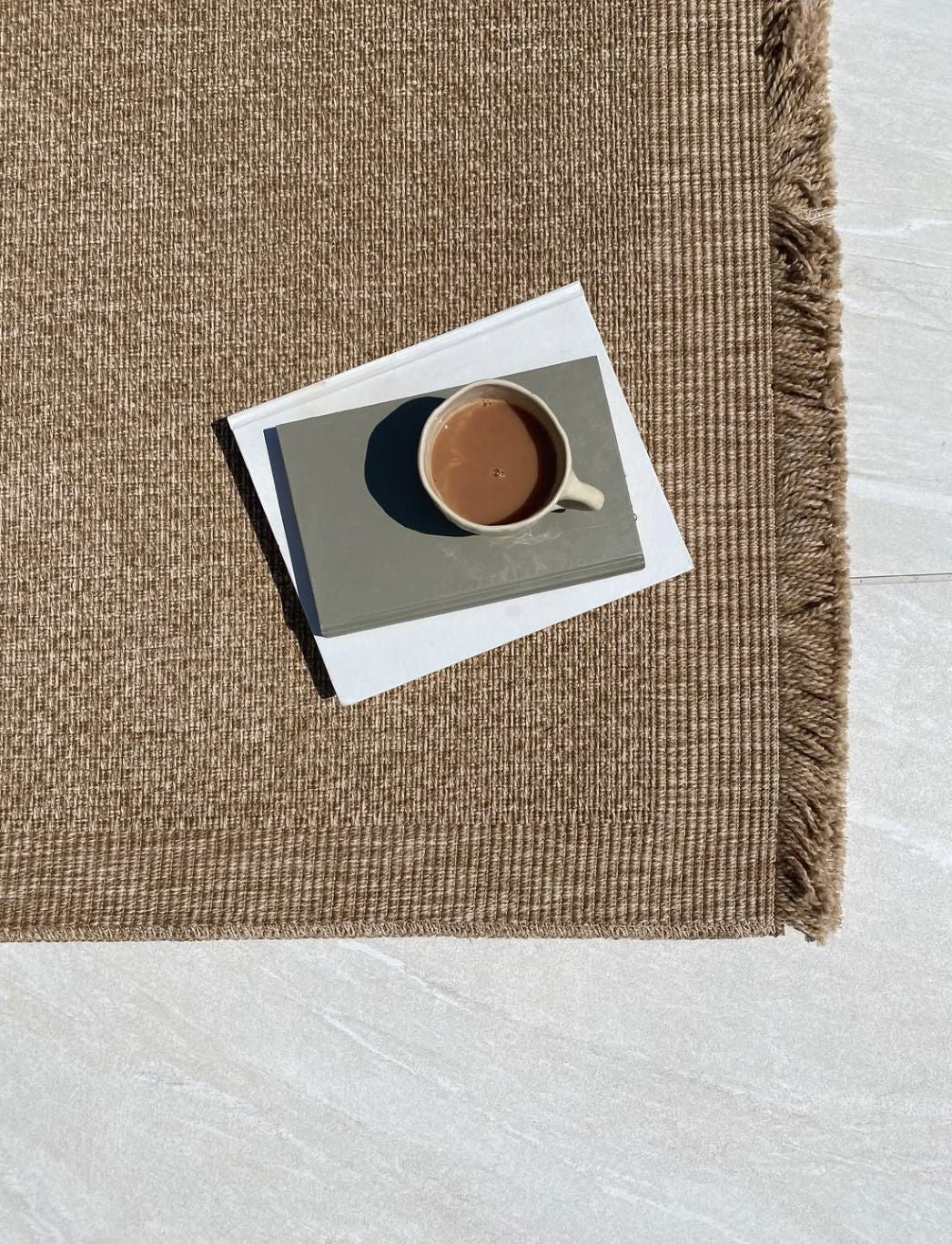
Wool jute rugs bring together two distinct natural fibres to create floor coverings that feel grounded, textured and structurally balanced. By combining the softness and resilience of wool with the strength and organic texture of jute, these rugs offer a practical alternative for interiors that need warmth without excessive softness. This mixed fibre approach suits homes that value natural materials and subtle contrast rather than uniform finishes.
Understanding the Role of Jute in Wool Blended Rugs
Jute provides a strong, fibrous base that adds structure and stability to a rug. In wool jute rugs, jute is often used in the foundation or woven alongside wool to create a flatter, more grounded surface. This reduces excessive pile height while maintaining durability.
The presence of jute also introduces a raw, organic quality that contrasts gently with wool’s softness, creating visual and tactile depth.
Texture is the defining feature of mixed fibre rugs. Wool contributes softness and warmth underfoot, while jute adds a slightly firmer, more textured feel. Together, they create a surface that feels supportive rather than plush, making these rugs well suited to rooms where stability matters.
This balance prevents the rug from feeling too delicate or overly casual, positioning it comfortably between comfort and structure.

Wool Jute Rugs in Living Rooms and Shared Spaces
Living rooms benefit from the grounded presence of wool jute rugs, particularly in interiors with wooden or stone flooring. These rugs anchor seating areas while maintaining a natural, understated aesthetic.
Their texture adds interest without relying on bold pattern, allowing furniture and architectural features to remain the focus.
Using Wool Jute Rugs in Dining Areas
Dining spaces require rugs that sit flat and remain stable beneath furniture. The jute component in wool jute rugs helps achieve this, reducing movement and improving durability under tables and chairs.
Wool still provides comfort and warmth, preventing the rug from feeling too coarse or utilitarian.
Visual Style and Design Language
Designs in wool jute rugs tend to be restrained, focusing on neutral palettes, subtle patterning and visible weave texture. This makes them particularly suitable for interiors that favour calm, natural styling.
Rather than acting as statement pieces, these rugs support the overall composition of the room. Colour behaves differently in wool jute rugs due to the contrast between fibres. Wool absorbs dye deeply, while jute retains its natural tone, resulting in softened colour variation.
This interplay creates rugs that feel layered and organic rather than flat or uniform.
Durability and Everyday Performance
The combination of wool and jute enhances durability in medium-use areas. Wool’s elasticity helps the rug recover from pressure, while jute adds strength and reduces excessive wear.
This makes mixed fibre rugs suitable for living rooms, dining spaces and other shared areas where consistent use is expected.
Caring for wool jute rugs involves understanding both fibres. Regular gentle vacuuming removes surface debris, but excessive moisture should be avoided, as jute is sensitive to water.
Spot cleaning with minimal moisture and allowing the rug to dry thoroughly helps preserve structure and appearance.
Wool Jute Rugs in Homes with Children or Pets
In family homes, wool jute rugs offer a practical balance. They are durable enough to handle daily activity while remaining comfortable underfoot. Their textured surface can also help disguise minor wear.
Choosing neutral tones further supports longevity in busy households. In UK interiors, wool jute rugs work well with natural flooring and understated décor. They add warmth without heaviness and texture without clutter.
Wool jute rugs demonstrate how combining fibres can create rugs that feel thoughtful, adaptable and quietly confident in both form and function.
Antique and Vintage Wool Rugs with Aged Character and Depth
Antique wool rugs and vintage wool rugs bring a sense of history and visual softness that newer pieces often lack. Time alters wool in a way that enhances rather than diminishes it, allowing colours to mellow, fibres to relax and patterns to blend into a more cohesive whole. These rugs feel settled and balanced, making them valuable in interiors that prioritise depth over perfection.
Rather than appearing worn, well-kept antique and vintage wool rugs carry character that reflects years of use and careful ageing.
Understanding the Difference Between Antique and Vintage Wool Rugs
The distinction between antique and vintage rugs is usually based on age, but their interior role is closely aligned. Antique wool rugs typically date back several decades or more, while vintage pieces are newer but still aged enough to show patina. Both share softened colour, relaxed texture and a sense of visual maturity.
What matters most is not the label but the condition, weave quality and how naturally the rug has aged. Wool fibres respond uniquely to time and use. As rugs age, fibres become softer and more pliable, creating a surface that feels comfortable rather than compressed. Colours also shift gradually, losing harsh contrast and developing a layered appearance that feels warm and lived in.
This ageing process is one of the main reasons vintage wool rugs integrate so easily into modern interiors.
Colour Softening and Visual Balance
One of the most appealing qualities of antique and vintage wool rugs is colour behaviour. Reds, blues and neutrals become muted and balanced, making these rugs easier to style than newer, highly saturated pieces.
This softened palette allows aged rugs to sit comfortably alongside contemporary furniture without dominating the room.
Over time, wool rugs develop subtle surface variation as fibres relax and pile height evens out. This texture adds depth without relying on bold pattern or strong colour contrast.
In interiors, this tactile quality helps create spaces that feel layered and considered rather than overly styled.
Antique and Vintage Wool Rugs in Living Rooms
Living rooms benefit greatly from the grounding presence of vintage wool rugs. Their visual calm anchors seating areas while adding warmth and personality. When paired with clean-lined furniture, the contrast between aged textile and modern form creates balance.
Allowing parts of the rug to remain visible rather than heavily covered helps showcase its patina.
Using Aged Wool Rugs in Bedrooms
In bedrooms, antique and vintage wool rugs contribute to a relaxed and restorative atmosphere. Their softened fibres and muted tones support comfort without visual stimulation.
Placed under or beside the bed, they frame the sleeping area while maintaining a calm, grounded feel.
Mixing Antique Wool Rugs with Contemporary Interiors
Aged wool rugs work particularly well in contemporary spaces. Their organic texture offsets smooth finishes such as glass, metal or polished wood, preventing interiors from feeling cold or flat.
Repeating one or two colours from the rug elsewhere in the room helps maintain cohesion.

Practical Considerations When Choosing Aged Wool Rugs
Condition should always be assessed carefully. Well-preserved structure, stable edges and even wear are more important than perfect symmetry. Minor imperfections often add character rather than detract from value.
Using rug pads and rotating the rug periodically helps protect older fibres from uneven wear.
Care for aged wool rugs should be gentle and consistent. Light vacuuming without rotating brushes preserves fibre integrity, while excessive moisture should be avoided.
Professional cleaning is recommended for deeper care to prevent damage to older fibres and dyes.
Antique and Vintage Wool Rugs in UK Homes
In UK interiors, antique wool rugs and vintage wool rugs add warmth and individuality to spaces that often rely on neutral foundations. They suit period properties particularly well but also bring depth to modern homes.
Antique and vintage wool rugs demonstrate how time enhances material, turning wool into a surface that feels grounded, expressive and quietly enduring.
Grey Wool Rugs and Balanced Neutral Foundations
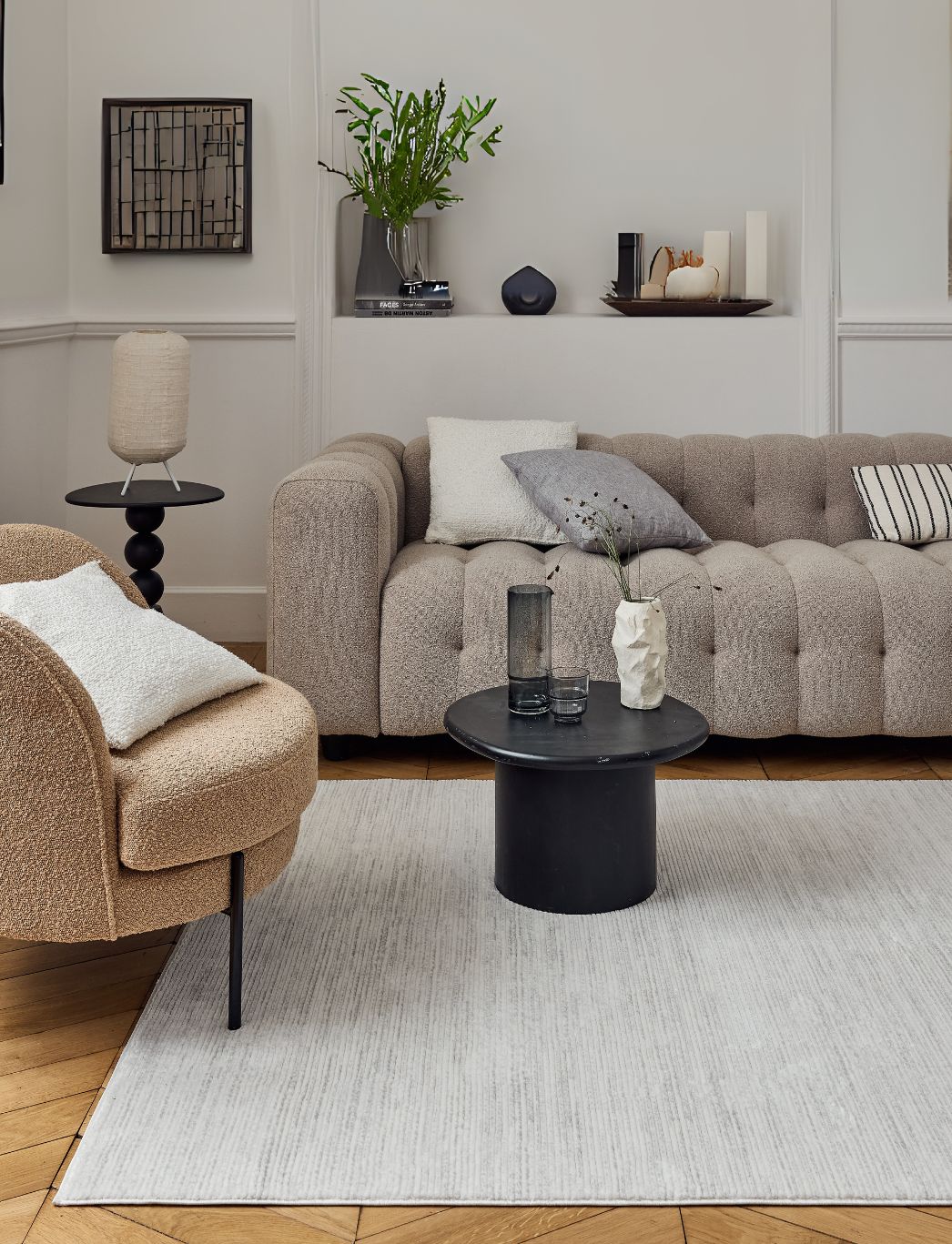
Grey wool rug designs offer a controlled way to introduce depth and softness into interiors that rely on neutral palettes. Grey sits between warm and cool tones, making it one of the most adaptable colours in home styling. When combined with wool, it gains additional richness through texture, creating rugs that feel layered rather than flat.
This balance allows grey wool rugs to function as long-term foundations rather than trend-driven accents.
Why Grey Works So Well with Wool
Grey benefits from wool’s ability to absorb colour with depth. Instead of appearing cold or uniform, grey tones in wool develop subtle variation across the surface, giving the rug visual movement. This quality prevents grey from feeling stark, especially in larger formats.
The natural texture of wool softens grey further, making it suitable for both relaxed and structured interiors.
Grey Wool Rugs in Living Rooms
Living rooms often rely on neutral backdrops to maintain flexibility. A grey wool rug anchors seating areas without dominating the space, allowing furniture, artwork or lighting to take focus.
In family living rooms, grey also disguises everyday wear more effectively than very light shades, supporting both style and practicality.
Modern interiors also benefit from the quiet strength of grey wool rugs. Their restrained colour complements clean lines and minimal furnishings, while the wool texture prevents spaces from feeling overly sharp or cold.
Grey rugs also work well with materials such as concrete, metal and glass, adding warmth without visual clutter.
Grey Wool Rugs in Traditional and Transitional Homes
In more traditional homes, grey wool rugs act as neutral bridges between classic features and contemporary updates. They pair naturally with wooden floors, fireplaces and period details without competing for attention.
This versatility makes grey wool rugs a reliable choice in homes that mix old and new elements.
Light Grey Versus Dark Grey Wool Rugs
Lighter greys help open up smaller rooms and reflect available light, making them suitable for compact spaces or areas with limited daylight. Darker grey wool rugs add weight and grounding, working well in larger rooms or spaces with high ceilings.
Understanding this distinction helps ensure the rug supports the room’s proportions rather than working against them.
Texture and Weave in Grey Wool Rugs
Texture plays a central role in preventing grey rugs from feeling flat. Looped weaves, subtle pile variation and visible fibre structure add interest without relying on pattern.
This makes grey wool rugs particularly effective in interiors that favour calm, layered design over bold statements. Grey acts as a neutral base for both muted and expressive colour schemes. It pairs easily with soft pastels, earthy tones and deeper accents such as navy or forest green.
Repeating one or two accent colours from surrounding furnishings within the rug’s texture helps maintain cohesion across the space.

Grey Wool Rugs in Bedrooms
Bedrooms benefit from the calming qualities of grey. A wool rug in this shade supports a restful atmosphere while adding warmth underfoot. Grey also works well with both light and dark bedding, offering flexibility as décor changes.
The softness of wool enhances comfort without introducing visual distraction.
Practical Considerations for Grey Wool Rugs
Grey wool rugs are forgiving in daily use, particularly in shared spaces. Their colour masks dust and minor marks, reducing the need for constant cleaning. Regular rotation helps maintain even wear, especially in high-traffic areas.
Using a rug pad improves comfort and stability while extending the rug’s lifespan.
In UK interiors, grey wool rugs are widely used due to their adaptability to varied light conditions and housing styles. They perform well on wooden and laminate floors, adding insulation and softness.
Grey wool rugs demonstrate how a restrained colour choice, when paired with the right material, can create interiors that feel calm, considered and enduring.
Green Wool Rugs and Calm, Nature-Led Interior Balance
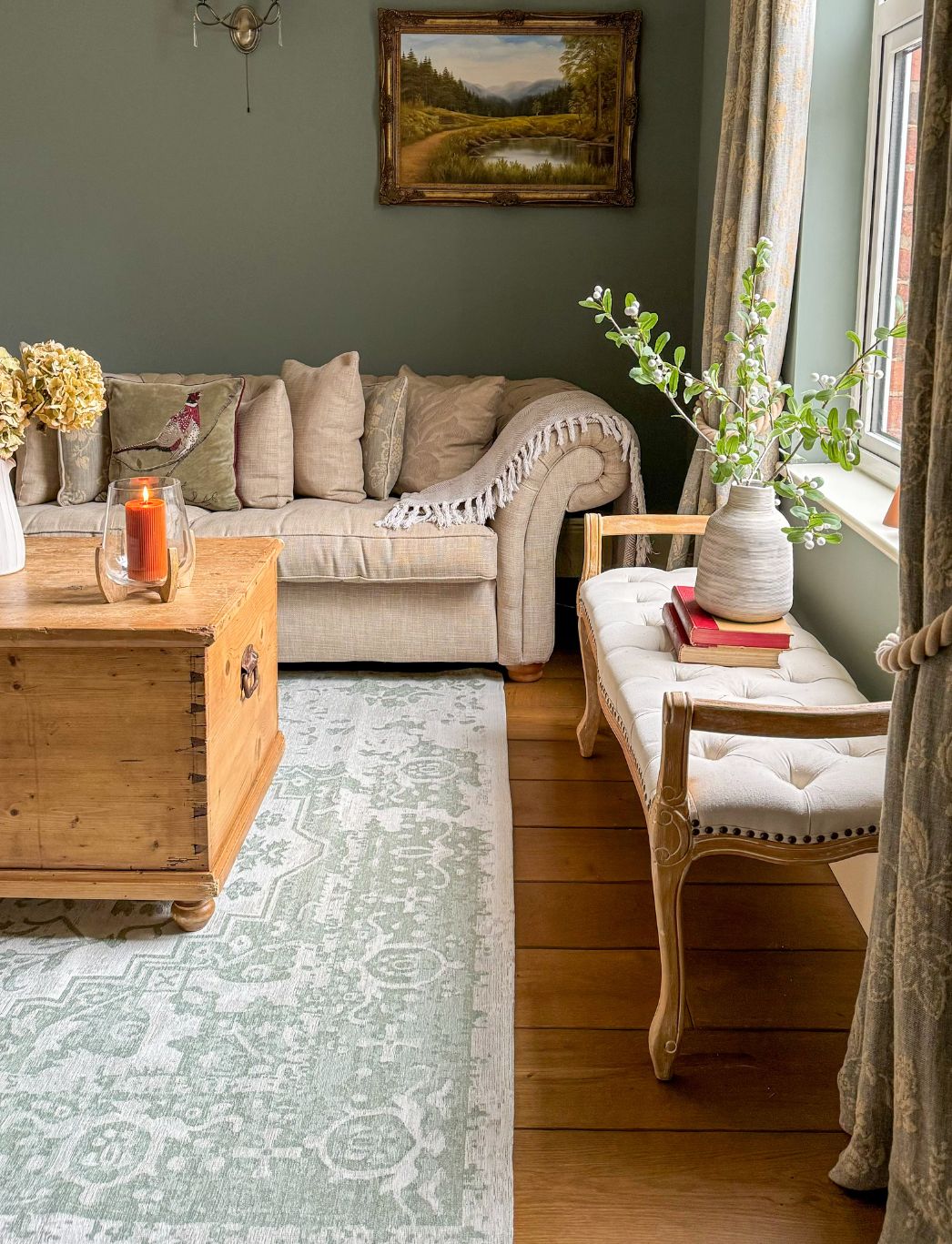
Green wool rugs bring a grounded, restorative quality to interiors, drawing on associations with nature while remaining versatile and easy to live with. Green sits comfortably between neutral and expressive colour families, allowing it to introduce depth without overwhelming a space. When combined with wool, green gains warmth and texture, creating rugs that feel layered, calm and enduring rather than decorative or seasonal.
This makes green wool rugs particularly suitable for homes that prioritise balance, comfort and long-term flexibility.
Why Green Works So Well with Wool
Green benefits from wool’s ability to absorb dye with subtle variation. Instead of appearing flat, green tones in wool develop natural depth across the surface, shifting slightly with light and movement. This variation prevents the colour from feeling heavy or artificial.
The textural richness of wool softens green further, allowing it to feel relaxed and organic rather than bold or dominating.
Green Wool Rugs in Living Rooms
In living rooms, a green wool rug acts as a visual anchor that adds colour without disrupting the room’s overall harmony. It pairs particularly well with neutral sofas, wooden furniture and natural finishes, helping the space feel cohesive and grounded.
Green rugs work effectively in both bright and low-light living rooms, adapting to the environment rather than competing with it.
Using Green Wool Rugs in Bedrooms
Bedrooms benefit from the calming effect of green. A wool rug in this colour supports a restful atmosphere while adding warmth underfoot. Softer green tones create a sense of quiet comfort, while deeper greens add intimacy and depth.
The natural softness of wool enhances this effect, making green wool rugs well suited to sleep-focused spaces.
Shades of Green and Their Interior Impact
Different shades of green influence a room in different ways. Lighter greens feel fresh and open, making them suitable for smaller rooms or spaces with limited daylight. Deeper greens introduce richness and grounding, working well in larger rooms or areas with ample light.
Understanding shade variation helps ensure green wool rugs support the room’s scale and mood rather than overpower it. Modern interiors often rely on clean lines and restrained palettes. Green wool rugs add warmth and texture without breaking this simplicity. Their organic colour softens sharp edges and hard materials such as metal or polished stone.
This balance allows modern spaces to feel welcoming without losing their contemporary character.
Pairing Green Wool Rugs with Other Colours
Green is highly adaptable when paired with other tones. It complements creams, beiges and greys for calm schemes, while also working well with deeper accents such as navy or charcoal.
Repeating green subtly in plants, cushions or artwork helps reinforce cohesion without making the colour feel overused.
Texture plays an important role in how green is perceived. Wool weaves with visible fibre structure or gentle pile variation add depth, preventing the colour from appearing flat. This makes green wool rugs effective even in minimal interiors where pattern is limited.
Texture ensures visual interest without relying on strong contrast.
Green Wool Rugs in Shared and Family Spaces
In shared spaces, green wool rugs perform well due to their forgiving nature. Green disguises everyday wear more effectively than very light shades while remaining softer in appearance than darker colours.
This makes green a practical choice for family living rooms and multi-use areas. Green transitions well across seasons. In spring and summer, it feels fresh and connected to the outdoors. In autumn and winter, deeper green tones feel warm and grounding.
Wool’s insulating properties support this adaptability, ensuring comfort year-round.
In UK interiors, green wool rugs work particularly well with natural light patterns and common flooring types. They add warmth without heaviness and integrate easily into both period and modern homes.
Green wool rugs demonstrate how colour, when paired with the right material, can create interiors that feel calm, connected and quietly confident.
Beige and Cream Wool Rugs and Soft, Timeless Interior Foundations
Beige wool rug and cream wool rug styles create calm, understated foundations that allow interiors to feel open, warm and adaptable. These shades sit at the softer end of the neutral spectrum, reflecting light while adding warmth through texture rather than colour contrast. When paired with wool, beige and cream tones gain depth and variation, preventing them from feeling flat or sterile.
This makes beige and cream wool rugs a reliable choice for homes that value longevity over trend-driven design.
Why Beige and Cream Work So Well with Wool
Beige and cream benefit from wool’s ability to hold subtle tonal shifts across the surface. Wool fibres absorb dye unevenly in a natural way, creating gentle variation that adds richness without visual noise. This quality gives light neutral rugs a layered appearance rather than a uniform finish.
The natural texture of wool also softens these pale shades, ensuring they feel welcoming rather than cold.
Beige and Cream Wool Rugs in Living Rooms
In living rooms, beige wool rugs and cream-toned designs act as quiet anchors that support a wide range of furniture styles. They allow seating, artwork and architectural features to take focus while still grounding the space visually.
These tones are especially effective in rooms with limited natural light, as they help brighten the floor plane without feeling stark.
Using Cream Wool Rugs in Bedrooms
Bedrooms benefit from the lightness of cream wool rugs, which contribute to a relaxed and restful atmosphere. The softness of wool enhances comfort underfoot, particularly in spaces designed for winding down.
Cream works well alongside both light and dark bedding, making it a flexible choice as bedroom décor evolves.
Beige Wool Rugs in Open-Plan Interiors
Open-plan spaces often require a unifying element that does not dominate. Beige wool rugs provide this balance, connecting different functional zones while maintaining visual continuity.
Their neutral tone allows them to sit comfortably across living, dining and transitional areas without interrupting flow.
Managing Practicality with Light-Coloured Wool Rugs
While lighter colours can feel more demanding, wool’s natural dirt resistance helps manage everyday use. Beige and cream shades in wool disguise dust better than expected, especially when paired with subtle texture or pattern.
Regular care and thoughtful placement help maintain appearance without excessive effort.
Pairing Beige and Cream Wool Rugs with Colour
Beige and cream act as versatile backdrops for both muted and expressive colour schemes. They work well with earthy tones, soft pastels and deeper accents, allowing other elements in the room to stand out.
Repeating warm neutrals elsewhere in the space helps reinforce cohesion. Texture is particularly important in light-coloured rugs. Loop piles, gentle pile variation or visible weave structure prevent beige and cream rugs from appearing flat or overly plain.
This focus on texture allows cream wool rugs to feel interesting without relying on strong pattern. In family homes, beige and cream wool rugs can still be practical when chosen carefully. Wool’s resilience helps fibres recover from use, while mid-toned beige options disguise marks better than pure white.
These shades offer a softer alternative to darker neutrals in shared spaces.
Seasonal Versatility of Beige and Cream Wool Rugs
Light neutral rugs adapt well across seasons. In warmer months, they feel airy and fresh, while in cooler periods they reflect light and enhance warmth when paired with wool’s insulating properties.
This adaptability supports long-term use without seasonal swapping. In UK interiors, beige wool rug and cream wool rug designs are popular for their ability to brighten spaces while maintaining warmth. They work well in both period and modern homes, complementing common flooring types and natural light conditions.
Beige and cream wool rugs show how subtle colour choices, when paired with the right fibre, create interiors that feel calm, timeless and thoughtfully composed.

Blue Wool Rugs and Depth-Led Interior Expression
Blue wool rugs introduce depth and calm into interiors without overpowering the space. Blue sits comfortably between neutral and statement colours, making it versatile across a wide range of interior styles. When combined with wool, blue tones gain warmth and softness, preventing the colour from feeling cold or overly formal.
This balance allows blue wool rugs to feel expressive yet grounded, supporting long-term interior cohesion rather than short-lived trends. Wool absorbs blue dye with natural variation, creating subtle shifts in tone across the rug’s surface. This prevents blue from appearing flat or harsh, especially in larger rug sizes. Instead, the colour develops visual movement that responds gently to light throughout the day.
The natural texture of wool further softens blue, adding tactility that enhances comfort as well as appearance.
Blue Wool Rugs in Living Rooms
In living rooms, a blue wool rug provides structure and visual calm, especially in spaces with neutral furniture and light walls. Blue anchors seating areas without dominating them, making it suitable for both relaxed and more refined interiors.
Mid-tone blues work particularly well in shared spaces, offering depth while remaining easy to live with.
Using Blue Wool Rugs in Bedrooms
Bedrooms benefit from blue’s calming associations. A wool rug in this colour supports rest and relaxation while adding warmth underfoot. Softer blues contribute to a tranquil atmosphere, while deeper blues add a sense of intimacy and enclosure.
Wool’s insulating qualities enhance comfort, making blue wool rugs well suited to sleep-focused environments.
Light Blue Versus Deep Blue Wool Rugs
Lighter blues help open up smaller rooms and reflect available light, making them suitable for compact spaces or rooms with limited daylight. Deeper blues introduce richness and grounding, working well in larger rooms or areas with strong natural light.
Understanding this contrast helps ensure blue wool rugs complement room proportions rather than overwhelm them.
Blue Wool Rugs in Modern and Transitional Interiors
In modern interiors, blue wool rugs soften clean lines and minimal palettes without breaking visual restraint. They pair naturally with materials such as metal, glass and polished wood, adding warmth and balance.
In transitional homes, blue bridges traditional and contemporary elements, creating cohesion across mixed styles.
Pairing Blue Wool Rugs with Other Colours
Blue works well alongside a wide range of colours. It complements creams, greys and beiges for calm schemes, while also pairing effectively with warmer accents such as rust, tan or muted gold.
Repeating blue subtly through cushions, artwork or accessories helps reinforce cohesion without making the colour dominant.
Texture plays an important role in how blue is perceived. Wool weaves with visible fibre structure or gentle pile variation add depth, preventing blue from feeling uniform or heavy.
This textural interest allows blue wool rugs to remain visually engaging even in minimalist interiors.
Blue Wool Rugs in Family and Shared Spaces
In shared areas, blue wool rugs perform well due to their forgiving nature. Blue tones disguise everyday wear more effectively than very light colours while remaining softer than dark neutrals.
This makes blue a practical option for living rooms, play areas and multi-use spaces. Blue adapts comfortably across seasons. Lighter shades feel fresh in spring and summer, while deeper blues feel grounding and warm during autumn and winter.
Wool’s year-round performance supports this adaptability without the need for seasonal changes.
Blue Wool Rugs in UK Homes
In UK interiors, blue wool rugs work well with common light conditions and flooring types. They add depth without heaviness and integrate easily into both period and modern homes.
Blue wool rugs demonstrate how colour and material can work together to create interiors that feel calm, confident and thoughtfully layered.
White Wool Rugs and Light-Led Interior Clarity
White wool rugs create a sense of openness and visual clarity, making interiors feel lighter, calmer and more spacious. White sits at the quiet end of the colour spectrum, allowing form, texture and light to take precedence over contrast. When combined with wool, white gains warmth and softness, avoiding the stark or clinical feel often associated with lighter rugs.
This makes white wool rugs suitable for homes that value calm composition and long-term flexibility. Wool changes how white is perceived. Rather than appearing flat or bright, white wool rugs show subtle tonal variation across the surface due to fibre texture and natural dye absorption. This variation adds depth and prevents the rug from feeling visually empty.
The soft structure of wool fibres also tempers white, creating a warmer and more inviting finish.
White Wool Rugs in Living Rooms
In living rooms, a white wool rug acts as a neutral canvas that allows furniture, artwork and architectural details to stand out. It anchors seating arrangements while keeping the overall mood light and open.
White works particularly well in rooms with limited natural light, helping to lift the floor visually without introducing strong colour contrast.

Using White Wool Rugs in Bedrooms
Bedrooms benefit from the calm, reflective quality of white. A wool rug in this shade enhances a restful atmosphere while adding warmth underfoot. The softness of wool ensures comfort without visual distraction.
White wool rugs pair easily with both muted and darker bedroom palettes, offering flexibility as décor changes over time.
White Wool Rugs in Modern Interiors
Modern interiors often rely on clean lines and restrained palettes. White wool rugs reinforce this aesthetic while adding texture that prevents spaces from feeling cold or overly minimal.
They work especially well alongside materials such as pale wood, stone and soft textiles, supporting a cohesive, balanced look.
Practical Considerations for White Wool Rugs
While white rugs can appear demanding, wool’s natural dirt resistance helps manage everyday use. Dust and debris sit on the surface rather than embedding deeply, making routine maintenance effective.
Choosing textured weaves or subtle pile variation further helps disguise minor marks and wear. In shared spaces, white wool rugs work best in areas with moderate traffic. When used thoughtfully, they maintain their appearance while contributing brightness and calm.
Regular care and appropriate placement help preserve their clean look without excessive effort.
Pairing White Wool Rugs with Colour and Texture
White acts as a versatile base for both soft and expressive colour schemes. It pairs naturally with neutral tones, pastels and deeper accents alike.
Repeating texture through cushions, throws or upholstery helps maintain visual interest while keeping the palette restrained. White wool rugs feel fresh and airy in warmer months, while in winter they reflect light and enhance warmth .
when combined with wool’s insulating qualities.
This adaptability supports year-round use without the need for seasonal changes. In UK interiors, white wool rugs are often used to brighten rooms with limited daylight. They suit both contemporary and period homes, pairing well with common flooring types.
White wool rugs show how light colour choices, when paired with the right fibre, create interiors that feel open, calm and quietly confident.

Black Wool Rugs and Grounded, Graphic Interior Contrast
Black wool rugs introduce clarity and definition into interiors, offering contrast without relying on pattern or excess detail. Black is a confident colour choice, but when paired with wool it gains softness and depth, preventing it from feeling harsh or overly dominant. The result is a rug that grounds a space visually while remaining comfortable and inviting.
This balance makes black wool rugs particularly effective in interiors that aim for structure, contrast and long-term cohesion.
Why Black Works Differently When Woven in Wool
Black can easily feel flat or heavy when used on smooth or synthetic surfaces. Wool changes this by adding texture and subtle tonal variation, allowing light to interact gently with the surface. This prevents black from appearing solid or lifeless.
The natural resilience of wool fibres also ensures that black rugs retain their structure over time, even in high-use areas.
Black Wool Rugs in Living Rooms
In living rooms, a black wool rug acts as a visual anchor that grounds seating arrangements and defines space clearly. It works particularly well in rooms with light walls or pale flooring, where contrast helps establish balance.
Black rugs allow surrounding furniture and décor to stand out, creating a composed and intentional layout.
Using Black Wool Rugs in Modern & Transitional Interiors
Modern interiors often rely on contrast to create interest. Black wool rugs support this approach without introducing visual noise. Their restrained colour pairs naturally with clean-lined furniture, metal accents and minimalist styling.
Wool texture ensures the rug feels warm rather than stark, maintaining comfort within contemporary spaces. In traditional or transitional interiors, black wool rugs provide a grounding counterpoint to classic features. They help anchor ornate furniture or architectural details, preventing rooms from feeling overly decorative.
This contrast creates balance, allowing traditional elements to feel refreshed rather than dated.
Managing Light and Space with Black Rugs
Black naturally absorbs light, so scale and placement matter. In larger rooms or spaces with ample daylight, black wool rugs add depth and intimacy. In smaller rooms, using black selectively helps maintain openness while still introducing contrast.
Understanding room proportions ensures black wool rugs enhance rather than overpower a space. Texture is essential when working with black. Looped weaves, subtle pile variation or visible fibre structure add dimension and prevent the rug from appearing flat.
These textural details allow black rugs to remain visually engaging without relying on pattern.
Pairing Black Wool Rugs with Colour
Black acts as a strong base for a wide range of colour palettes. It pairs effectively with whites and creams for high contrast, as well as with muted tones such as grey, beige or olive for a more restrained look.
Introducing lighter accents elsewhere in the room helps maintain balance and prevent heaviness.
Black Wool Rugs in Shared and High-Use Spaces
In shared spaces, black wool rugs perform well due to their ability to disguise wear. Wool’s resilience supports frequent use, while the darker colour masks minor marks between cleaning.
This makes black a practical option for living rooms and multifunctional areas. Black adapts well across seasons. In winter, it adds warmth and grounding, especially when paired with wool’s insulating properties. In summer, it provides contrast that keeps interiors feeling structured rather than washed out.
This versatility supports long-term use without seasonal swapping.
Black Wool Rugs in UK Homes
In UK interiors, black wool rugs are often used to add contrast to light-filled or neutral spaces. They suit both modern and period homes, working well with common flooring types. At The Rugs, black wool rugs are selected to balance strong visual grounding, material quality and everyday durability, ensuring they support real British living.
Black wool rugs demonstrate how depth, texture and contrast can work together to create interiors that feel confident, composed and enduring.
PEOPLE ALSO ASKED
How is a wool rug made?
A wool rug is made by shearing wool from sheep, cleaning and carding the fibres, then spinning them into yarn. The yarn is dyed and woven, tufted or knotted into a rug using specific construction methods. Higher-quality wool rugs rely on dense weaving and consistent fibre tension, which helps the rug hold its shape and wear evenly over time.
What are the disadvantages of a wool rug?
The main disadvantages of a wool rug relate to maintenance and initial cost. Wool requires more considered cleaning than synthetic fibres and can be sensitive to excess moisture or harsh chemicals. Wool rugs are also usually more expensive upfront, although this is often offset by their longer lifespan.
Is 100% wool good for a rug?
Yes, 100% wool is widely regarded as one of the best materials for rugs. Pure wool provides natural durability, effective insulation, and a soft, comfortable feel underfoot. It also ages more gracefully than blended fibres, maintaining structure and appearance when cared for correctly.
How long will wool rugs last?
A well-made wool rug can last several decades, and in some cases much longer. Longevity depends on fibre quality, construction and care. Wool’s natural elasticity allows it to recover from pressure, which significantly extends its usable life compared to many alternatives.
What destroys wool rugs?
Wool rugs are most commonly damaged by excessive moisture, harsh cleaning chemicals and improper vacuuming. Prolonged dampness can weaken fibres, while aggressive detergents strip natural oils. High-powered vacuums with rotating brushes can also cause fibre breakage over time.
Why is wool no longer popular?
Wool has not become unpopular, but it is sometimes overlooked due to lower upfront cost and ease of care associated with synthetic rugs. Faster manufacturing and budget-driven choices have shifted attention away from natural fibres, even though wool remains superior for durability and comfort.
How can you tell if a wool rug is high quality?
A high-quality wool rug shows dense construction, consistent pile height and a substantial feel. The fibres should feel springy rather than brittle, and the backing should be well-finished. Pure wool rugs also tend to have a natural, slightly varied appearance rather than a perfectly uniform surface.
Do dust mites live in wool rugs?
Dust mites do not thrive in wool rugs as easily as in some synthetic materials. Wool naturally regulates moisture, creating an environment that is less favourable for mites. Regular vacuuming further reduces the presence of dust and allergens.
Do wool rugs get smelly?
Wool rugs do not usually become smelly because wool is naturally breathable and moisture regulating. Odours are more likely to develop if a rug remains damp for long periods or is cleaned incorrectly. Proper drying and ventilation prevent this issue.
What are the common mistakes when cleaning wool rugs?
Common mistakes include using too much water, applying harsh detergents and scrubbing aggressively. These actions can damage fibres and disturb colour. Wool rugs respond best to gentle, minimal cleaning and professional care when deeper cleaning is required.
Can I use a Dyson vacuum on a wool rug?
A Dyson vacuum can be used on a wool rug if it is set to low suction and without a rotating brush. High suction or motorised heads may pull at fibres and cause premature wear. Using the correct settings helps maintain the rug’s structure and appearance over time.

Keep reading
All how to guides for home owners →


181 styles, Free UK Delivery
New guides in your inbox, no noise.
New guides, materials and styling tips.