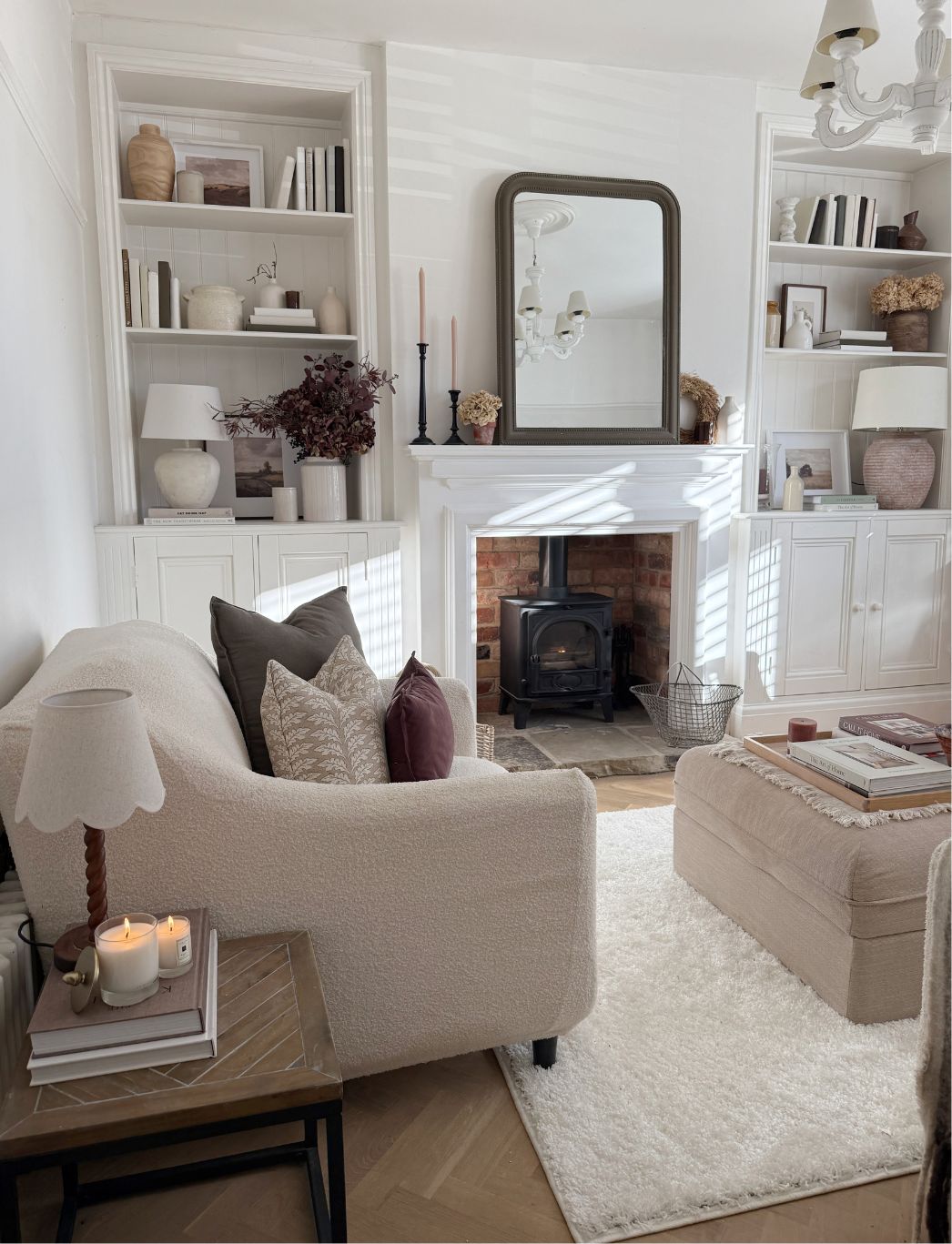
Grey Rugs
 Beige Rugs
 Cream Rugs
 White Rugs
 Black Rugs
 Brown Rugs
 Blue Rugs
 Duck Egg Blue Rugs
 Green Rugs
 Pink Rugs
 Multicolour Rugs
 Yellow Rugs
 Red Rugs
 Terra Rugs
 Orange Rugs


Home Office Rug Guide: What Works, What Lasts and What to Avoid

A home office rug does more than decorate the floor. It shapes the atmosphere of your workspace, improves comfort underfoot and subtly influences productivity. In UK homes where spare rooms double as offices or corners of living rooms become work zones, a rug helps define the area and separate work life from home life without physical barriers.
In open layouts or multifunctional rooms, creating psychological boundaries is essential. A carefully positioned zoned workspace using a rug signals where focus begins. Even in compact flats, placing a rug beneath the desk and chair visually anchors the setup and prevents it from feeling temporary or improvised.
This separation supports mental clarity. When the workspace feels intentional, concentration often improves naturally.

Supporting Comfort During Long Working Hours
Many people spend hours seated at their desks. Hard flooring alone can feel cold and unforgiving, particularly during colder months. A well chosen low profile rug introduces warmth and subtle cushioning without interfering with chair movement.
The surface should remain smooth enough for wheels to glide easily. Choosing a construction that balances softness and practicality ensures daily comfort without compromising functionality.
Protecting Floors from Daily Wear
Rolling chairs, desk movement and repeated foot traffic can gradually damage flooring. A durable protective layer beneath your desk reduces scratches and wear, especially on wooden or laminate floors.
Materials such as tightly woven synthetics or flatweaves tend to perform well in home office settings because they resist friction and maintain structure over time.
Enhancing Light and Mood Through Colour
The tone of your rug can subtly influence how the workspace feels. Neutral shades create a calm and focused environment, while deeper tones introduce grounding depth. If your office receives plenty of natural light, softer colours can enhance brightness without glare.
Selecting a palette that complements your desk and storage units ensures cohesion and avoids visual distraction.
Choosing the Right Size for Balance
Scale matters just as much in a home office as it does in a living space. The rug should extend beyond the desk area so the chair remains fully supported when moved. Adequate chair clearance prevents uneven pressure on edges and maintains a stable working surface.
In smaller offices, a compact yet properly proportioned rug can anchor the setup without overwhelming the room. Larger spaces benefit from broader coverage that unifies desk, chair and surrounding furniture.

Creating a Workspace That Feels Intentional
A thoughtfully selected home office rug elevates more than the aesthetic. It supports comfort, protects flooring and defines boundaries within the home. When material, size and colour are aligned with daily use, the workspace feels balanced and purpose driven.
For modern UK homes seeking both practicality and refined design, exploring versatile office friendly styles at The Rugs can transform your working environment into a more focused and comfortable setting.
Durable Office Chair Rug Mat for Smooth Movement and Floor Protection
An office chair rug mat is a practical solution for protecting flooring from constant wheel friction. Whether placed over hardwood, laminate or existing carpet, it creates a stable barrier between chair casters and the surface beneath. Over time, rolling chairs can leave scratches, dents or flattened patches. A well-chosen mat prevents this wear while maintaining a professional and cohesive workspace appearance.
Why Standard Rugs Often Struggle Under Rolling Chairs
Traditional rugs are not always built to withstand repetitive wheel pressure. Thicker piles can bunch or resist movement, and softer fibres may compress unevenly. A purpose designed rolling chair surface allows smooth mobility without resistance.
The difference lies in construction. Office chair mats typically feature a firm, low profile base that prevents shifting and supports consistent movement across the workspace.

Protecting Hardwood and Carpeted Floors Effectively
Flooring is a long term investment, and daily office use can accelerate damage. On hardwood and laminate, chair wheels may cause micro scratches that dull the finish. On carpet, pressure can create permanent indentations. A quality protective layer distributes weight evenly and reduces concentrated stress in one area.
Choosing the correct backing also matters. Non slip bases help keep the mat stable without leaving marks or residue.
Choosing the Right Size and Placement
An office chair mat should extend beyond the typical range of movement. The mat must accommodate forward and backward rolling as well as slight side adjustments. Adequate movement coverage ensures that wheels never roll directly onto unprotected flooring.
Measuring your desk footprint and chair travel pattern helps determine the appropriate dimensions, preventing undersizing that limits effectiveness.
Blending Practicality with Interior Style
Function does not have to compromise aesthetics. Modern designs offer neutral tones and refined finishes that integrate seamlessly into home offices. Instead of appearing purely utilitarian, today’s office chair rug mat options can complement desks, shelving and surrounding décor.
Selecting a colour that echoes existing elements helps maintain visual harmony while delivering necessary protection. Beyond floor protection, a stable mat improves comfort during extended working hours. Smooth wheel movement reduces strain when adjusting position, supporting better posture and workflow efficiency. Over time, this consistent performance protects both your flooring and your workspace investment.
Rug Protector for Office Chair That Prevents Floor Damage and Wear
A rug protector for office chair use is not simply an accessory. It is a practical safeguard that preserves both your flooring and the rug beneath your desk. Rolling chair wheels apply repeated pressure to the same area each day, gradually flattening fibres and causing subtle scratches on hard surfaces underneath. Over time, this wear becomes visible and difficult to reverse. Introducing a protective layer ensures that movement remains smooth while the surface below stays intact and professionally presented.
Preventing Fibre Damage and Long-Term Indentation
Standard rugs are not always engineered to withstand concentrated wheel pressure. When a chair remains in one position for extended periods, the weight compresses fibres unevenly. Without reinforcement, this leads to visible tracks and texture distortion. A properly fitted pressure distribution layer helps absorb force and reduce long-term compression.
This is particularly important for woven and natural fibre rugs, which may lack the structural resilience of tightly bound synthetics. By adding a protective surface, you preserve the rug’s appearance and extend its lifespan, especially in workspaces used daily.
Protecting Hard Flooring Beneath the Rug
In many UK home offices, rugs are placed over engineered wood, laminate or vinyl flooring. While the rug offers some cushioning, chair movement can still transfer friction to the surface below. A reliable protector acts as an intermediary, reducing micro scratches and preventing dull patches from forming around the desk area.
Choosing a product designed for compatibility with hard floors ensures that no residue or marking occurs. The goal is reinforcement without compromising the integrity of the flooring.
Ensuring Smooth Chair Mobility Throughout the Day
Comfort and workflow efficiency are equally important. A high-quality rug protector supports consistent wheel movement without resistance or snagging. This added movement stability prevents abrupt stops that can strain posture or disrupt concentration.
Selecting a low-profile design keeps the transition between protected and surrounding areas subtle, reducing the risk of uneven rolling. Stability beneath the chair also helps maintain alignment between desk, rug and flooring.
Selecting the Right Size for Full Coverage
Coverage should reflect your typical movement range rather than the desk dimensions alone. Observe how far your chair rolls during daily tasks, including slight sideways adjustments. A correctly measured coverage zone ensures wheels remain on the protective surface at all times, preventing partial exposure that could undermine its effectiveness.
Larger desks or L shaped workstations may require extended protection to accommodate broader mobility patterns. Modern protectors are designed to remain discreet. Neutral or transparent finishes allow the rug’s design to remain visible while quietly enhancing durability. A thoughtfully integrated rug protector for office chair setups ensures your workspace feels organised and polished rather than overly utilitarian.
Office Rug for Rolling Chair Designed for Smooth Movement and Stability
An office rug for rolling chair use must balance comfort with performance. Unlike decorative rugs placed in low traffic areas, a workspace rug faces constant motion from chair wheels shifting throughout the day. Without the right construction, fibres can flatten, surfaces can bunch and movement can become uneven. Selecting a rug specifically suited to rolling chairs ensures both your flooring and your workflow remain uninterrupted.

Why Surface Construction Matters More Than Softness
In an office environment, pile height plays a crucial role. Thick, plush textures may feel inviting underfoot but often create resistance when chair wheels move across them. A carefully chosen low pile surface allows smooth gliding while maintaining structural integrity.
Flatwoven and tightly bound constructions tend to perform best because they resist compression and maintain an even texture over time. This not only protects the rug’s appearance but also prevents the chair from leaving permanent tracks.
Protecting Flooring Beneath the Workspace
A quality office rug should also act as a protective buffer between chair wheels and the floor. Hardwood, laminate and vinyl surfaces can gradually develop scratches where chairs roll repeatedly. A durable backing and firm weave create a reliable floor protection layer that absorbs daily friction.
Ensuring the rug remains stable is equally important. Non slip bases or appropriate underlays help keep the rug in position, preventing shifting that can disrupt movement and alignment.
Considering Size and Coverage for Full Mobility
The rug must extend beyond the primary desk area to accommodate typical rolling patterns. Think beyond the footprint of the desk and consider how far you move when reaching shelves, drawers or side tables. Adequate mobility coverage ensures the chair remains on the rug during natural movement, reducing wear along edges.
In larger offices, broader dimensions unify the workspace and anchor surrounding furniture such as filing cabinets or bookcases.
Blending Function with Professional Aesthetic
Practicality does not mean sacrificing design. Modern office rugs come in refined neutrals, subtle patterns and contemporary finishes that enhance the overall look of a workspace. A thoughtfully selected office rug for rolling chair arrangements should complement your desk, storage units and wall colour, reinforcing a cohesive and professional atmosphere.
When material, size and stability are carefully considered, the result is a workspace that supports productivity while preserving both comfort and flooring integrity
Small Office Rug for Compact and Focused Workspaces
A small office rug can transform a compact workspace without overwhelming it. In many UK homes, offices are carved out of spare bedrooms, loft conversions or even quiet corners of living rooms. In these tighter environments, scale becomes critical. A well proportioned rug anchors the desk area, softens hard flooring and introduces warmth while maintaining a clean and uncluttered layout.
Creating Definition Without Crowding the Room
In smaller offices, every centimetre matters. A carefully measured compact footprint ensures the rug frames the desk and chair without pushing against walls or storage units. When positioned correctly, it visually grounds the workspace and prevents furniture from feeling scattered across bare flooring.
Choosing a design that sits comfortably within the room’s boundaries keeps the space feeling open rather than compressed.
Choosing the Right Shape for Tight Layouts
Shape plays an important role in compact rooms. Rectangular rugs often align naturally with desks placed against walls, while softer curves can ease sharper architectural angles. A thoughtfully selected balanced shape ensures the rug enhances flow rather than interrupting it.
For narrow offices, placing the rug parallel to the longest wall can elongate the perception of space and improve visual proportion.
Selecting Materials That Support Daily Use
Even in small offices, chair movement remains constant. A low profile construction is essential to allow wheels to glide smoothly and avoid resistance. Durable fibres that resist compression provide long-term resilience, particularly when the same area experiences repeated pressure.
Opting for a tightly woven design ensures the rug maintains structure while delivering subtle cushioning beneath the desk.
Using Colour to Influence Atmosphere
In compact spaces, colour has a noticeable impact. Lighter tones can enhance brightness and create a sense of openness, while deeper shades introduce grounding contrast. Choosing a light-enhancing tone may be especially beneficial in offices with limited natural light.
Subtle patterns can add interest without overwhelming the room, maintaining a professional and focused aesthetic. A thoughtfully chosen small office rug does more than protect flooring. It defines boundaries, supports comfort and reinforces the identity of the workspace within the home. When proportion, material and tone are carefully aligned, even a modestly sized rug can make the office feel purposeful and well considered.
Large Office Rug for Expansive and Executive Workspaces
A large office rug introduces structure and cohesion to spacious work environments where furniture might otherwise feel dispersed. In bigger home offices or converted studio spaces, wide flooring expanses can make the room appear cold or incomplete. A generously sized rug anchors the desk, chair and surrounding storage into one unified layout, creating a grounded and professional atmosphere.

Establishing Proportion in Open Office Layouts
In larger rooms, scale is more noticeable. A rug that is too small can make even substantial furniture appear disconnected. Choosing a design with generous floor coverage ensures the desk area feels balanced rather than floating in empty space.
Extending the rug beyond the immediate desk zone can also incorporate bookshelves, side cabinets or seating areas, strengthening the visual structure of the workspace.
Supporting Movement Across a Wider Surface
With more floor space comes increased movement. Whether you shift between desks, access storage units or reposition your chair frequently, the rug must accommodate broader motion patterns. A durable, low profile construction provides consistent rolling stability across the entire surface.
Ensuring even thickness prevents abrupt transitions and supports smoother mobility throughout the day.
Enhancing Acoustics and Comfort in Larger Rooms
Expansive offices often have harder surfaces that amplify sound. A large rug softens acoustics, reducing echo and creating a calmer environment conducive to concentration. The added surface also introduces warmth underfoot, which can be particularly noticeable during colder months.
Selecting a material that balances resilience with subtle cushioning enhances both comfort and long term durability.
Integrating Colour and Texture Thoughtfully
Because a large rug occupies significant visual space, colour selection carries greater impact. Neutral shades maintain professionalism and prevent visual overload, while darker tones can introduce authority and depth. Choosing a cohesive colour palette that complements desks and cabinetry ensures the room feels intentional rather than overpowering.
Texture should remain refined, adding dimension without competing with other design elements. A carefully chosen large office rug does more than cover the floor. It defines the working zone, enhances comfort and brings compositional balance to expansive interiors. When size, material and tone are aligned with the room’s function, the result is a workspace that feels structured, confident and ready for focused productivity.
Oval Office Rug for Softer Lines and Refined Workspaces
An oval office rug introduces a subtle shift in geometry that can completely transform a workspace. In offices dominated by rectangular desks, square shelving and straight architectural lines, an oval shape softens the composition and adds visual flow. This curved silhouette feels intentional rather than decorative, helping the room appear more curated and thoughtfully arranged.
Breaking Up Straight Edges with Curved Design
Workspaces often feature sharp angles and rigid layouts. An oval rug disrupts this repetition and creates a more relaxed visual rhythm. The introduction of curved geometry beneath the desk can soften the overall mood of the room without compromising professionalism.
This approach works particularly well in compact offices where strong lines might otherwise make the space feel confined.
Positioning the Rug for Visual Balance
Placement is crucial when working with an oval format. The rug should sit centrally beneath the desk, with enough extension to support the chair when pulled back. Ensuring proper chair alignment area prevents uneven wear and keeps movement smooth.
In rooms with central lighting fixtures or symmetrical layouts, aligning the rug with these features enhances cohesion and structural clarity.
Choosing Materials That Support Daily Movement
Although the shape may be softer, performance remains essential. A low to medium profile construction ensures chair wheels glide without resistance. Durable fibres resist compression and maintain their structure even with regular use.
Selecting a stable backing prevents shifting, which is especially important with curved edges that might otherwise move more easily than straight cut rugs.

Colour and Texture Considerations
Because an oval rug naturally draws attention, colour and surface finish should be selected with care. Neutral shades maintain a professional tone, while deeper hues introduce grounding contrast. A subtle refined texture adds depth without overwhelming the room’s design.
This balance ensures the rug enhances the workspace rather than dominating it. An oval office rug offers more than aesthetic variation. It defines the working zone, softens acoustics and introduces an element of design sophistication to the room. When proportion, material and tone are thoughtfully selected, the result is a workspace that feels balanced, modern and quietly distinctive.
Persian Rug Office Styling for Character and Professional Elegance
A persian rug office setting introduces depth, heritage and refined detail into a workspace that might otherwise feel purely functional. While many offices lean towards minimal and contemporary aesthetics, incorporating a Persian inspired design can elevate the room with warmth and personality. The result is a workspace that feels curated rather than corporate, yet still professional and composed.
Bringing Heritage Patterns into Modern Workspaces
Persian designs are recognised for their intricate motifs and layered compositions. Introducing this level of detail beneath a desk creates visual interest that anchors the room. A carefully chosen ornamental design can transform a simple desk and shelving arrangement into a more expressive and balanced environment.
When paired with clean lined furniture, the contrast between classic pattern and modern structure feels intentional rather than traditional.
Balancing Colour Depth with Professional Tone
Persian rugs often feature rich hues such as deep reds, muted blues and warm neutrals. In an office setting, these tones can introduce grounding weight without overwhelming the space. Selecting a balanced colour palette that complements existing cabinetry and wall tones ensures the design enhances rather than dominates.
For smaller offices, opting for softer variations of traditional colours maintains sophistication without making the room feel heavy. Despite their decorative appearance, many modern Persian style rugs are crafted using durable synthetic fibres suitable for active environments. A low to medium pile height supports smooth chair movement while preserving the intricate pattern. Choosing a stable construction ensures the rug maintains both structure and visual clarity over time.
Creating a Focal Point Beneath the Desk
Positioning is key to making the most of a Persian rug in an office. The rug should extend sufficiently beyond the desk to support chair movement and maintain proportion. Adequate movement allowance prevents the chair from rolling onto bare flooring, preserving both balance and comfort.
This thoughtful placement allows the rug to act as a focal point without feeling decorative for its own sake. A well selected persian rug office arrangement softens acoustics, introduces warmth and adds a sense of permanence to the room. It reflects individuality while maintaining professionalism, making it suitable for both home offices and client facing spaces.
Cute Office Rugs for Creative and Personalised Workspaces
Cute office rugs bring personality into a workspace without compromising professionalism. In home offices especially, the working environment often reflects individual taste more than corporate expectations. Introducing playful tones, soft textures or subtle patterns can make the space feel welcoming and energising rather than purely task focused.

Adding Character Without Losing Focus
A cute design does not mean distracting. The key is balance. Gentle motifs, pastel accents or soft geometric patterns can introduce charm while maintaining a structured layout. Selecting a subtle playful detail keeps the workspace feeling light yet organised.
In smaller offices, this approach can prevent the room from appearing overly serious or sterile.
Colour Choices That Lift the Mood
Colour plays a powerful role in shaping productivity and atmosphere. Soft pinks, warm creams or muted greens can brighten the workspace and support a positive mindset. Choosing a mood enhancing tone ensures the rug contributes to creativity rather than visual clutter.
For offices with neutral furniture, a slightly playful rug can act as a focal point while maintaining cohesion.
Practical Features That Support Daily Use
Even the most decorative rug must perform well under regular movement. A low profile construction allows office chairs to roll smoothly without resistance. Durable fibres help preserve the design despite repeated pressure.
Opting for easy clean materials is especially important in home offices where drinks and snacks are often nearby.
Choosing the Right Size for a Balanced Layout
Proportion remains essential regardless of style. The rug should extend beyond the desk area to support chair movement fully. Adequate chair movement space ensures comfort and prevents edges from curling or compressing unevenly.
In compact offices, a well sized rug frames the desk neatly without overwhelming the room. When chosen thoughtfully, cute office rugs transform a functional desk area into a space that feels motivating and personal. They soften acoustics, add warmth and reflect individuality while maintaining professional standards.
Low Pile Office Rug for Smooth Chair Movement and Lasting Structure
A low pile office rug is often the most practical choice for workspaces where rolling chairs are used daily. Unlike thicker, plush textures that may resist movement, a flatter surface allows wheels to glide consistently without creating drag. This makes it especially suitable for home offices where comfort, efficiency and floor protection must work together.
Pile height determines how easily a chair can move across the surface. With a shorter fibre structure, resistance is reduced and the rug maintains its shape over time. A carefully constructed short fibre surface prevents compression lines and keeps the texture looking even despite repeated pressure.
In professional or home settings where desks are used for extended hours, this consistency supports smoother workflow and improved comfort.

Protecting Flooring Without Bulk
A low pile rug creates a stable layer between the chair wheels and the floor beneath. Hardwood and laminate floors are particularly vulnerable to scratches caused by friction. Choosing a design with durable backing forms a reliable protective foundation that absorbs daily movement without adding unnecessary thickness.
Because the profile remains slim, transitions between rug and surrounding floor are subtle and less likely to disrupt mobility.
Maintaining a Clean and Refined Aesthetic
Low pile constructions naturally appear neater and more structured. They trap less debris compared to deeper textures, making maintenance simpler. Regular vacuuming keeps the surface clear without fibres holding onto dust or crumbs.
In minimalist offices, a low pile rug reinforces clean lines and professional balance while quietly supporting practicality.
Selecting the Right Size and Placement
Coverage should accommodate the full range of chair movement rather than just the desk footprint. A well measured movement allowance area ensures wheels remain on the rug at all times, preventing uneven wear along the edges.
Positioning the rug centrally beneath the desk and chair enhances symmetry and maintains visual order within the workspace. A thoughtfully chosen low pile office rug offers stability, durability and understated style. It supports smooth mobility, protects flooring and maintains a structured appearance suitable for both contemporary and traditional interiors.

Black Office Rugs for Bold and Professional Workspaces
Black office rugs introduce depth and authority into a workspace without feeling overpowering. In home offices where neutral desks and light walls dominate, a black rug anchors the entire layout and adds visual weight beneath the desk. The result is a space that feels grounded, structured and quietly confident.
A darker base can sharpen the overall composition of a room. When paired with pale flooring or light cabinetry, black establishes strong visual contrast that defines the working zone clearly. This contrast reduces visual clutter and can make the workspace feel more intentional and composed.
In open plan areas, a black rug also distinguishes the office corner from surrounding living spaces.
Practical Benefits in Everyday Use
Black tones are particularly forgiving in active environments. Minor marks and dust are less visible compared to lighter shades, which makes maintenance simpler. A well constructed rug with durable fibres forms a reliable stain resistant surface suited to daily movement and occasional spills.
Selecting a low to medium pile ensures rolling chairs glide smoothly without flattening the texture.
Because black absorbs light, incorporating subtle surface detail prevents the rug from appearing overly solid. A lightly woven or gently patterned finish introduces dimension while maintaining professionalism. This refinement keeps the workspace feeling sophisticated rather than stark.

Proportion and Placement for Maximum Impact
The rug should extend beyond the desk and chair to create stability and cohesion. Ensuring adequate movement coverage allows wheels to remain supported and protects surrounding flooring from wear.
In larger offices, a generously sized black rug can unify additional elements such as shelving or side seating. When chosen thoughtfully, black office rugs provide both aesthetic strength and practical durability. They soften acoustics, protect floors and introduce a sense of authority that complements modern interiors.
Blue Office Rug for Calm and Focused Workspaces
A blue office rug introduces a sense of calm that naturally supports concentration. Blue is often associated with clarity and steadiness, making it a thoughtful choice for environments where focus matters. In home offices across the UK, incorporating blue beneath the desk can soften hard flooring while subtly influencing the overall mood of the room.
Supporting Productivity Through Colour Psychology
Colour affects perception more than many realise. Blue tones are widely linked with mental clarity, helping create an atmosphere that feels balanced rather than overstimulating. Lighter shades can brighten compact offices, while deeper navy variations introduce grounded sophistication suitable for more formal setups.
Selecting a tone that complements walls and cabinetry ensures cohesion without visual distraction.
Choosing the Right Shade for Your Layout
Not all blues perform the same way in a workspace. Pale blues reflect light and can expand the perception of space in smaller rooms. Mid tone blues strike a versatile balance between warmth and coolness. Darker options add depth but should be paired carefully with adequate lighting to avoid heaviness.
Considering how natural and artificial light interact with the rug helps maintain a harmonious colour balance throughout the day.
Ensuring Smooth Chair Movement and Durability
Beyond appearance, functionality remains essential. A low to medium pile construction supports consistent mobility and prevents wheel resistance. Durable fibres maintain structure even with regular pressure from desk chairs.
Selecting a stable backing creates a reliable protective base that safeguards underlying flooring from friction.
Integrating Blue into Different Interior Styles
Blue adapts easily to both contemporary and classic office designs. In minimalist spaces, it introduces subtle depth without clutter. In more decorative environments, patterned blue rugs can add character while remaining professional.
When paired with wooden desks, metallic accents or neutral shelving, a blue rug strengthens cohesion and elevates the overall aesthetic. A thoughtfully selected blue office rug enhances comfort, softens acoustics and defines the workspace within the home. It delivers a composed atmosphere that supports productivity while maintaining visual refinement.

Dark Office Rug for a Grounded and Sophisticated Workspace
A dark office rug introduces depth and structure into a workspace that might otherwise feel light or undefined. In home offices with pale flooring or bright walls, darker tones anchor the desk area and create a stronger visual foundation. The result is a room that feels deliberate and composed rather than temporary or improvised.
Using Depth to Define the Work Zone
Dark shades naturally create separation within a room. When placed beneath a desk, a rug in charcoal, deep brown or navy establishes a clear visual anchor that signals where the workspace begins. This is particularly effective in open plan homes where the office shares space with living or dining areas.
The contrast between darker flooring elements and lighter surroundings strengthens spatial clarity without adding physical partitions.
Balancing Light and Texture Carefully
Because darker rugs absorb more light, texture becomes essential. A subtle woven or lightly patterned finish prevents the surface from appearing flat. Incorporating a refined textured weave introduces dimension while maintaining a professional tone.
Ensuring adequate lighting in the room also helps preserve balance, especially in smaller offices where darker elements could otherwise feel heavy. Workspaces demand resilience. A dark rug should combine colour depth with durable construction to withstand rolling chairs and repeated foot traffic. Low to medium pile heights maintain smooth mobility and reduce fibre compression.
Choosing a stable backing adds a reliable protective surface beneath the desk area, helping to shield hardwood or laminate flooring from friction.

Integrating with Different Interior Styles
Dark tones adapt well to a range of aesthetics. In minimalist offices, they enhance clean lines and create contrast against light furniture. In more traditional settings, they complement wooden desks and rich cabinetry.
A carefully selected dark office rug can unify shelving, seating and accessories into a cohesive design without overpowering the room. When proportion, material and lighting are aligned, a dark rug adds authority and stability to the workspace. It softens acoustics, grounds furniture and supports a calm, concentrated environment.
Green Office Rug for a Balanced and Restorative Workspace
A green office rug brings a natural and restorative quality into the workspace. Inspired by outdoor tones, green introduces balance between productivity and comfort. In UK home offices where work and personal life often blend, this colour can subtly soften the environment while maintaining professionalism.
Green is frequently associated with calm concentration and renewal. Incorporating a rug in sage, olive or deeper forest hues can support a more relaxed yet attentive mindset. This sense of visual balance helps prevent the workspace from feeling overly clinical or stark.
Lighter greens work well in compact rooms, reflecting light gently, while deeper tones anchor larger offices with confident presence.

Pairing Green with Furniture and Finishes
Green adapts beautifully to wooden desks, black metal frames and neutral upholstery. In contemporary offices, muted shades create a refined contrast without overpowering the room. In more decorative spaces, patterned greens can add character while remaining grounded.
Selecting a tone that harmonises with shelving, storage and wall colours ensures a cohesive colour integration throughout the workspace.
Ensuring Practical Performance Under the Desk
Beyond aesthetics, durability remains essential. A low to medium pile construction allows rolling chairs to glide smoothly without resistance. Choosing resilient fibres helps maintain the rug’s structure even with repeated movement.
A stable backing provides a reliable floor protection layer, reducing friction on hardwood or laminate surfaces beneath the desk.
Considering Size and Placement Thoughtfully
A green rug should extend beyond the primary desk area to accommodate natural chair movement. Adequate movement coverage ensures wheels remain supported and edges avoid premature wear.
In open plan homes, a well sized rug clearly defines the office zone while complementing adjacent living spaces. When proportion and material are carefully selected, a green office rug enhances comfort, softens acoustics and introduces subtle vitality into the room. It delivers a sense of calm structure that supports productivity without feeling rigid.
Grey Office Rug for a Clean and Contemporary Workspace
A grey office rug offers a refined foundation that works effortlessly across modern and traditional interiors. Grey sits comfortably between light and dark, providing balance without drawing unnecessary attention. In UK home offices where flexibility matters, this neutral tone allows desks, shelving and décor to stand out while maintaining a cohesive and professional atmosphere.

Establishing Neutral Balance Without Visual Noise
Grey is valued for its ability to calm a room without making it feel stark. A well chosen rug in mid or soft grey introduces tonal stability, grounding the desk area without overpowering surrounding elements.
In compact offices, lighter greys can brighten the space subtly. In larger rooms, deeper greys add structure while maintaining a contemporary feel.
Coordinating with Furniture and Materials
One of the strengths of grey is its versatility. It pairs seamlessly with wooden desks, black metal frames and white cabinetry. Whether the office leans minimalist or more layered, grey adapts without clashing.
Selecting a shade that complements flooring and wall colour ensures smooth design cohesion throughout the workspace.
Supporting Daily Chair Movement and Durability
Functionality remains essential in any office rug. A low to medium pile construction supports rolling chairs while maintaining structural integrity. Durable fibres resist flattening and preserve texture despite repeated use.
A stable backing forms a reliable protective base, helping to shield underlying floors from friction and scratches.
Because grey is understated, texture becomes important. A lightly woven or gently patterned finish prevents the rug from appearing flat. Incorporating a refined surface detail enhances dimension while preserving professionalism and clarity.

Creating a Professional and Adaptable Office Setting
A thoughtfully selected grey office rug defines the workspace, softens acoustics and maintains a calm, focused atmosphere. It delivers versatility that evolves with changing décor while providing dependable everyday performance.
For UK home offices seeking balance, durability and contemporary style, exploring grey designs at The Rugs offers a practical solution that supports both productivity and aesthetic refinement.
PEOPLE ALSO ASKED
How to choose a rug for home office?
Choosing the right rug for a home office starts with function before style. Consider how often the chair will roll, how much space you have and what flooring sits underneath. A home office rug should be low to medium pile to allow smooth movement, durable enough to resist compression and proportioned so the chair remains fully supported when pulled back. Colour and texture should complement your desk and storage while maintaining a calm, focused atmosphere.
Will a rug protect carpet from office chair?
A rug can help reduce wear on carpet, but it must be suitable for rolling pressure. A tightly woven, low profile design acts as a protective layer, distributing weight more evenly than carpet alone. However, if the rug is too soft or thick, it may still compress over time. For maximum protection, pair the rug with a firm underlay or dedicated chair support surface.
How to place a rug in an office?
Position the rug centrally beneath the desk so it extends beyond the chair’s natural movement range. The key is ensuring adequate chair clearance area so wheels remain on the rug when you lean back or shift sideways. In open plan layouts, aligning the rug with the desk rather than the walls creates a more intentional and structured workspace.
What type of rug is best for an office?
The best office rug combines durability with smooth mobility. Low pile or flatweave constructions work particularly well because they reduce resistance under rolling chairs. Materials with built in stain resistance are also beneficial in home offices where drinks and daily use are common.
What size rug for home office?
The ideal size depends on desk dimensions and movement range. The rug should extend at least 60 cm beyond the back of the desk to allow comfortable rolling. Proper movement coverage ensures the chair does not slip off the rug edges, which can cause uneven wear and disrupt workflow.
What type of rug is good for an office chair?
A rug suitable for an office chair should have a firm, stable surface. Low pile synthetic fibres tend to perform best because they maintain structure and resist flattening. A durable rolling friendly surface allows consistent mobility without damaging the rug fibres.
Should you have a rug in your office?
Yes, a rug can define the workspace, improve acoustics and protect flooring. In home offices especially, a well chosen rug creates a psychological boundary between work and relaxation areas. Selecting a design that balances aesthetics with durability ensures the rug supports both comfort and productivity.
Which carpet is best for office?
For office settings, low pile carpet with tight fibre construction performs best. It resists compression and supports smoother chair movement compared to plush options. Commercial grade carpet often features enhanced wear resistance, making it suitable for frequent daily use.
What flooring is best for offices?
Hard surfaces such as engineered wood, laminate or high quality vinyl are commonly preferred because they are easy to maintain and durable. These materials pair well with area rugs, providing both flexibility and protection. Combining hard flooring with a rug allows for adaptable styling and targeted floor protection.
What is office chair syndrome?
Office chair syndrome refers to a combination of posture related discomfort caused by prolonged sitting. Symptoms often include back pain, neck strain and hip tightness. Improving ergonomic support, adjusting chair height and incorporating movement breaks can help reduce these issues.
What can I use instead of an office chair mat?
Instead of a traditional plastic mat, you can use a low pile rug designed for rolling chairs or a purpose built rug protector. A durable office rug solution offers both aesthetic appeal and functional protection, blending more naturally into home interiors.
Why is carpet not suitable for home offices?
Wall to wall carpet can flatten unevenly under rolling chairs and trap dust more easily than hard flooring. Over time, repeated movement may create visible tracks. In many cases, combining hard flooring with a removable rug provides greater flexibility and easier maintenance.
What is the most durable office flooring?
Commercial grade vinyl, high density laminate and engineered wood are considered among the most durable options. These materials resist scratches and daily wear. Adding a rug in high traffic areas introduces an additional floor protection layer that extends longevity.
What is the most durable material for office chairs?
Office chairs with reinforced nylon bases and high quality polyurethane wheels tend to perform best under repeated use. Chairs designed with durable casters reduce friction on flooring and provide consistent movement across different surfaces.
what size rug for office desk
The rug should extend beyond both the width and depth of the desk to allow the chair to move freely. Ensuring sufficient desk coverage area prevents wheels from rolling off the edge and protects surrounding flooring. Measuring the full movement range before purchasing helps achieve a balanced and practical fit.
Keep reading
All home decor →
328 styles, Free UK Delivery
New guides in your inbox, no noise.
New guides, materials and styling tips.