Grey Rugs
 Beige Rugs
 Cream Rugs
 White Rugs
 Black Rugs
 Brown Rugs
 Blue Rugs
 Duck Egg Blue Rugs
 Green Rugs
 Pink Rugs
 Multicolour Rugs
 Yellow Rugs
 Red Rugs
 Terra Rugs
 Orange Rugs


Victorian Rugs: A Complete Guide to Timeless Style, Patterns and Modern Living

Victorian rugs remain one of the most recognisable expressions of traditional interior design, known for their intricate patterns and layered compositions. Originating from an era where decoration was a central part of home design, these rugs continue to shape how spaces are styled today, offering a sense of timeless elegance.
In modern interiors, their role has evolved. Rather than dominating a room, they are often used to introduce depth, contrast, and character, making them relevant across both classic and contemporary settings.

Victorian Style Rug Foundations and Design Language
At the core of Victorian style rug design is a focus on detail and structure. Patterns are rarely random. They are carefully arranged to create symmetry, balance, and a sense of visual completeness.
These rugs typically feature layered motifs, decorative borders, and central compositions that work together to form a cohesive design. This approach gives them a strong ornamental identity, setting them apart from more minimal rug styles.
Victorian Rug Styles and Their Variations
The category of Victorian rug styles includes a range of distinct visual directions, each offering a different interpretation of the same design principles. Some lean towards floral and botanical themes, while others focus on structured medallion layouts or heavily bordered compositions.
This variation allows homeowners to select a style that aligns with their space, whether they prefer softer detailing or more defined patterns. The result is a more tailored aesthetic that still retains a consistent Victorian influence.
Victorian Style Rugs UK in Contemporary Homes
Across the UK, Victorian style rugs UK continue to align naturally with both period properties and modern interiors. Their compatibility with architectural features such as fireplaces, cornicing, and bay windows makes them a natural fit in many British homes.
At the same time, they are increasingly used in contemporary spaces to introduce contrast. This creates a more integrated look, where traditional and modern elements work together rather than compete.

Victorian Vintage Style Rug and Aged Character
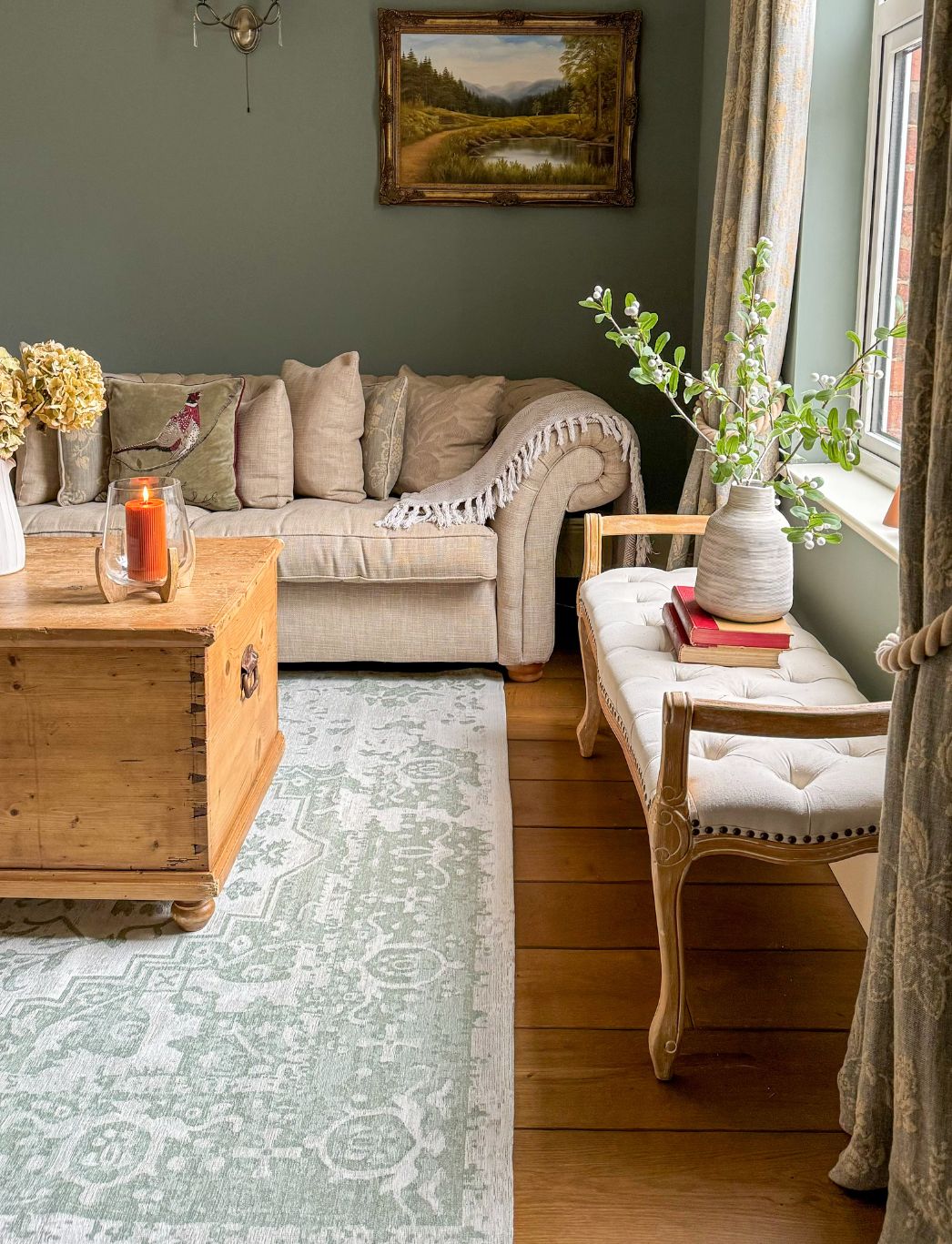
A Victorian vintage style rug offers a softer interpretation of traditional design by introducing a slightly faded and time-worn appearance. This creates a more relaxed feel, allowing the rug to blend into the space rather than stand out sharply.
This approach is particularly effective in interiors that aim for a lived-in, layered look. It adds character while maintaining a sense of subtle depth, making it easier to integrate into modern homes.
Victorian Rugs for Living Room Layouts
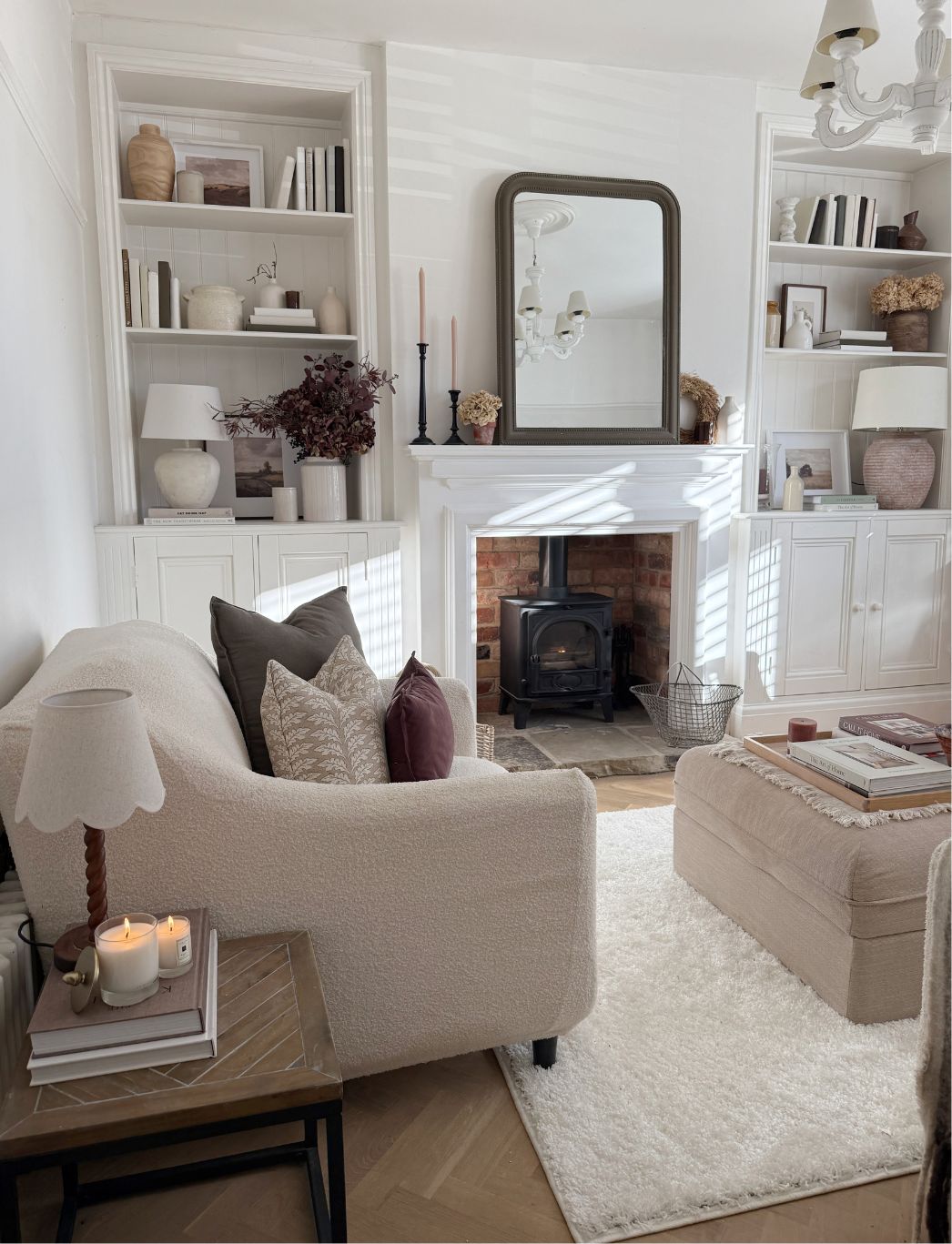
When used in central spaces, Victorian rugs for living room layouts play a key role in defining the overall structure. They anchor seating areas, guide furniture placement, and introduce a focal point that shapes how the room is experienced.
Their detailed patterns naturally draw attention, which helps create a more organised and intentional room composition, especially in larger or open-plan living areas.
Modern Victorian Rug and Contemporary Adaptation
The Modern Victorian rug represents a refined version of traditional design, adapted for current interiors. Instead of heavy detailing, these rugs often simplify patterns and soften colour contrasts to suit contemporary tastes.
This makes them easier to style alongside modern furniture and minimal décor. The result is a more balanced contrast between heritage design and present-day simplicity.

Colour Direction Across Victorian Rug Designs
Colour plays a defining role in how Victorian rugs are perceived within a space. Traditional palettes often include deep reds, blues, and gold tones, while modern adaptations introduce softer and more muted variations.
This range allows for flexibility in styling. Whether the goal is to create a bold statement or a more understated look, the colour direction helps establish a strong visual mood that supports the overall design.
Choosing the Right Victorian Rug for Your Space
Selecting the right Victorian rug depends on scale, pattern intensity, and how the space is used. Larger rooms can support more intricate designs, while smaller spaces benefit from simplified versions that maintain detail without overwhelming the layout.
The key is to achieve balance, ensuring the rug enhances the space while maintaining a clear and proportional layout.
Victorian rugs offer a unique combination of history, craftsmanship, and adaptability. Their ability to evolve while maintaining their core design principles makes them a lasting feature in interior design.
For homeowners looking to introduce depth, elegance, and character, they provide a refined foundation that works across both traditional and modern spaces.

Victorian Style Rug and Its Design Identity
A victorian style rug is defined by its intricate detailing, rich colour palettes, and a strong sense of ornamental design. Inspired by the Victorian era, these rugs reflect a time when interiors were layered, expressive, and built around craftsmanship.
Unlike modern minimal styles, Victorian rugs embrace complexity. Floral motifs, medallion centres, and detailed borders are all common features. These elements work together to create a rug that feels visually complete, often acting as the focal point of the room.
Traditional Patterns That Define the Look
The patterns found in a Victorian style rug are not random. They follow a structured approach that reflects symmetry and repetition, which were key principles in Victorian design.
Common pattern elements include:
Floral arrangements with detailed symmetry
Central medallions that anchor the design
Decorative borders that frame the rug
These features give the rug a sense of depth and richness that sets it apart from simpler contemporary designs.
Colour Palettes That Create Depth
Colour plays a major role in the identity of a Victorian style rug. Deep reds, navy blues, forest greens, and warm gold tones are often used to create a layered and luxurious feel.
These tones are not only decorative but also practical. They help conceal wear while maintaining a strong visual presence. This combination of rich colour depth and functionality makes them suitable for both traditional and modern homes.

Placement That Enhances Interior Character
A Victorian style rug works best when it is given enough space to be appreciated. In living rooms, it can anchor a seating area, while in dining rooms, it adds formality and structure.
Rather than blending into the background, it is often used to:
Define the main visual focal point
Add character to neutral interiors
Complement classic furniture styles
This approach ensures the rug contributes meaningfully to the overall design.
Blending Victorian Style with Modern Interiors
While rooted in history, a Victorian style rug can be adapted to suit modern interiors. The key is contrast. Pairing a detailed rug with simpler furniture allows the design to stand out without overwhelming the space.
This creates a more balanced environment where traditional elements meet contemporary simplicity, resulting in a refined contrast that feels intentional rather than outdated.

Material Choices That Reflect Craftsmanship
Traditionally, a Victorian style rug would be made from natural fibres such as wool, known for its durability and texture. Today, both natural and synthetic options are available, offering flexibility depending on budget and usage.
Modern versions maintain the visual detail of traditional designs while providing easier maintenance, supporting both aesthetic quality and practicality.
Maintenance That Preserves Detail
Because of their intricate patterns, keeping a Victorian style rug clean helps maintain its visual clarity. Regular vacuuming prevents dust from settling into the design, while occasional deep cleaning keeps colours vibrant.
Consistent care ensures the rug retains its ornamental detail over time, allowing it to remain a standout feature in the room.
A Victorian style rug brings a sense of history, detail, and richness into any space. It offers more than just floor coverage, acting as a defining element that shapes the overall atmosphere of a room.
Victorian Rug Styles and Their Distinct Categories
Victorian rug styles are not limited to a single look. Instead, they represent a collection of design influences that developed during the Victorian era, each with its own distinct character and visual identity.
These styles often reflect a mix of cultural inspirations, including Persian, Oriental, and European patterns. The result is a diverse range of rugs that share a common focus on detail, symmetry, and decorative richness, while still offering variation in layout and composition.
Floral and Botanical Designs
One of the most recognisable Victorian rug styles is the use of floral and botanical patterns. These designs draw heavily from nature, featuring layered arrangements of flowers, vines, and leaves.
They are characterised by:
Repeating motifs that create visual rhythm
Soft curves that contrast structured layouts
Dense pattern coverage that fills the entire rug
This style works particularly well in interiors that aim to feel elegant and expressive without relying on bold modern contrasts.
Medallion-Centred Layouts
Another defining feature within Victorian rug styles is the use of central medallions. These designs place a detailed focal point at the centre of the rug, often surrounded by symmetrical patterns.
This structure creates:
A clear focal emphasis within the room
A sense of order and balance
A strong visual anchor for furniture placement
Medallion rugs are especially effective in formal living spaces where structure and symmetry are key.
Border-Focused Designs
Borders play a significant role in many Victorian rug styles, acting as a frame that contains and enhances the central pattern. These borders are often highly detailed, featuring layered designs that add depth to the overall composition.
This approach:
Defines the edges with structured framing
Enhances the richness of the design
Creates a more complete and finished look
It is particularly useful in spaces where the rug needs to stand out clearly against the flooring.
Dark and Rich Colour Compositions
Colour is a defining element across all Victorian rug styles. Rather than relying on light or minimal tones, these rugs typically use deeper shades to create a sense of depth and sophistication.
Common colour directions include:
Burgundy and red tones for warm intensity
Navy and dark blue for contrast
Gold and beige highlights for balance
These combinations contribute to a more layered and visually engaging interior.

Layered Patterns and Dense Detailing
A key characteristic of Victorian rug styles is the use of layered patterns. Instead of leaving open space, designs are often filled with intricate detailing that creates a rich visual texture.
This results in:
A more ornate appearance
Increased depth within the design
A sense of craftsmanship and tradition
These qualities make Victorian rugs stand out in both classic and modern interiors.
Choosing the Right Style for Your Space
Selecting between different Victorian rug styles depends on the overall look you want to achieve. Some interiors benefit from softer floral designs, while others require the structure of medallion or border-heavy layouts.
The key is to match the rug to the room’s purpose and scale, ensuring it enhances the space without overwhelming it. This creates a more cohesive interior that feels intentional.
A Diverse Design Category with Lasting Appeal
Victorian rug styles offer a wide range of options while maintaining a consistent sense of elegance and detail. Their ability to adapt across different interiors makes them a strong choice for those looking to introduce character without losing structure.
For homeowners seeking depth, tradition, and visual richness, they provide a refined selection that continues to influence interior design today.
Victorian Style Rugs UK and Their Place in British Homes
Victorian style rugs UK searches reflect a continued appreciation for heritage-inspired interiors across the country. In a setting where period properties, townhouses, and character homes are common, these rugs naturally align with the architectural style and overall interior heritage.
They are not limited to traditional homes. Many modern UK interiors now incorporate Victorian elements to introduce depth and contrast, making these rugs a flexible option across different property types.

Why Victorian Designs Work Well in UK Interiors
The appeal of Victorian style rugs UK lies in how naturally they complement the structure of British homes. Features such as fireplaces, bay windows, and decorative mouldings pair effortlessly with the intricate detailing found in Victorian rugs.
This creates a stronger cohesive aesthetic, where the rug feels integrated into the space rather than added as an afterthought. It also allows homeowners to enhance existing architectural features without needing major design changes.
Styling Victorian Rugs in Contemporary UK Spaces
In modern interiors, Victorian style rugs UK are often used to introduce character into otherwise minimal layouts. The key is to balance the richness of the rug with simpler surrounding elements.
This can be done by pairing it with neutral furniture, limiting decorative accessories, and allowing the rug to take centre stage. The result is a more refined contrast between traditional detail and contemporary simplicity.
Colour Preferences in the UK Market
Colour trends within Victorian style rugs UK are gradually evolving. While classic tones such as deep reds and navy blues remain relevant, there is increasing demand for softer, more adaptable palettes.
Muted and slightly faded tones are becoming more popular, as they create a subtle vintage feel without overwhelming the space. This shift allows Victorian rugs to integrate more easily into modern interiors.
Practical Use in Everyday UK Living
Beyond aesthetics, Victorian style rugs UK are chosen for their practicality in everyday environments. Many modern versions are designed with durability in mind, making them suitable for regular use.
They perform particularly well in living rooms and dining areas where daily use is expected, offering both protection for flooring and a strong visual presence without requiring constant maintenance.
Adapting Traditional Style for Modern Lifestyles
Today’s Victorian style rugs UK are not exact reproductions of historical pieces. They are often updated with materials and finishes that suit contemporary living, making them easier to maintain and more versatile in use.
This balance between heritage design and modern practicality allows homeowners to enjoy traditional aesthetics without compromising on convenience.

Choosing the Right Victorian Rug in the UK
Selecting the right Victorian style rugs UK option comes down to scale, detail, and placement. Larger, more intricate designs suit spacious rooms, while simpler patterns work better in compact areas.
The aim is to maintain proportion so the rug enhances the space without dominating it, supporting a more considered layout.
Victorian style rugs UK continue to hold their place in both traditional and modern interiors. Their ability to bridge heritage design with contemporary living makes them a strong and reliable choice.
Victorian Vintage Style Rug and Its Aged Aesthetic
A Victorian vintage style rug captures the look of traditional Victorian design while introducing a softer, time-worn aged aesthetic. Unlike bold, freshly detailed patterns, these rugs are designed to feel lived-in, with slightly faded colours and muted contrasts that create a more relaxed visual presence.
This makes them particularly appealing in interiors where authenticity and subtle character are preferred over sharp definition.

The Difference Between Classic and Vintage Victorian Rugs
While both styles draw from the same era, a Victorian vintage style rug differs from a standard Victorian rug in its overall finish. Traditional versions tend to emphasise clarity and strong contrast, whereas vintage-inspired designs intentionally soften these elements.
Key differences include:
Reduced contrast for a more washed appearance
Slight fading that mimics natural ageing
Less rigid pattern definition
This approach allows the rug to blend more easily into contemporary interiors.
Creating a Relaxed Interior Atmosphere
One of the main strengths of a Victorian vintage style rug is the atmosphere it creates. Instead of dominating the room, it supports a more understated and comfortable environment.
It works particularly well in:
Living rooms where a soft ambience is preferred
Bedrooms that benefit from a calm, layered feel
Spaces that aim for a more effortless, lived-in look
This makes it a strong option for interiors that prioritise comfort alongside style.

Colour Tones That Feel Subtle and Balanced
Colour plays a crucial role in defining a Victorian vintage style rug. Rather than deep, saturated tones, these rugs often feature softened palettes that feel more neutral and adaptable.
Common colour directions include:
Faded reds and blues for a muted richness
Soft greys and beige tones for versatility
Blended hues that reduce visual intensity
These tones make it easier to integrate the rug into a wide range of interiors.
Styling That Blends Old and New
A Victorian vintage style rug works best when paired with elements that balance its aged look. Combining it with modern furniture creates a contrast that feels intentional rather than overly traditional.
This can be achieved by:
Keeping furniture lines clean and simple
Limiting heavy ornamentation
Allowing the rug to add depth through texture
This creates a more balanced composition where old and new coexist naturally.
Practical Benefits for Everyday Living
Despite its vintage appearance, a Victorian vintage style rug is designed for modern use. Many are made with updated materials that offer durability and easier maintenance compared to traditional handmade pieces.
This makes them suitable for spaces with regular activity, where both style and everyday practicality are important.
Maintenance That Preserves the Look
Maintaining a Victorian vintage style rug is relatively straightforward. Because of its softer, less defined pattern, it naturally hides minor wear better than sharper designs.
Regular vacuuming and occasional spot cleaning are usually enough to maintain its appearance, supporting a more low-maintenance routine.
A Victorian vintage style rug offers a refined take on traditional design. It brings the richness of the Victorian era into modern homes while softening its intensity to suit contemporary tastes.
Victorian Rugs for Living Room as a Focal Feature
Victorian rugs for living room settings are often used to establish a strong visual identity. With their intricate patterns and layered detailing, they naturally become a central feature that anchors the entire space.
Rather than acting as a background element, these rugs draw attention and help organise the layout. This makes them especially effective in living rooms where the goal is to create a defined and intentional atmosphere.
Choosing the Right Size for Living Room Layouts
Selecting the correct size is essential when using Victorian rugs for living room spaces. The rug should work with the furniture rather than sit independently, ensuring the layout feels connected.
A well-proportioned rug allows key pieces such as sofas and chairs to align with it, creating a more cohesive layout. This helps avoid a disconnected look and ensures the rug enhances the room rather than competing with it.
Placement That Enhances the Seating Area
Placement plays a major role in how Victorian rugs for living room designs are experienced. The rug should sit within the main seating zone, helping to define the space clearly.
Common placement approaches include:
Positioning the rug under the front legs of furniture for visual unity
Centring it beneath a coffee table to anchor the layout
Allowing enough border around the edges to maintain proportion
These small adjustments can significantly improve how the room feels overall.

Balancing Detail with Surrounding Elements
Because of their intricate design, Victorian rugs for living room spaces require careful balance. Too many decorative elements can make the room feel heavy, while too little can make the rug feel disconnected.
The most effective approach is to keep surrounding furniture and accessories relatively simple. This allows the rug’s detailing to stand out while maintaining a more refined contrast within the space.
Colour Coordination That Supports the Design
Colour coordination is key when styling Victorian rugs for living room interiors. The rug often contains multiple tones, which can be used to guide the rest of the palette.
This can involve picking out one or two colours from the rug and repeating them subtly in cushions, curtains, or accessories. This creates a more harmonised look without overcomplicating the design.
Adapting Victorian Rugs to Modern Living Rooms
Although rooted in traditional design, Victorian rugs for living room spaces can work effectively in modern interiors. The key is to combine the rug with contemporary elements to create contrast.
Clean-lined furniture, neutral walls, and minimal accessories help balance the richness of the rug, resulting in a more modern interpretation of a classic style.

Practical Benefits for Daily Use
Modern versions of Victorian rugs for living room use are designed to handle everyday conditions. They are often made with durable materials that resist wear while maintaining their visual detail.
This makes them suitable for spaces that experience regular use, offering both style and everyday durability without requiring excessive maintenance.
Victorian rugs for living room interiors offer a way to introduce depth, structure, and character into a space. They act as more than just a decorative layer, shaping how the room is perceived and used.
For homeowners looking to create a space that feels both elegant and grounded, they provide a statement solution that remains relevant across changing trends.
Modern Victorian Rug and Its Hybrid Identity
A Modern Victorian rug blends the intricate detailing of traditional Victorian design with the simplicity of contemporary interiors. Instead of fully replicating historical patterns, it refines them into a more balanced aesthetic that feels relevant in today’s homes.
This hybrid approach allows the rug to carry character without overwhelming the space. It keeps the essence of Victorian design while softening its intensity to suit modern lifestyles.
Simplifying Traditional Patterns for Modern Use
One of the defining features of a Modern Victorian rug is how it interprets classic patterns. Rather than dense, heavily layered designs, modern versions often streamline these elements.
This results in:
Cleaner compositions with reduced complexity
More open space within the pattern
Softer transitions between colours
These adjustments make the rug easier to integrate into contemporary interiors without losing its original identity.
Colour Palettes That Feel Contemporary
Colour plays a key role in shaping a Modern Victorian rug. While traditional Victorian rugs rely on deep, rich tones, modern adaptations often introduce more muted or neutral palettes.
Common approaches include:
Soft greys and beiges for a modern finish
Washed tones that reduce visual intensity
Limited colour contrasts for a calmer look
This shift allows the rug to feel more adaptable across different design styles.

Styling in Minimal and Modern Interiors
A Modern Victorian rug works particularly well in spaces that lean towards minimalism. Its detailed design contrasts with simpler surroundings, creating a more dynamic yet controlled look.
This can be achieved by:
Pairing with clean-lined furniture
Keeping accessories minimal
Allowing the rug to act as the main visual layer
The result is a more refined contrast, where traditional and modern elements complement each other.
Maintaining Character Without Overloading the Space
One of the challenges with traditional designs is avoiding visual overload. A Modern Victorian rug addresses this by introducing detail in a more measured way.
It provides enough pattern to add interest while still allowing the room to breathe. This creates a more controlled design, making it suitable for both large and smaller spaces.
Practical Design for Everyday Living
Beyond aesthetics, a Modern Victorian rug is designed with modern use in mind. Many options use materials that are easier to clean and maintain, making them suitable for everyday environments.
This makes them ideal for:
Living rooms with regular use
Spaces that require both style and durability
Homes that balance design with practicality
This combination ensures the rug performs as well as it looks.

A Versatile Option Across Interior Styles
A Modern Victorian rug is not limited to one type of interior. It can adapt to various styles, from contemporary to transitional spaces, without feeling out of place.
Its ability to bridge different design approaches creates a more flexible aesthetic, allowing homeowners to update their interiors without replacing key elements.
A Modern Victorian rug offers a fresh interpretation of a timeless design. It brings together heritage detail and modern simplicity, creating a rug that feels both familiar and current.
For those looking to introduce character without overwhelming their space, it provides a refined solution that fits naturally into modern living.
PEOPLE ALSO ASKED
What were Victorian rugs like?
Victorian rugs were known for their dense patterns, rich colours, and highly detailed compositions. They often featured floral motifs, central medallions, and layered borders, creating a strong sense of ornamental depth that reflected the decorative nature of the era.
What does Victorian style look like?
Victorian style is characterised by intricate detailing, layered textures, and a mix of patterns. Interiors often feel rich and expressive, with decorative elements working together to create a more opulent aesthetic rather than a minimal look.
How to make your room look Victorian?
To achieve a Victorian look, focus on adding depth through pattern, texture, and colour. Incorporating elements such as detailed rugs, classic furniture, and layered fabrics helps create a more cohesive atmosphere that reflects the style.
What are three characteristics of Victorian design?
Three key characteristics of Victorian design include:
Intricate patterns and decorative detailing
Rich, layered colour palettes
Emphasis on symmetry and structure
Together, these create a strong sense of visual richness.
What colours are used in Victorian decor?
Victorian decor typically uses deep and warm tones such as burgundy, navy, forest green, and gold. These colours are often combined to create a more layered effect, adding depth and sophistication to the space.
What are five characteristics of the Victorian era?
The Victorian era is often associated with:
Decorative interiors
Detailed craftsmanship
Structured layouts
Rich materials and textures
A focus on elegance and formality
These elements contribute to a distinct sense of historical character.
Why is it called Victorian style?
The term Victorian style comes from the reign of Queen Victoria in the 19th century. During this period, design and architecture developed a recognisable identity, leading to what is now known as period styling.
How did Victorians clean rugs?
Victorians typically cleaned rugs by shaking them outdoors, brushing off dust, and occasionally beating them to remove debris. This method relied on manual cleaning rather than modern equipment.
What are the Victorian bedroom colours?
Victorian bedroom colours often include deep tones such as burgundy, dark green, navy, and warm neutrals. These colours create a more enclosed and cosy atmosphere, which was a key feature of Victorian interiors.
What makes a house look Victorian?
A house appears Victorian when it includes architectural details such as bay windows, decorative mouldings, fireplaces, and layered interiors. These features contribute to a strong period identity.
Is Victorian style coming back?
Yes, Victorian style is seeing a return, particularly through modern adaptations. Instead of full traditional interiors, elements like patterned rugs and classic details are being reintroduced to create a more contemporary blend.
How to decorate like a Victorian?
To decorate in a Victorian style, focus on layering. Combine detailed rugs, patterned textiles, and classic furniture while maintaining balance to avoid overcrowding. This approach creates a more structured interior.
What are common Victorian style patterns?
Common Victorian style patterns include florals, damasks, medallions, and intricate borders. These designs are often repeated to create a sense of rhythm and pattern continuity throughout the space.
How do you tell if your house is Victorian?
A home is typically considered Victorian if it was built during the 19th century and features architectural details from that period. Elements such as high ceilings, decorative trims, and traditional layouts contribute to its historical structure.
Keep reading
All home decor →
571 styles, Free UK Delivery
New guides in your inbox, no noise.
New guides, materials and styling tips.