Grey Rugs
 Beige Rugs
 Cream Rugs
 White Rugs
 Black Rugs
 Brown Rugs
 Blue Rugs
 Duck Egg Blue Rugs
 Green Rugs
 Pink Rugs
 Multicolour Rugs
 Yellow Rugs
 Red Rugs
 Terra Rugs
 Orange Rugs


How to Lay a Rug: A Room-by-Room Guide to Better Placement

Knowing how to lay a rug correctly can have a remarkable impact on the way a room looks and functions. Rugs do far more than add colour or texture. They help establish structure, improve comfort, and influence how people move through a space. Yet even the most beautiful rug can feel out of place if it is positioned without considering the room's layout and purpose.
The right placement depends on several factors, including furniture arrangement, room size, flooring type, and everyday lifestyle needs. Whilst there are useful guidelines to follow, successful rug placement is rarely about rigid rules. Instead, it involves understanding how each room operates and allowing the rug to support those activities naturally.

Living Rooms Benefit From Defined Seating Areas
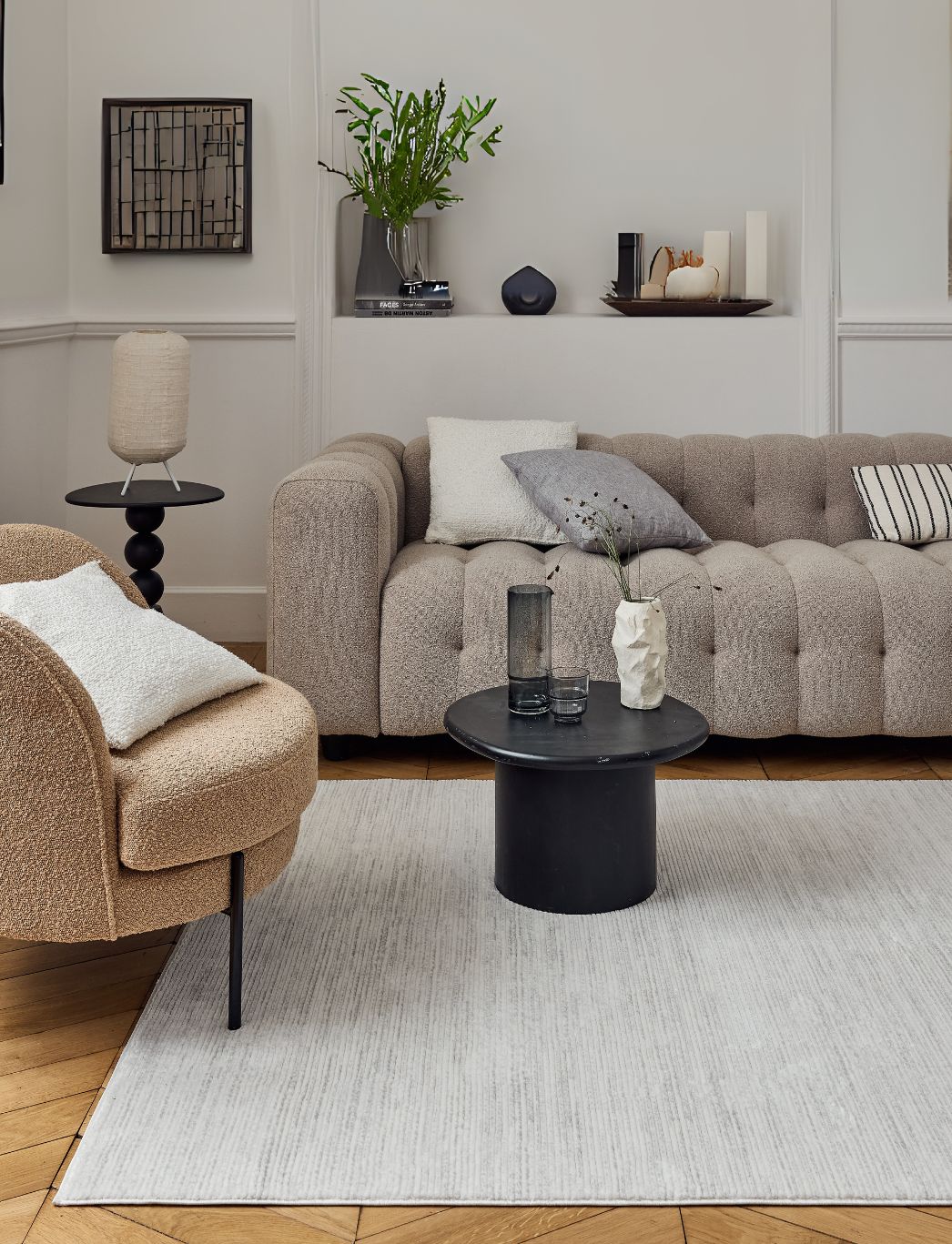
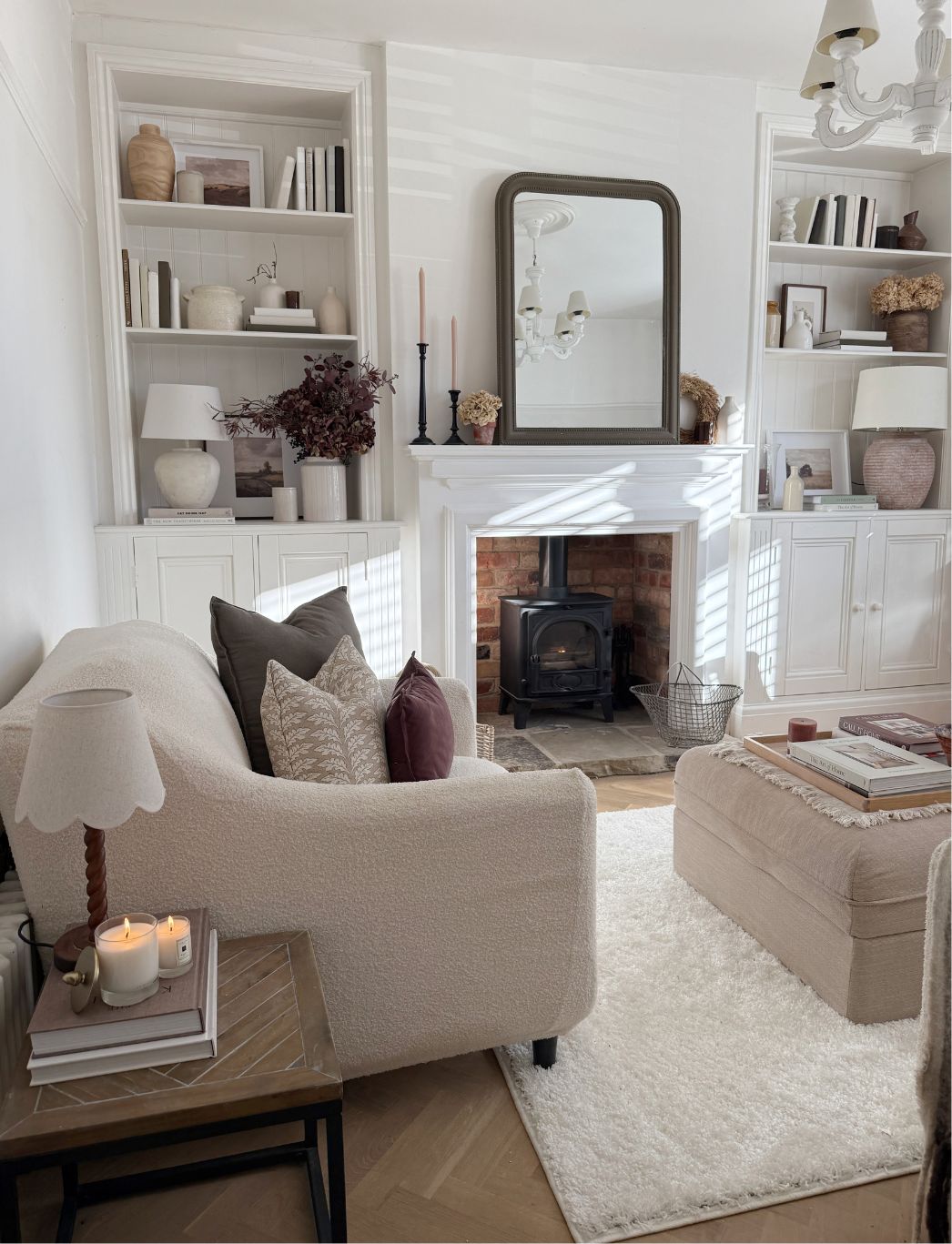
In living rooms, rugs often serve as anchors that bring furniture arrangements together. A well-positioned rug helps establish a clear focal point and encourages the seating area to feel connected.
Many homeowners choose layouts where:
The front legs of sofas and armchairs rest on the rug
Larger rugs accommodate the entire seating arrangement
Coffee tables sit comfortably within the rug boundaries
These approaches encourage greater visual cohesion, balanced proportions, and living spaces that feel intentionally designed.
The rug should reinforce the function of the room rather than compete with it.
Bedroom Rug Placement Prioritises Comfort
Bedrooms are often associated with relaxation, making comfort an important consideration when positioning rugs. Placement should enhance the experience of the space whilst complementing the bed's role as the focal point.
Popular bedroom layouts frequently involve:
Positioning rugs beneath the lower portion of the bed
Allowing the rug to extend beyond the sides of the frame
Using runners alongside the bed in more compact spaces
These arrangements contribute to underfoot softness, visual balance, and bedrooms that feel more inviting at both the beginning and end of the day.
Even small adjustments can significantly influence the atmosphere of a room.

Dining Rooms Require Practical Clearance
Dining room rug placement introduces different priorities, particularly when chairs are regularly moved throughout meals and gatherings.
When laying a rug beneath a dining table, homeowners often consider:
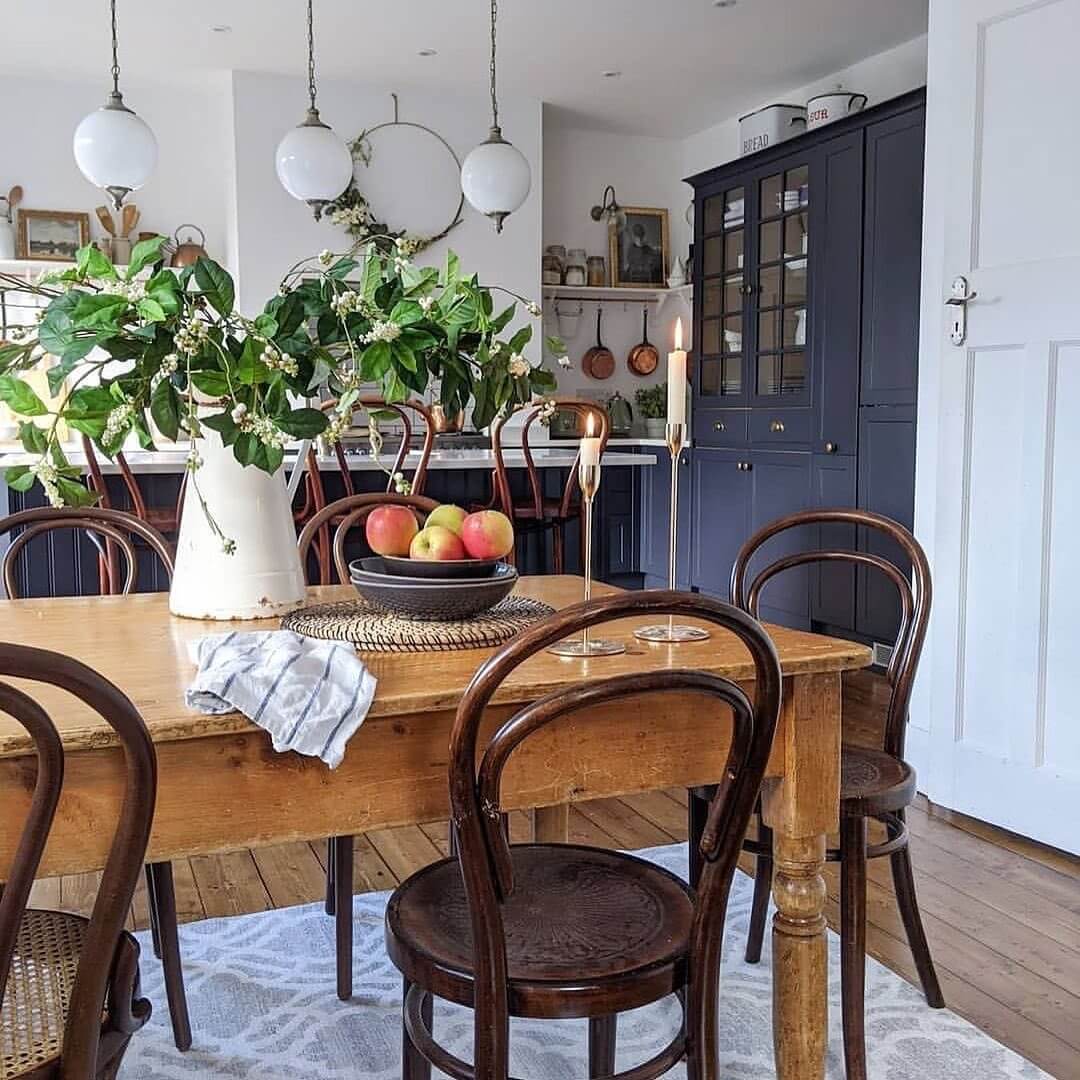
Whether chairs remain on the rug when pulled out
The relationship between the rug and table shape
How people circulate around the room
These reflections support improved functionality, comfortable dining experiences, and layouts that accommodate both everyday use and entertaining.
Practicality becomes especially important in spaces centred around shared routines.
Hard Floors May Need Additional Support
When rugs are positioned on hard flooring surfaces such as wood, laminate, vinyl, or tile, stability can become an important consideration.
Many households benefit from incorporating:
Rug pads designed to improve grip
Layouts that align with furniture placement
Regular checks to ensure rug edges remain flat
These measures encourage greater safety, enhanced comfort, and rugs that continue performing effectively over time.
Small preventative steps can help preserve both appearance and usability.
Layering Rugs on Carpet Requires Thoughtful Planning
Placing rugs over fitted carpet has become an increasingly popular way to refresh interiors and introduce greater personality into a room.
Successful layering often involves considering:
Appropriate rug proportions
The relationship between textures and colours
Methods for minimising movement
The overall purpose of the rug within the space
These factors promote decorative harmony, clearer spatial definition, and arrangements that feel deliberate rather than accidental.
Layering works particularly well when the rug contributes something distinct to the room.

Placement Should Reflect Everyday Living
Whilst design guidance can be helpful, the most effective rug layouts are those shaped by the realities of daily life. Families with young children may prioritise practicality, whilst those who entertain frequently may focus on creating comfortable gathering spaces.
The best rug placement decisions often emerge from understanding how a room is genuinely used. Proportion, circulation, comfort, and furniture relationships all contribute to a layout that feels natural within the home.
Rugs influence far more than aesthetics alone. Positioned thoughtfully, they help define experiences within a space, supporting everything from quiet mornings in the bedroom to lively conversations around the dining table. Selecting placements that respond to these everyday moments allows rugs to fulfil both their practical and decorative potential with ease. The guidance ahead takes a closer look at room-specific placement techniques, useful insights to help rugs support the way households function on a daily basis.
How to Lay a Rug in a Living Room
Knowing how to lay a rug in a living room can dramatically influence how balanced and inviting the space feels. A rug is often one of the largest decorative elements within the room, which means its placement affects both aesthetics and functionality. Positioned thoughtfully, it can help define seating areas, improve visual flow, and introduce a stronger sense of cohesion throughout the interior. Positioned incorrectly, however, even a beautifully designed rug may leave the room feeling disjointed.
The goal is not necessarily to follow rigid decorating rules, but to create a layout that complements the way the living room is genuinely used.

Start by Identifying the Main Seating Area
Most living rooms revolve around a central gathering space, typically anchored by a sofa, armchairs, and a coffee table. The rug should help unify these pieces rather than exist as an isolated feature.
Before placing the rug, consider:
Where conversations naturally take place
How people move through the room
Which furniture pieces define the main seating arrangement
Whether the room serves multiple functions
These reflections encourage better room planning, clearer spatial definition, and layouts that feel intentional.
A rug should support the room's purpose rather than compete with it.
Allow Furniture to Connect With the Rug
One of the most widely recognised placement principles involves ensuring that furniture relates meaningfully to the rug beneath it.
Common approaches include:
Positioning the front legs of sofas and chairs on the rug
Placing all furniture entirely on the rug in larger rooms
Using the rug to visually anchor a conversation area
These arrangements promote greater cohesion, improved proportion, and a stronger sense of balance throughout the living room.
The relationship between furniture and flooring often determines whether a space feels complete.
Choose a Rug Size That Suits the Room
Rug placement begins with selecting dimensions appropriate for both the room and its furnishings. A rug that is too small can make even a generously sized living room appear fragmented.
When assessing size, homeowners may wish to consider:
The distance between furniture pieces
The amount of exposed flooring desired
The overall scale of the room
Whether the rug will define a specific zone
These factors support more harmonious layouts, better visual flow, and rooms that feel thoughtfully designed.
Scale frequently influences the overall success of an interior scheme.
Consider Traffic Flow Throughout the Space
Living rooms often serve as passageways connecting different parts of the home. Rug placement should therefore accommodate everyday movement without disrupting comfort or usability.
Practical considerations include:
Keeping main walkways clear
Ensuring rug edges do not interfere with circulation
Positioning furniture in ways that encourage natural movement
Avoiding layouts that feel restrictive
These decisions contribute to improved functionality, greater comfort, and environments that work naturally within daily routines.
Beautiful interiors should remain easy to navigate.

Use Rugs to Reinforce the Atmosphere You Want to Create
The way a rug is laid can subtly shape how a living room feels. Generous placements often encourage warmth and togetherness, whilst more defined layouts can emphasise structure and formality.
Thoughtful rug placement can support:
Cosier gathering spaces
Relaxed family environments
More polished entertaining areas
A stronger connection between decorative elements
These qualities encourage emotional comfort, decorative clarity, and interiors that reflect individual lifestyles.
The arrangement of a room influences the experiences it facilitates.
Living Room Rug Placement Should Reflect Everyday Life
There is no single formula that suits every home. Some households prioritise entertaining, whilst others design their living rooms around quiet evenings and family routines.
The most effective rug placement considers how the room functions on a daily basis whilst supporting the overall design vision. When proportion, furniture relationships, and practical movement are addressed thoughtfully, a rug becomes much more than an accessory.
It helps establish a living room that feels organised, welcoming, and genuinely suited to the people who spend time within it.
How to Lay a Rug in a Dining Room
Knowing how to lay a rug in a dining room can make a significant difference to both the appearance and practicality of the space. Dining rooms are designed to bring people together, whether for everyday family meals or special occasions shared with guests. A well-positioned rug can introduce visual definition, added warmth, and a stronger sense of balance, whilst incorrect placement may interfere with functionality and comfort.
The most successful dining room layouts consider how the room is used just as carefully as how it looks.
Start With the Dining Table as the Focal Point
In most dining rooms, the table naturally serves as the centrepiece around which the rest of the space is arranged. The rug should reinforce this relationship rather than compete for attention.
Before positioning the rug, consider:
The shape of the dining table
The overall dimensions of the room
The number of chairs used regularly
Whether the space accommodates entertaining
These considerations support more intentional layouts, better proportion, and dining areas that feel cohesive.
The rug should frame the dining experience rather than dominate it.
Allow Enough Space for Dining Chairs
One of the most important aspects of dining room rug placement is ensuring that chairs remain comfortably positioned on the rug, even when pulled out.
This approach helps:
Maintain visual consistency around the table
Improve the overall dining experience
Reduce disruptions when seating is adjusted
Create a stronger sense of balance within the room
These benefits contribute to greater practicality, enhanced usability, and environments designed to support both everyday meals and larger gatherings.
Comfort often depends upon details that go unnoticed when executed well.

Match the Rug Shape to the Table
Whilst there are no absolute rules, many homeowners prefer rug shapes that complement the form of the dining table itself.
Common pairings include:
Rectangular rugs beneath rectangular tables
Round rugs beneath circular tables
Square rugs beneath square tables
These combinations encourage visual harmony, decorative cohesion, and arrangements that feel naturally balanced.
Repetition of shape can help establish a stronger sense of order within the room.
Consider the Flow of the Room
Dining rooms are often positioned close to kitchens, hallways, or open-plan living areas, making circulation an important factor.
When laying a rug, homeowners may wish to consider:
The main walkways through the room
Clearance around surrounding furniture
The relationship between the rug and nearby architectural features
How guests move around the table during gatherings
These reflections support better functionality, more comfortable movement, and spaces that accommodate daily routines with ease.
A beautiful room should remain practical to navigate.

Choose Materials That Suit Everyday Dining
Dining rooms experience a different type of activity compared to bedrooms or formal sitting rooms. The rug selected should therefore align with the realities of regular use.
Many households prioritise rugs that offer:
Ease of maintenance
Durability suited to repeated chair movement
Practicality for family meals and entertaining
Lasting visual appeal
These qualities promote long-term satisfaction, greater convenience, and solutions designed to support everyday living.
Practical choices often contribute just as much to enjoyment as aesthetic ones.
Dining Room Rug Placement Should Support Connection
Dining rooms are about much more than furniture arrangements. They host celebrations, conversations, and the small rituals that shape family life over time.
A well-laid rug helps establish a sense of definition and comfort that encourages people to linger around the table a little longer. By considering proportion, chair placement, and the overall flow of the room, homeowners can create dining spaces that feel both elegant and easy to use.
How to Lay a Rug in a Dining Room
Knowing how to lay a rug in a dining room can make a significant difference to both the appearance and practicality of the space. Dining rooms are designed to bring people together, whether for everyday family meals or special occasions shared with guests. A well-positioned rug can introduce visual definition, added warmth, and a stronger sense of balance, whilst incorrect placement may interfere with functionality and comfort.
The most successful dining room layouts consider how the room is used just as carefully as how it looks.
Start With the Dining Table as the Focal Point
In most dining rooms, the table naturally serves as the centrepiece around which the rest of the space is arranged. The rug should reinforce this relationship rather than compete for attention.
Before positioning the rug, consider:
The shape of the dining table
The overall dimensions of the room
The number of chairs used regularly
Whether the space accommodates entertaining
These considerations support more intentional layouts, better proportions, and dining areas that feel cohesive.
The rug should frame the dining experience rather than dominate it.
Allow Enough Space for Dining Chairs
One of the most important aspects of dining room rug placement is ensuring that chairs remain comfortably positioned on the rug, even when pulled out.
This approach helps:
Maintain visual consistency around the table
Improve the overall dining experience
Reduce disruptions when seating is adjusted
Create a stronger sense of balance within the room
These benefits contribute to greater practicality, enhanced usability, and environments designed to support both everyday meals and larger gatherings.
Comfort often depends upon details that go unnoticed when executed well.
Match the Rug Shape to the Table
Whilst there are no absolute rules, many homeowners prefer rug shapes that complement the form of the dining table itself.
Common pairings include:
Rectangular rugs beneath rectangular tables
Round rugs beneath circular tables
Square rugs beneath square tables
These combinations encourage visual harmony, decorative cohesion, and arrangements that feel naturally balanced.
Repetition of shape can help establish a stronger sense of order within the room.

Consider the Flow of the Room
Dining rooms are often positioned close to kitchens, hallways, or open-plan living areas, making circulation an important factor.
When laying a rug, homeowners may wish to consider:
The main walkways through the room
Clearance around surrounding furniture
The relationship between the rug and nearby architectural features
How guests move around the table during gatherings
These reflections support better functionality, more comfortable movement, and spaces that accommodate daily routines with ease.
A beautiful room should remain practical to navigate.
Choose Materials That Suit Everyday Dining
Dining rooms experience a different type of activity compared to bedrooms or formal sitting rooms. The rug selected should therefore align with the realities of regular use.
Many households prioritise rugs that offer:
Ease of maintenance
Durability suited to repeated chair movement
Practicality for family meals and entertaining
Lasting visual appeal
These qualities promote long-term satisfaction, greater convenience, and solutions designed to support everyday living.
Practical choices often contribute just as much to enjoyment as aesthetic ones.
Dining Room Rug Placement Should Support Connection
Dining rooms are about much more than furniture arrangements. They host celebrations, conversations, and the small rituals that shape family life over time.
A well-laid rug helps establish a sense of definition and comfort that encourages people to linger around the table a little longer. By considering proportion, chair placement, and the overall flow of the room, homeowners can create dining spaces that feel both elegant and easy to use. The most memorable meals are rarely remembered because of the décor alone. They are remembered because of the people gathered together, and the atmosphere that allowed those moments to unfold naturally.
Rug Under Couch Rules
Understanding rug under couch rules can help transform a living room from feeling disconnected to thoughtfully arranged. Whilst sofas often anchor the seating area, the rug beneath them plays an equally important role in establishing balance, proportion, and visual flow. The way a rug interacts with a couch can influence how spacious, inviting, and cohesive the entire room appears.
Although there is no single formula that works in every home, a few guiding principles can make rug placement feel considerably more intuitive.

The Rug Should Connect the Seating Area
One of the main purposes of a living room rug is to visually unite the furniture surrounding it. A couch positioned entirely separate from the rug can make the space feel fragmented.
A well-placed rug may help:
Define the main conversation area
Create stronger relationships between furnishings
Improve the overall layout of the room
Introduce a greater sense of intentional design
These benefits contribute to visual cohesion, improved proportion, and interiors that feel more inviting.
The rug should support the furniture arrangement rather than exist independently from it.
Front Legs on the Rug Is a Popular Approach
Perhaps the most widely recognised placement guideline involves positioning the front legs of the sofa on top of the rug whilst leaving the back legs off.
This arrangement often works well because it can:
Anchor the seating area effectively
Allow for greater flexibility with rug sizing
Create a balanced appearance
Maintain comfortable circulation around the room
These qualities encourage practical styling, stronger visual structure, and layouts that feel natural.
It is often considered one of the easiest approaches to implement successfully.
Larger Rooms May Accommodate All Furniture on the Rug
In more spacious living rooms, homeowners sometimes choose rugs large enough to accommodate the entire seating arrangement.
This method can help:
Establish a clearly defined zone
Create a more luxurious appearance
Reinforce symmetry within the layout
Enhance the feeling of spaciousness
These effects support greater harmony, decorative confidence, and interiors that feel thoughtfully composed.
Scale plays an important role in determining whether this approach is suitable.

Avoid Rugs That Are Too Small
One of the most common decorating mistakes involves selecting rugs that are disproportionate to the size of the couch and surrounding furniture.
A rug that is too small may:
Make the seating arrangement appear disconnected
Interrupt the visual flow of the room
Reduce the sense of balance
Cause the living area to feel unfinished
Choosing dimensions that reflect both the sofa size and room proportions encourages better integration, enhanced functionality, and more polished results.
The relationship between scale and comfort should never be overlooked.
Consider How the Room Functions
Whilst design guidelines can be useful, the way the living room is used should ultimately shape placement decisions.
Questions worth considering include:
Is the room primarily used for entertaining?
Do children regularly play in the space?
Is maintaining clear walkways a priority?
Does the layout need to accommodate multiple functions?
Reflecting on these factors supports personalised solutions, practical living, and arrangements that align with everyday routines.
Interiors perform best when they respond to the needs of the people using them.
Couch and Rug Placement Should Feel Balanced
Rug under couch rules exist to provide guidance rather than impose restrictions. The most effective layouts are often those that acknowledge proportion, encourage comfort, and complement the room's overall purpose.
Whether positioning only the front sofa legs on the rug or opting for a larger design capable of framing the entire seating area, the objective remains the same: creating a living room that feels cohesive and easy to navigate. When furniture placement and rug proportions work together successfully, the result is a space that appears considered, functions effortlessly, and supports the rhythms of everyday life.
How to Lay a Rug on Carpet
Learning how to lay a rug on carpet successfully can help refresh a room without replacing the existing flooring. This approach has become increasingly popular in both rented and owned homes, offering opportunities to introduce texture, definition, and a more personalised aesthetic. However, layering rugs over carpet requires slightly different considerations compared to placing them on hard flooring.
A few practical adjustments can help ensure the finished result feels intentional, comfortable, and visually balanced.
Choose a Rug That Complements the Existing Carpet
The relationship between the rug and the carpet beneath it plays an important role in the overall appearance of the room. Rather than competing for attention, both elements should work together harmoniously.
When selecting a rug, homeowners may wish to consider:
Contrasting textures that add depth
Colours that complement one another
Patterns that avoid visual overcrowding
Shapes that suit the furniture arrangement
These considerations encourage decorative balance, greater cohesion, and interiors that feel thoughtfully styled.
Layering tends to work best when there is a clear distinction between the two surfaces.
Select an Appropriate Rug Size
Size remains one of the most important aspects of successful rug placement. Rugs that are too small may appear disconnected from the rest of the room, particularly when placed over fitted carpet.
Appropriately sized rugs can help:
Anchor furniture arrangements
Define distinct zones within larger spaces
Strengthen the natural progression of the room's layout
Establish a stronger focal point
These benefits support better proportion, improved functionality, and layouts that feel more intentional.

The rug should contribute to the overall structure of the space rather than feel like an afterthought.
Prevent Movement and Bunching
One of the most common concerns when laying a rug on carpet is maintaining stability throughout everyday use.
Several practical measures may help reduce shifting:
Using rug grippers designed for carpeted surfaces
Selecting rugs with sufficient weight
Positioning furniture to help anchor the rug
Checking periodically for bunching or movement
These strategies encourage greater usability, enhanced comfort, and environments that remain practical over time.
A well-positioned rug should feel secure beneath everyday activity.
Consider the Function of the Room
The way a room is used often influences how a rug should be layered over carpet.
For example:
Living rooms may prioritise defining conversation areas.
Bedrooms often focus on creating softer transitions around the bed.
Home offices may benefit from visual zoning.
Multipurpose family spaces frequently require layouts that accommodate flexibility.
These reflections support room-specific solutions, practical design choices, and interiors tailored to daily routines.
Function frequently guides the most satisfying placement decisions.
Use Furniture to Reinforce the Layout
Furniture can play an important role in helping a layered arrangement feel integrated within the room.
Depending on the layout, homeowners may choose to:
Position the front legs of sofas on the rug
Centre coffee tables within the rug boundaries
Use accent chairs to reinforce the seating area
Maintain consistent spacing throughout the arrangement
These approaches contribute to stronger visual connections, greater stability, and spaces that feel organised.
The relationship between furnishings and flooring often determines whether a room appears cohesive.
Layering Rugs Over Carpet Can Feel Intentional and Stylish
Placing a rug on carpet is no longer viewed as a temporary compromise. When approached thoughtfully, it becomes a design choice capable of enhancing comfort, introducing character, and helping rooms feel more complete.
Successful layering depends upon proportion, practicality, and an understanding of how the space functions on a daily basis. By considering these elements carefully, homeowners can create interiors that feel polished whilst still accommodating the realities of everyday living.
A layered rug arrangement should enhance the experience of the room, bringing together style and functionality in a way that feels natural within the home.

How to Lay a Rug on Hard Floors
Understanding how to lay a rug on hard floors can help homeowners create interiors that feel warmer, more comfortable, and visually complete. Whether working with hardwood, laminate, vinyl, or tiled surfaces, rugs introduce softness whilst helping define the character of a room. However, hard flooring presents its own practical considerations, particularly when it comes to stability and placement.
Approaching rug positioning thoughtfully can enhance both the appearance and functionality of the space.
Understanding the Rug's Intended Role Within the Space
Before positioning the rug, it is helpful to establish exactly what role it is expected to play within the room.
A rug may be intended to:
Define a seating arrangement
Introduce warmth beneath hard flooring
Add colour or texture to the interior
Separate different zones within open-plan layouts
These considerations encourage more intentional styling, clearer room planning, and decisions that support everyday living.
A rug tends to perform best when its purpose is clearly understood from the outset.
Choose the Right Size for the Space
Rug placement on hard floors begins with selecting dimensions that complement both the room and the surrounding furniture.
When assessing size, homeowners may wish to consider:
The overall proportions of the room
Existing furniture arrangements
The amount of exposed flooring preferred
The activities that regularly take place within the space
These factors contribute to better visual balance, improved functionality, and interiors that feel cohesive.
Scale often determines whether a rug appears integrated or disconnected.
Use a Rug Pad to Improve Stability
Unlike fitted carpets, hard flooring surfaces offer less natural grip. As a result, rug movement can occasionally become a concern.
Rug pads may help provide:
Greater stability beneath the rug
Additional cushioning underfoot
Protection for the flooring beneath
Reduced bunching and shifting
These benefits encourage enhanced usability, greater comfort, and more confidence during everyday activities.
Small practical additions can have a significant impact on how a rug performs over time.
Position Furniture Thoughtfully
The relationship between rugs and furniture influences how structured and inviting a room feels.
Depending on the room type, homeowners may choose to:
Place the front legs of the sofas on the rug
Centre coffee tables within the rug boundaries
Use rugs to frame dining arrangements
Define reading areas with accent seating
These approaches support clearer spatial definition, decorative harmony, and layouts that feel purposeful.
Furniture placement often helps establish the visual logic of the room.

Consider Traffic Flow Throughout the Room
Hard floors are common in areas that experience regular movement, making circulation particularly important when positioning rugs.
Practical considerations include:
Keeping primary pathways unobstructed
Ensuring rug edges remain flat
Avoiding placements that interrupt movement
Maintaining comfortable access to surrounding furniture
These measures contribute to everyday practicality, greater safety, and spaces that remain easy to navigate.
A well-placed rug should complement how people move naturally through the home.
Rugs Can Enhance the Character of Hard-Floored Spaces
Hard flooring offers versatility and durability, yet rugs often provide the finishing layer that helps rooms feel complete. They soften visual lines, introduce texture, and contribute to a more welcoming atmosphere without concealing the beauty of the flooring beneath.
Successful rug placement on hard floors relies upon a balance between proportion, practicality, and aesthetic preference. By considering the specific needs of each room, homeowners can create interiors that feel both polished and comfortable.
When rugs are positioned with intention, hard-floored spaces benefit from the warmth, structure, and personality that these versatile furnishings naturally provide.
How to Get a Rug to Lay Flat
Few things undermine the appearance of a beautifully styled room quite like curled corners or ripples across a newly unrolled rug. Fortunately, understanding how to get a rug to lay flat can help restore both the comfort and visual appeal of the space. Whether a rug has developed creases during storage or arrived tightly rolled after delivery, these issues are often temporary and manageable with the right approach.
Patience, along with a few practical techniques, can help rugs settle more naturally into their surroundings.

Allow Time for the Rug to Adjust
Many rugs are rolled tightly during transportation, which can result in temporary curling or waves once unwrapped. In many cases, the simplest solution is allowing the rug time to relax naturally.
During this period, homeowners may notice gradual improvements as the fibres adapt to the room's temperature and conditions.
This approach supports:
A gentler adjustment process
Reduced strain on the rug structure
More natural flattening over time
Better long-term appearance
These benefits encourage practical care routines and realistic expectations following delivery.
New rugs often require a brief settling period.
Reverse Rolling Can Help Ease Curling
If corners remain lifted after several days, gently rolling the rug in the opposite direction may encourage the material to relax.
When trying this method, homeowners should:
Avoid forcing the rug too tightly
Allow it to remain reversed briefly
Reposition it carefully afterwards
Check progress gradually rather than expecting immediate results
These steps promote more effective adjustment, improved presentation, and reduced corner lift.
Gentle handling tends to produce the best outcomes.
Use Furniture Strategically
Furniture can sometimes assist with flattening stubborn areas of the rug.
Depending on the layout, homeowners may choose to:
Place a coffee table over the affected sections
Position seating carefully along lifted edges
Apply even pressure without overloading the rug
Monitor progress over time
These techniques support better stability, enhanced usability, and a smoother overall finish.
Practical solutions often rely on items already present within the home.

Rug Pads May Improve the Overall Appearance
In addition to enhancing comfort, rug pads can occasionally help rugs sit more evenly against the floor.
Suitable rug pads may contribute to:
Greater contact with the underlying surface
Improved stability during everyday use
Reduced movement across the room
A more polished appearance overall
These advantages encourage long-term performance, greater confidence, and rugs that function more effectively within busy households.
The finishing details frequently influence how refined a room feels.
Avoid Rushing the Process
Whilst it can be tempting to seek immediate results, forcing corners flat too aggressively may not always be beneficial.
Homeowners should generally avoid:
Excessive bending or folding
Abrupt attempts to reshape the rug
Techniques that could damage fibres or backing
Applying uneven pressure for prolonged periods
A more measured approach supports better rug care, preservation of quality, and outcomes that remain effective over time.
Allowing the rug to adjust gradually is often the most reliable strategy.
A Flat Rug Enhances Both Comfort and Appearance
Rugs contribute significantly to the atmosphere of a room, introducing warmth, texture, and visual definition. When they sit smoothly against the floor, these qualities become even more apparent.
Whether addressing curling corners after delivery or resolving minor ripples that develop through storage, simple adjustments can often make a noticeable difference. By approaching the process patiently and thoughtfully, homeowners can help ensure their rugs look and perform exactly as intended.
A well-settled rug can complement the room's design while encouraging the comfort and practicality that often characterise lived-in spaces.
PEOPLE ALSO ASKED
How to Properly Lay a Rug?
Laying a rug properly begins with understanding the purpose it serves within the room. A rug should help define the space, complement surrounding furniture, and support comfortable movement throughout the area. In living rooms, this often means connecting the seating arrangement, whilst bedrooms and dining rooms require different approaches based on how they are used. Considering proportion, furniture placement, and traffic flow helps ensure the rug feels integrated rather than incidental. A well-positioned rug enhances both the practicality and visual appeal of a room without overwhelming the existing layout.
What Are the Common Mistakes for Rug Placement?
One of the most common rug placement mistakes is choosing a rug that is too small for the space. Other frequent issues include positioning rugs without considering furniture relationships, obstructing natural walkways, and neglecting stability on hard flooring. These oversights can affect both the appearance and usability of a room. Paying attention to appropriate sizing, clear circulation routes, and the intended function of the space encourages more successful outcomes. Thoughtful placement often has a greater impact on a room's overall balance than the rug design itself.
Should All Furniture Legs Be on the Rug?
Not necessarily. Whether all furniture legs should sit on the rug depends largely on the room size and the overall layout. In larger living rooms, positioning all furniture on the rug can create a cohesive and luxurious feel. In smaller spaces, placing only the front legs of sofas and chairs on the rug is often sufficient to anchor the arrangement effectively. The objective is to establish visual connection, appropriate scale, and a sense of balance within the room. Consistency within the chosen layout generally produces the most polished result.
Can You Put a Rug on Top of Carpet?
Yes, placing a rug on top of carpet can be both practical and stylish. Layering rugs over fitted carpet allows homeowners to introduce additional texture, decorative interest, and greater definition within a space. It can be particularly effective in rented properties or rooms that would benefit from stronger focal points. Successful layering typically involves selecting rugs that complement the existing carpet through thoughtful use of colour, proportion, and texture. When approached intentionally, this technique can help refresh interiors without requiring permanent flooring changes.
How to Get a Cowhide Rug to Lay Flat?
Cowhide rugs may occasionally curl at the edges after transportation or storage. Allowing the rug time to adjust naturally within the room is often the first step. If curling persists, gently reverse rolling the affected areas may help encourage the hide to settle. Placing furniture strategically around lifted sections can also assist with flattening. Avoid exposing the rug to excessive moisture or forceful manipulation, as this may damage the material. A patient approach supports better preservation, improved appearance, and the longevity of the cowhide's natural characteristics.
How Do I Get a New Rug to Lay Flat?
New rugs commonly develop temporary waves or curled corners due to being tightly rolled during delivery. In many cases, allowing the rug to rest undisturbed for several days enables it to relax naturally. Reverse rolling may also help ease stubborn creases. Depending on the rug type, carefully positioning furniture over lifted areas can encourage a flatter appearance over time. These methods support effective settling, greater comfort, and a smoother finish. Most new rugs gradually adapt to their surroundings with minimal intervention.
How to Get a Jute Rug to Lay Flat?
Jute rugs can occasionally retain their rolled shape following transportation, particularly because of their natural fibre construction. Allowing the rug to settle naturally within the space is generally considered beneficial. Reverse rolling may help reduce curling, whilst maintaining the rug in a dry, stable environment supports its overall condition. Since natural fibres can react differently to humidity levels, avoiding excessive moisture is generally advisable. Gentle adjustments encourage better presentation, ongoing durability, and a flatter appearance without compromising the integrity of the material.
How to Get a Rolled Rug to Lay Flat?
Rolled rugs often require a short adjustment period before settling completely. After unrolling the rug, homeowners may wish to leave it undisturbed for several days, allowing the fibres to relax naturally. If needed, reversing the rolling of the rug in the opposite direction can help address persistent curling. Positioning furniture strategically along raised areas may also assist with flattening. Avoid folding the rug sharply or attempting to force it into position. A gradual approach supports long-term performance, improved usability, and a more refined appearance within the home.
Keep reading
All how to guides for home owners →


103 styles, Free UK Delivery
New guides in your inbox, no noise.
New guides, materials and styling tips.