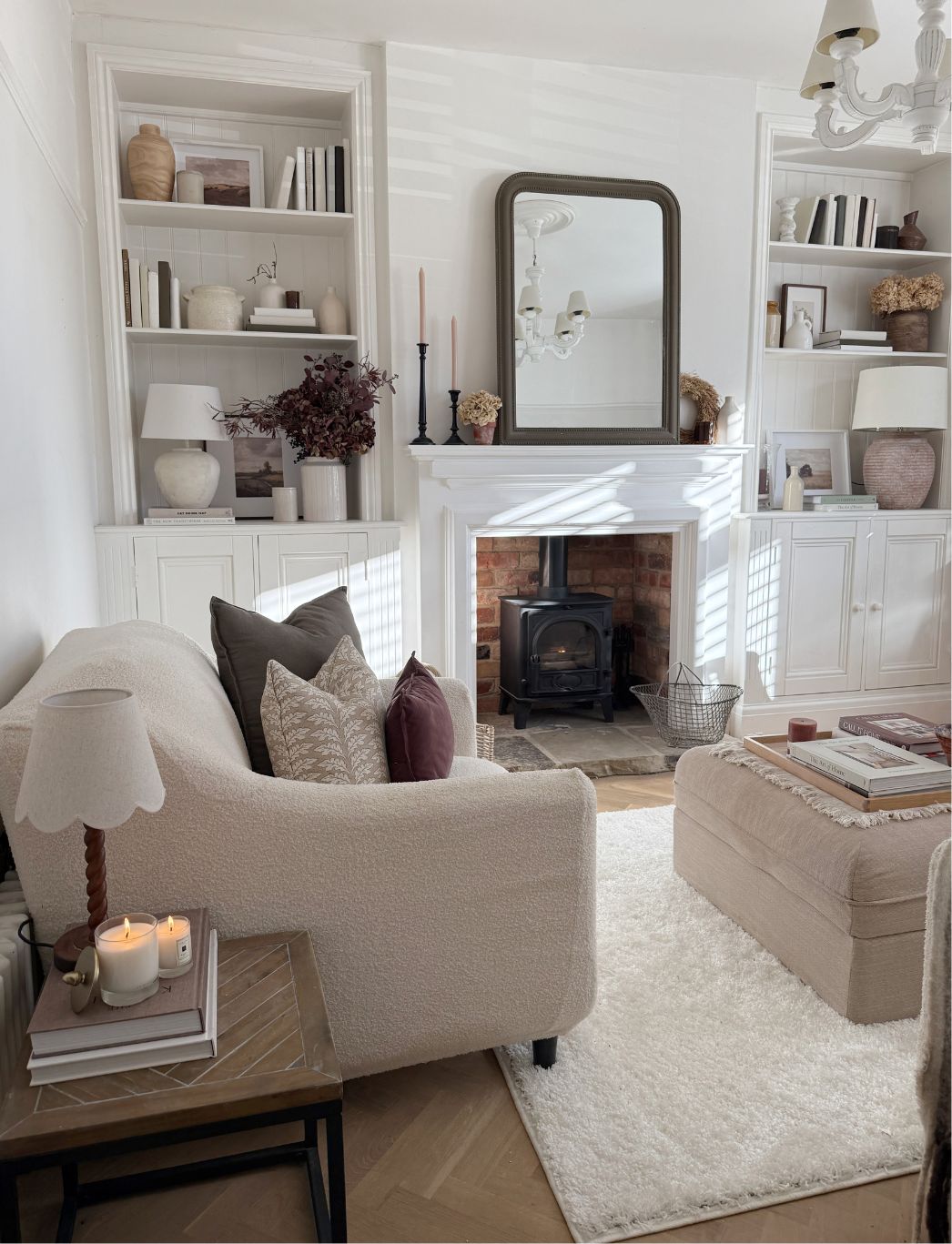
Grey Rugs
 Beige Rugs
 Cream Rugs
 White Rugs
 Black Rugs
 Brown Rugs
 Blue Rugs
 Duck Egg Blue Rugs
 Green Rugs
 Pink Rugs
 Multicolour Rugs
 Yellow Rugs
 Red Rugs
 Terra Rugs
 Orange Rugs


Dining Room Rugs: Complete Buying and Styling Guide for Modern UK Homes

Dining room rugs are one of the most transformative elements you can introduce into a dining space. They anchor the table, soften acoustics, define open plan layouts and instantly elevate the overall atmosphere. Whether you are styling a formal dining room or a relaxed family setting, the right rug creates structure, warmth and cohesion.
At The Rugs, we always approach dining room styling with both design and practicality in mind. A rug under a dining table needs to look beautiful, but it also needs to handle movement, spills and everyday life.

Choosing the Right Size for Dining Room Rugs
Size is the most important decision when selecting a dining room rug.
An undersized rug can leave a room feeling unsettled, with furniture seeming disconnected from one another. Choose the right proportions, however, and the rug will anchor the space properly, tying the layout together and giving the whole room a balanced, cohesive feel.
As a general rule, the rug should extend at least 60 to 70 cm beyond each side of the dining table. This ensures the chairs stay completely on the rug, even when they are pulled back from the table. In open plan homes, larger rugs help define the dining zone without using walls or partitions.
For compact dining spaces, rectangular rugs often work best. In square rooms or with round tables, circular rugs can create a softur and more balanced finish.
Best Materials for Dining Areas
Dining spaces experience more friction than most rooms. Chairs move constantly, crumbs fall, and occasional spills are inevitable.
Polypropylene rugs are ideal for busy homes because they are durable, stain resistant and easy to maintain. They are particularly practical for families and renters.
Washable rugs are becoming increasingly popular in dining rooms. They offer convenience without compromising style, making them a smart choice for everyday use.
Natural options such as jute rugs can work beautifully in calm, neutral interiors. However, they are better suited to lower traffic dining areas as they can be more sensitive to moisture.
Shape Matters: Rectangular vs Round
Your rug should echo the form of your dining table, so the two elements feel visually aligned rather than competing with one another.
Rectangular rugs pair naturally with rectangular or oval tables and create clean, structured lines.
Round rugs work beautifully under round dining tables, creating symmetry and a soft visual flow. They are especially effective in smaller rooms where you want to reduce sharp angles and create a more fluid look.
When styling open plan spaces, consider how the rug shape interacts with nearby furniture such as sideboards or kitchen islands.

Colour and Pattern Considerations
Colour influences the mood of your dining room more than many people realise.
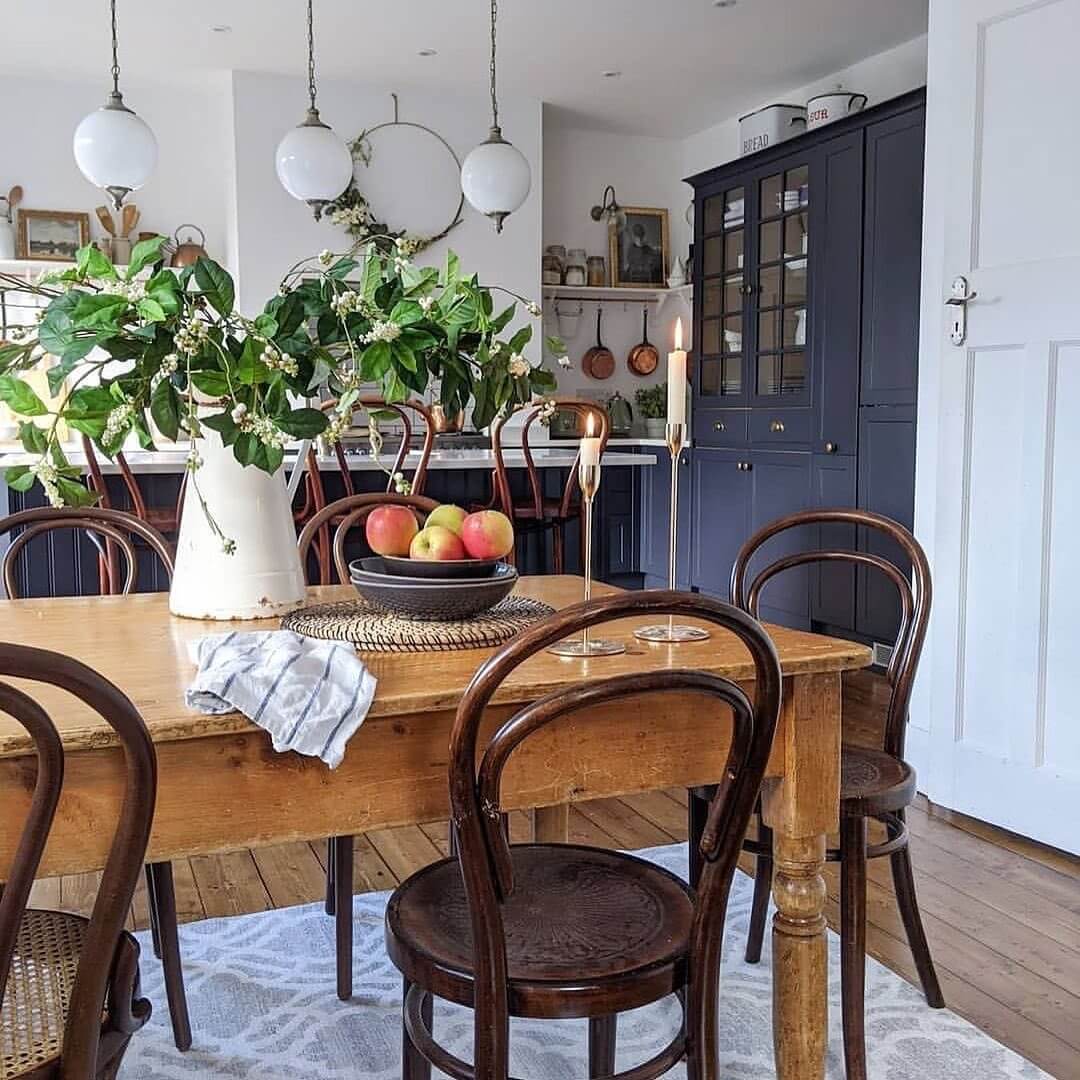
A beige dining room rug offers warmth and versatility. It pairs easily with wooden furniture and creates a relaxed, inviting atmosphere.
A white rug for dining room styling can look elegant and contemporary, particularly in minimalist interiors. However, choosing an easy clean or washable option is essential.
A black rug in the dining room adds contrast and sophistication. It works particularly well in modern spaces with metallic or dark wood accents.
Patterned rugs, including subtle geometric or vintage inspired designs, are excellent for disguising small stains while adding visual interest.
Practical Tips for Everyday Dining Spaces
Dining room rugs should be both stylish and functional.
Look for:
• Low to medium pile heights so chairs glide smoothly
• Stain resistant fibres for easier cleaning
• Non slip backing or a rug pad for added stability
• Durable edges to withstand frequent chair movement
Regular vacuuming and immediate spot cleaning will help maintain the appearance of your rug long term.
Dining Room Rugs in Open Plan Homes
In UK homes, especially modern flats and semi detached houses, open plan living is increasingly common. A dining room rug helps visually separate the dining area from the living room without building physical barriers.
Choose a rug that complements, but does not exactly match, your living room rug. This creates cohesion while maintaining definition between zones.
Large rugs are particularly effective in open layouts, ensuring the dining space feels intentional rather than floating.
Creating a Balanced Dining Space
A well chosen dining room rug should feel like the foundation of the room. It connects the table, chairs and surrounding furniture into one cohesive composition.
When proportion, material and colour are carefully considered, the rug becomes more than a decorative piece. It becomes the element that makes the dining room feel complete.
If you are exploring durable, stylish and affordable options, The Rugs offers a wide range of designs suitable for both contemporary and classic dining spaces across the UK.
Best Rugs for Dining Room
Best rugs for dining room styling combine durability, proportion and effortless design. A dining space is not just about aesthetics. It is a functional area where chairs move constantly, meals are shared daily and spills occasionally happen. Choosing the right rug means balancing practicality with visual impact. The right choice should support both everyday life and long term design goals.

Key Features That Make a Rug Ideal for Dining Areas
Not every rug works well under a dining table. The best rugs for dining room settings typically share a few essential characteristics.
• Low pile height so chairs slide smoothly
• Strong, durable fibres that handle friction
• Stable backing or rug pad to prevent movement
High pile or shaggy textures may feel soft, but they are not always practical in dining environments where movement is constant.
Best Rug Materials for Everyday Dining
Material choice determines how well your dining room rug performs over time. Polypropylene remains one of the most reliable options because it is stain resistant and easy to clean. Washable dining room rugs are ideal for family homes, offering convenience without compromising style. Flatweave constructions are also excellent because their low profile reduces wear from chair legs and makes maintenance simple.
Choosing the Right Size for a Balanced Look
Proportion is critical when selecting the best rug for dining room layouts. The rug should extend at least 60 to 70 cm beyond each side of the table. This ensures chairs remain fully on the rug when pulled out. In open plan homes, large dining room rugs help anchor the table and clearly define the dining zone without visual clutter.
Colour Choices That Work in Dining Rooms
Colour plays a major role in atmosphere. A neutral beige dining room rug creates warmth and versatility, pairing easily with wooden or upholstered chairs. Darker tones such as charcoal or black introduce contrast while helping disguise minor marks. Subtle patterns are often a smart choice because they add depth and help conceal everyday wear.
Dining Rugs for Modern and Classic Interiors
In contemporary homes, minimalist designs and clean lines work beautifully with understated area rugs for dining room settings. For more traditional interiors, Persian inspired patterns or vintage style rugs bring character and richness. The key is balance. The rug should complement the furniture and lighting rather than compete with them.
Maintaining Your Dining Room Rug
Keeping your dining room rugs in excellent condition does not need to be complicated.
• Vacuum regularly to remove crumbs
• Spot clean spills promptly
• Rotate occasionally to distribute wear
Choosing stain resistant fibres from the beginning significantly reduces long term maintenance.
Creating a Complete Dining Space
The best rugs for dining room interiors do more than sit beneath a table. They define the space, soften acoustics and connect furniture into one cohesive composition. When size, material and colour are carefully considered, the rug becomes the finishing element that makes the room feel intentional and complete. For durable, stylish and affordable designs suited to modern UK homes, explore the latest collections at The Rugs and select a piece that supports both everyday practicality and timeless design.
Elegant and Practical Dining Room Table Rug for Modern UK Homes
A dining room table rug defines the rhythm of the space beneath it. Although the dining table tends to be the focal point, it is the rug that anchors the setting, ensuring the furniture feels integrated into the room rather than isolated within it. In homes with wooden, laminate or tiled flooring, a rug softens the visual contrast and introduces warmth that hard surfaces cannot provide on their own.
In open plan layouts, this becomes even more important. Without a rug, the dining area can blend awkwardly into surrounding zones. A well proportioned rug subtly signals where the dining space begins and ends, creating structure without physical dividers.

Getting the Proportions Right Without Guesswork
The success of a rug under dining table styling often comes down to scale. A rug that is too compact makes the table look oversized and unstable. One that is appropriately measured gives the entire setup balance and confidence.
As a practical guideline, the rug should extend at least 60 to 70 cm beyond every side of the table. This ensures chairs remain fully on the rug when pulled back, preventing uneven pressure on edges and reducing long term wear. If you are working with an extendable table, measure it at its largest size rather than its everyday setting.
In larger dining rooms, generous sizing creates a more luxurious and intentional feel. In compact flats or smaller UK homes, precise measurement prevents the space from feeling overcrowded while still achieving visual grounding.
Surface, Fibre and Long Term Performance
A dining room table rug needs to perform under constant movement. Chairs slide back and forth daily, and minor spills are part of normal use. Fibre choice therefore matters significantly.
Polypropylene is a reliable option for busy households because it resists stains and is straightforward to maintain. Flatweave constructions are equally practical, offering a smooth surface that allows chairs to glide without catching. If you prefer a natural look, low profile jute blends can work well in calmer dining environments, though they require more attentive care.
Pile height should remain low to medium. Thick or shaggy textures may feel inviting underfoot, but they can trap crumbs and make chair movement awkward. A refined surface creates a cleaner finish while supporting everyday function.
Designing Around Texture, Colour and Light
The texture and tone of your dining room area rug influence the mood of the entire room. Neutral shades such as beige or soft grey create warmth and flexibility, pairing easily with wooden tables and upholstered chairs. Darker tones introduce contrast and can visually anchor lighter furniture.
Subtle patterns are particularly effective in dining spaces. They add depth without overpowering the setting and naturally disguise minor marks between cleans. In rooms with statement lighting or bold artwork, a quieter rug allows those elements to shine. In simpler interiors, a textured or gently patterned rug can introduce interest without overwhelming the space.

Practical Care That Protects Your Investment
Maintaining a dining room table rug does not require complicated routines, but consistency is key. Regular vacuuming prevents crumbs from embedding into fibres and helps preserve the rug’s appearance. Addressing spills promptly reduces the risk of staining and maintains colour integrity.
Rotating the rug occasionally distributes wear more evenly, especially in high traffic homes where certain chair positions are used more frequently. Selecting stain resistant materials from the outset reduces stress and supports long term durability.
Creating a Dining Area That Feels Intentional
A thoughtfully chosen dining room table rug does more than complete the look. It enhances comfort, softens acoustics and brings cohesion to every surrounding element, from sideboards to lighting fixtures.
When proportion, fibre and colour are aligned with the room’s function, the rug becomes the foundation of a dining space that feels balanced, practical and inviting.
Stylish Dining Room Area Rugs for Defined and Balanced Interiors
Dining room area rugs play a defining role in how a dining space feels and functions. While the table may be the centrepiece, the rug beneath it determines whether the layout feels grounded or scattered. In modern UK homes, especially those with open plan designs, a carefully chosen rug introduces structure, warmth and visual cohesion without interrupting flow. It becomes the element that quietly holds everything together.

Establishing Visual Boundaries in Open Layouts
In homes where dining spaces connect directly to kitchens or living areas, zoning becomes essential. A well proportioned area rug creates a subtle boundary that defines the dining zone without walls or partitions. This separation adds clarity and makes the overall layout feel intentional rather than improvised.
When the rug extends generously beyond the table, it anchors not just the furniture but the entire section of the room. The result is a dining area that feels composed and confident, even within a larger shared space.
Considering Proportion and Spatial Harmony
Scale has a direct impact on balance. An undersized rug can make the table appear oversized and unstable, while one that is carefully measured enhances stability and symmetry. For effective chair clearance, the rug should allow seating to slide back comfortably while remaining fully supported.
Taking into account walkways, nearby storage units and lighting fixtures ensures the rug complements the whole room rather than dominating it. Proper proportion supports both aesthetics and everyday functionality.
Material and Construction Choices That Matter
A dining environment demands durability. The constant movement of chairs and the occasional spill require materials that are resilient and easy to maintain. Many homeowners favour stain resistant fibres for peace of mind, particularly in family households.
Flatwoven and low profile constructions are often ideal because they reduce friction under chair legs and maintain a clean, tailored appearance. Choosing a construction that balances practicality with comfort ensures long term performance without compromising style.
Enhancing Atmosphere Through Colour and Texture
The tone and surface finish of dining room area rugs influence the mood of the room more than most people expect. Soft neutral shades create a calm backdrop that highlights wooden tables and upholstered chairs. Deeper hues add contrast and visual weight, helping lighter furniture feel grounded.
Texture can introduce subtle richness. A refined woven finish adds dimension without overwhelming the space, while gentle patterning provides character and helps disguise minor everyday marks.
Integrating the Rug into the Wider Interior Scheme
A dining rug should never feel isolated. Its colour palette and texture should connect naturally with surrounding elements such as cabinetry, wall art or adjacent living room furnishings. This continuity strengthens the overall design language of the home.
In open plan layouts, coordination rather than duplication works best. Complementary tones maintain flow while allowing each area to retain its own identity.
When thoughtfully selected, dining room area rugs transform an ordinary furniture arrangement into a cohesive and inviting setting. They soften sound, add warmth underfoot and visually stabilise the dining table within its surroundings.
Dining Room Rugs in Large Sizes for Open Plan Living Spaces
Dining room rugs large in scale have the power to completely transform expansive dining spaces. In bigger rooms or open plan layouts, smaller rugs can make furniture feel disconnected and visually lost. A generously sized rug creates presence, anchors the dining table and ensures the entire arrangement feels intentional rather than floating within empty space.

Why Scale Changes the Entire Composition
In larger dining rooms, proportion becomes more noticeable. A compact rug under a substantial table can shrink the perceived scale of the space and disrupt balance. A properly measured large rug restores harmony by extending beyond the table and allowing chairs to remain comfortably positioned even when pulled back.
This additional surface area also softens the visual dominance of wide flooring expanses. Instead of hard surfaces dominating the room, the rug introduces texture and warmth that feel proportionate to the setting.
Creating Definition in Open Plan Homes
Modern UK homes often combine kitchen, dining and living areas into one continuous environment. Within these layouts, open plan zoning is essential. A generously sized dining rug creates clear definition within the space, marking out the dining area without relying on walls, screens or permanent alterations.
By selecting a rug that sits confidently beneath the table and extends outward with intention, the dining space gains clarity and structure. This approach prevents the table from blending awkwardly into surrounding furniture.
Choosing Construction That Supports Everyday Use
With increased size comes increased responsibility in terms of performance. A dining room rug of larger dimensions must be durable enough to withstand constant chair movement across a wider surface. Low to medium pile constructions help maintain smooth chair glide and reduce uneven pressure points.
Materials such as polypropylene are often chosen for their resilience and ease of maintenance. In formal dining rooms used less frequently, more decorative finishes can be considered, but durability should never be overlooked.
Balancing Colour Within a Wider Surface Area
Because large rugs cover more floor space, colour selection becomes more influential. Neutral tones create an expansive, calming effect that prevents the room from feeling visually heavy. Darker shades can introduce drama, but they should be balanced carefully to avoid overwhelming the space.
Subtle patterns are often effective in larger formats, adding interest without dominating the room. The key is maintaining cohesion between the rug, dining furniture and surrounding décor.
When correctly chosen, dining room rugs large in size provide more than coverage. They enhance acoustic comfort, add visual stability and reinforce the scale of the room. The dining table feels properly grounded, and the surrounding space appears thoughtfully curated.
Elegant Round Area Rugs Dining Room Layouts for Balanced Spaces
Round area rugs dining room layouts introduce softness and symmetry that rectangular formats cannot always achieve. When paired thoughtfully with the dining table, a circular rug can make the entire space feel more fluid and harmonious. This approach works particularly well in rooms where sharp angles dominate, helping to create a more inviting and cohesive atmosphere.
Matching Circular Forms with Table Geometry
The relationship between rug and table shape is essential. A round rug naturally complements a circular dining table, reinforcing balance and preventing visual tension. This sense of spatial symmetry makes the layout feel deliberate rather than accidental.
In square rooms, circular rugs can also soften rigid boundaries and encourage smoother visual movement. The absence of corners allows the eye to travel more comfortably around the space.
Proportion and Clearance Without Compromise
Even with a circular format, proportion remains critical. The rug must extend far enough beyond the table to allow comfortable seating movement. Adequate chair clearance ensures chairs stay fully supported when pulled back, preserving both stability and visual cohesion.
Measuring from the widest point of the table rather than its centre helps determine the correct diameter. This simple step prevents under sizing and maintains structural balance.
Texture and Tone in Circular Designs
Because a round rug naturally draws attention, surface detail should be selected with care. Subtle textures and refined finishes often work best, allowing the shape to stand out without overwhelming the room. A carefully chosen neutral palette keeps the design elegant and versatile.
For dining rooms that lean toward contemporary styling, minimal patterns can add interest without disrupting symmetry. In more traditional settings, gentle motifs can enhance warmth while maintaining proportion.
Integrating Circular Rugs into Open Plan Homes
In open plan interiors, round rugs create a distinct focal point that defines the dining area clearly. Their curved edges contrast beautifully with straight kitchen cabinetry and rectangular living room furniture. This variation introduces visual layering while supporting clear zoning.
When positioned correctly, round area rugs dining room arrangements feel intentional and architecturally considered rather than decorative afterthoughts. A thoughtfully sized round rug enhances comfort, softens acoustics and adds warmth beneath the dining table. The curved silhouette reduces visual rigidity and encourages a relaxed atmosphere suitable for both everyday meals and special gatherings.
Contemporary Circle Rugs for Dining Room Settings with Strong Visual Impact
Circle rugs for dining room interiors introduce movement and softness in a way that instantly shifts the atmosphere of the space. Unlike traditional rectangular formats, a circular rug changes the energy beneath the table, making the layout feel curated rather than conventional. In modern UK homes where design personality matters, this subtle shift can elevate the entire room.
Breaking Away from Linear Layouts
Most dining rooms are dominated by straight lines, from flooring planks to cabinetry and wall edges. Introducing a circular rug beneath the table disrupts this repetition and creates contrast. This deliberate use of curved geometry softens rigid architecture and encourages visual flow.
Even beneath rectangular tables, a circle rug can feel bold and design led when proportions are carefully considered. The key is ensuring the table sits confidently within the rug’s diameter so the shape feels intentional.

Measuring Diameter with Precision
Choosing the correct size requires attention to the widest points of the table and seating. The rug should extend beyond chairs when they are pulled out to maintain stability and visual balance. Adequate diameter allowance prevents edges from cutting too close to furniture legs.
In compact dining areas, slightly oversized circle rugs often create a more generous appearance. In spacious rooms, a larger diameter ensures the dining arrangement feels anchored rather than floating.
Selecting Materials That Support Daily Life
Because dining areas experience constant movement, fibre selection should prioritise resilience. Many homeowners opt for low profile construction to ensure chairs glide smoothly without resistance. Durable synthetic fibres offer easy maintenance and stain resistance, particularly useful in busy family households.
Natural fibre blends can also work beautifully in calmer spaces, adding organic texture while maintaining structural integrity.
Colour and Surface Detail in Circular Formats
With circle rugs, surface treatment plays an even greater role because the shape already commands attention. A restrained textured finish often enhances elegance without overwhelming the design. Neutral tones create balance, while deeper shades introduce grounding contrast beneath lighter tables.
Subtle patterns can add character while helping disguise minor marks, making them a practical yet stylish choice for dining environments.
Designing a Dining Area with Confidence
When thoughtfully integrated, circle rugs for dining room layouts bring softness, balance and architectural interest to the space. They define the dining zone, soften acoustics and encourage a more relaxed visual rhythm.
For homeowners seeking distinctive yet practical designs suited to contemporary UK living, exploring circular options at The Rugs can create a dining environment that feels both refined and confidently styled.
Natural Texture and Warmth with a Jute Rug Dining Room Setting
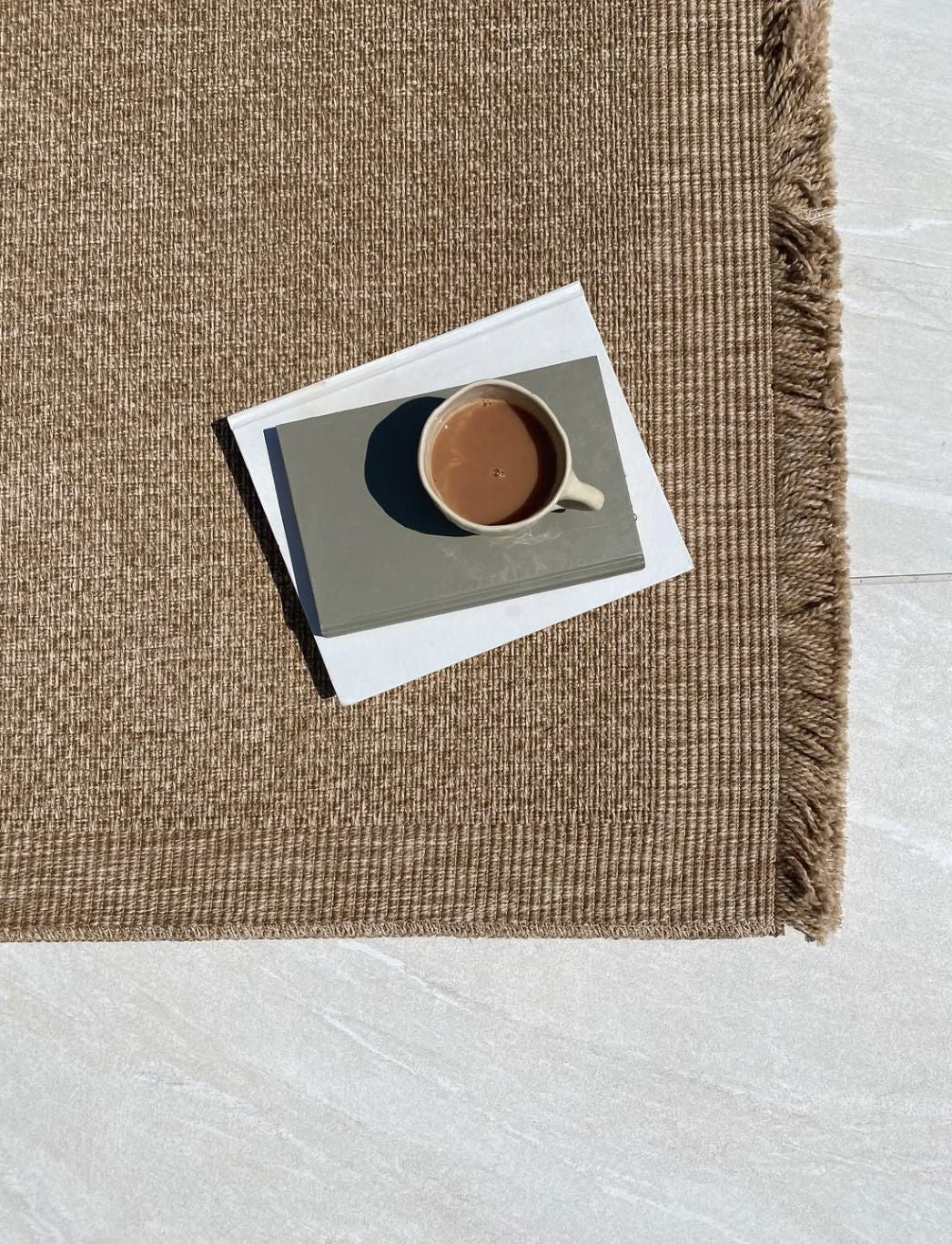
A jute rug dining room arrangement introduces organic texture and relaxed warmth that synthetic fibres rarely replicate. With its earthy tone and woven character, jute adds depth beneath the table while maintaining a calm, grounded presence. In interiors that lean toward neutral palettes or natural materials, this fibre can quietly elevate the entire space.

The Appeal of Organic Fibre Under the Table
Jute brings an unmistakable tactile quality. Its woven surface creates subtle variation that feels authentic and unprocessed. This natural irregularity works beautifully in dining rooms styled with wooden tables, linen upholstery or ceramic accents. The result is a layered environment built around natural fibre rather than artificial shine.
Because jute reflects light softly, it prevents the floor from appearing overly polished. This can be especially effective in bright dining rooms where sunlight highlights surface textures.
Structural Strength and Everyday Practicality
While jute feels relaxed, it is also known for its durable weave. The tightly braided construction provides structural integrity that supports regular chair movement. Flat, low profile surfaces allow seating to slide more smoothly compared to deeper pile rugs.
However, jute is less forgiving with moisture. It is best suited to dining rooms where spills are managed quickly and heavy liquid exposure is unlikely. In family homes, combining jute with careful maintenance ensures longevity.
Complementing Furniture and Interior Style
A jute rug pairs naturally with timber dining tables, black metal frames and soft upholstered chairs. Its neutral colour range blends seamlessly with muted walls and minimalist décor. In more contemporary interiors, it introduces warmth that prevents the room from feeling sterile.
For spaces inspired by Scandinavian or rustic aesthetics, a jute rug dining room design enhances authenticity without overpowering the setting. The texture becomes the feature rather than bold colour or heavy pattern.
Considering Size and Layout Thoughtfully
Even with its relaxed character, proportion remains important. The rug should extend comfortably beyond the table so chairs remain supported when pulled back. Adequate chair stability prevents uneven wear and maintains visual balance.
In open plan layouts, a generously sized jute rug defines the dining zone while maintaining a cohesive flow with adjacent living areas.
Long Term Care and Preservation
Maintaining a jute rug requires consistent but simple attention. Regular vacuuming prevents debris from settling within the weave. Spills should be addressed immediately using minimal moisture to protect the fibre. Over time, rotating the rug distributes wear more evenly and supports structural integrity.
When thoughtfully chosen and properly maintained, a jute rug becomes more than a decorative layer. It introduces authenticity, texture and grounded warmth to the dining space.

Timeless Character with a Persian Rug for Dining Room Interiors
A persian rug for dining room styling introduces heritage, depth and visual richness that few other designs can replicate. Known for intricate detailing and layered colour palettes, Persian inspired rugs bring a sense of permanence beneath the dining table. In both contemporary and traditional UK homes, this style adds narrative and refinement without feeling overly formal.
Introducing Heritage Without Overwhelming the Space
The beauty of a Persian style lies in its detail. Traditional motifs and medallion patterns create dimension that transforms the dining area into a more expressive setting. A thoughtfully placed ornamental pattern can elevate a simple wooden table into a focal point with presence.
Balance is essential. When walls and furniture remain understated, the rug becomes the statement piece. In more decorative rooms, selecting a subtler colourway maintains harmony while preserving character.
Depth of Colour and Layered Tones
One of the defining features of a Persian design is its layered colour composition. Deep reds, muted blues and warm neutrals interact to create visual complexity. This rich colour palette anchors the dining space and prevents it from feeling flat.
In lighter interiors, a darker Persian rug grounds pale furniture. In rooms with darker wood finishes, muted variations provide contrast without overpowering the environment.
Suitability for Everyday Dining
Despite their decorative appearance, many modern Persian inspired rugs are constructed with practical living in mind. Low to medium pile heights allow chairs to move smoothly, and contemporary materials improve stain resistance compared to traditional hand knotted pieces.
Choosing a durable construction ensures the rug maintains both its beauty and structural integrity in an active dining setting.
Creating a Focal Point Beneath the Table
A persian rug for dining room layouts naturally draws the eye toward the centre of the room. The intricate detailing frames the table and reinforces the importance of the dining area within the home.
Proper sizing remains critical. The rug should extend beyond the table to ensure chairs remain stable when pulled back, preserving proportion and visual balance.
Persian rugs are not limited to traditional décor. In minimalist dining rooms, they introduce warmth and contrast that prevent the space from feeling sterile. Paired with clean lined furniture, the combination of classic pattern and modern structure feels curated and intentional.
Practical Comfort with a Washable Dining Room Rug for Everyday Living
A washable dining room rug offers reassurance in one of the most frequently used areas of the home. Dining spaces are naturally prone to crumbs, spills and movement, and having a rug that can be cleaned with ease removes unnecessary stress. Instead of worrying about marks during meals or gatherings, homeowners can focus on comfort and atmosphere.

Built for Real Homes and Busy Households
Dining rooms are not static showpieces. Chairs move repeatedly, children drop food and drinks occasionally spill. A rug designed with machine washable construction allows for deeper cleaning when needed, beyond routine vacuuming.
This practicality makes washable designs particularly appealing in family households or homes with pets. The ability to refresh the rug fully helps maintain both hygiene and visual appeal over time.
Balancing Durability with Softness
While functionality is essential, comfort should not be overlooked. Many modern washable options use flexible, low profile materials that feel pleasant underfoot while supporting smooth chair movement. A carefully chosen low pile surface prevents friction under chair legs and reduces uneven wear.
Advanced synthetic blends often provide stain resistance without sacrificing softness, ensuring the rug remains both practical and inviting.
Integrating Style Without Compromise
A washable rug does not mean sacrificing design. Contemporary collections include neutral tones, subtle patterns and textured finishes that complement a wide range of dining interiors. From minimalist settings to more decorative spaces, a washable dining room rug can blend seamlessly with existing furniture.
Choosing colours that complement the dining table and surrounding décor ensures the rug enhances the room rather than appearing purely functional.
Considering Size and Placement Thoughtfully
As with any dining rug, correct sizing is crucial. The rug should extend sufficiently beyond the table to allow chairs to remain fully supported when pulled back. Adequate chair support area preserves both comfort and visual balance.
In open plan homes, a generously sized washable rug also helps define the dining zone clearly within the wider layout. Investing in a washable option adds long term value. Being able to clean the rug thoroughly prolongs its lifespan and keeps the dining area looking fresh. Regular vacuuming combined with occasional washing maintains colour and structure.
Refined Simplicity with a White Rug for Dining Room Styling
A white rug for dining room interiors introduces lightness and quiet sophistication beneath the table. In spaces where natural light is abundant, white amplifies brightness and creates an airy foundation that feels calm and deliberate. When paired with timber, glass or upholstered dining furniture, the effect is clean yet inviting rather than stark.

Enhancing Natural Light and Visual Openness
White surfaces reflect light, which can subtly expand the perception of space. In compact dining rooms, this sense of visual openness prevents the area from feeling enclosed. Under darker tables, a pale rug introduces contrast that highlights the furniture’s shape and detail.
In open plan layouts, a white rug can distinguish the dining area without adding heaviness, maintaining flow between adjoining zones.
Selecting Texture to Avoid Flatness
Because white is minimal by nature, texture becomes essential. A woven or lightly textured finish prevents the rug from appearing too plain and adds depth without disrupting the clean aesthetic. Subtle variations in weave can introduce warmth while preserving a modern feel.
Choosing a surface that feels soft yet structured ensures both comfort underfoot and practical performance beneath dining chairs.
Practical Considerations in a Dining Environment
White rugs demand thoughtful selection in dining spaces. Opting for stain resistant fibres or easy clean materials provides reassurance against everyday accidents. A carefully chosen durable construction helps maintain brightness even with regular chair movement.
Routine care, including consistent vacuuming and prompt spot cleaning, keeps the rug looking fresh without excessive effort.
Pairing with Different Interior Styles
A white rug adapts surprisingly well to varied design approaches. In minimalist interiors, it reinforces a serene and uncluttered look. In more layered spaces, it acts as a neutral canvas that allows bold artwork or statement lighting to stand out.
Whether combined with black dining chairs for contrast or soft neutral upholstery for harmony, a white rug for dining room styling creates a balanced and elegant foundation.
When proportion, material and texture are carefully chosen, a white rug transforms the dining area into a composed and welcoming setting. It softens acoustics, enhances brightness and connects furniture with subtle refinement.
Understated Warmth with a Beige Dining Room Rug for Timeless Interiors
A beige dining room rug offers a balance of warmth and versatility that few colours can match. Sitting between cool neutrals and richer earth tones, beige creates a soft foundation beneath the dining table without drawing excessive attention. It supports the furniture rather than competing with it, making the space feel calm and cohesive from the moment you enter.

Creating Subtle Contrast Without Harshness
Beige works particularly well in dining rooms that feature natural wood, black metal or upholstered seating. Instead of sharp contrast, it introduces tonal harmony, allowing darker tables to feel grounded while preventing lighter chairs from appearing disconnected.
This gentle balance makes beige especially suitable for open plan homes where the dining area needs definition without visual heaviness.
Working with Texture to Add Depth
Because beige is understated, surface detail becomes important. A woven or lightly woven texture prevents the rug from appearing flat and adds dimension beneath the table. Subtle variations in fibre create visual interest that remains refined and unobtrusive.
This approach keeps the dining area feeling layered and intentional, even when the overall colour scheme remains neutral.
Practicality for Everyday Dining
A dining rug must withstand constant chair movement and occasional spills. Choosing durable fibres with stain resistant properties ensures long term performance. A well constructed low profile surface allows chairs to slide smoothly while maintaining structural stability.
Routine vacuuming and prompt spot cleaning help preserve the rug’s tone, ensuring beige remains warm rather than dull over time.
Blending Seamlessly with Different Design Styles
One of the strengths of a beige rug is its adaptability. In contemporary interiors, it complements minimalist furniture and clean lines. In more traditional dining rooms, it enhances classic wooden tables and decorative lighting without overwhelming the setting.
A thoughtfully sized beige dining room rug brings unity to the arrangement, connecting table, chairs and surrounding décor into a cohesive composition. When proportion and material are carefully considered, beige becomes more than a safe choice. It creates a stable visual base that enhances comfort and acoustic softness within the dining space.

Bold Definition with Black Rugs for Dining Room Interiors
Black rugs for dining room settings introduce depth and visual authority beneath the table. Unlike lighter neutrals that blend quietly into the background, black creates a defined base that instantly anchors furniture. In modern UK interiors, this grounding effect can make the dining area feel more intentional and architecturally composed.
Establishing Contrast and Structural Clarity
A black rug works particularly well in spaces with pale flooring or light coloured walls. The contrast enhances the silhouette of the dining table and emphasises clean lines. This sense of visual contrast prevents the room from feeling flat and adds a layer of sophistication without requiring additional décor.
In open plan layouts, the darker surface clearly marks the dining zone, helping it stand apart from adjacent living or kitchen areas.
Managing Light and Atmosphere
While black absorbs more light than lighter tones, it can create a dramatic yet balanced atmosphere when paired correctly. In well lit dining rooms, a darker rug introduces weight that offsets bright surroundings. Incorporating a subtle textured finish prevents the surface from appearing overly solid and adds refined depth.
Choosing a slightly softened charcoal variation can also maintain impact while offering a gentler overall tone.
Practical Advantages in Active Dining Spaces
Deeper-toned rugs are far more forgiving, helping to conceal light stains and the signs of daily use. For households where dining areas are used frequently, this can be a significant advantage. Selecting a durable, low profile construction ensures smooth chair movement while preserving structural integrity.
A well sized black rugs for dining room option should extend comfortably beyond the table to maintain stability when chairs are pulled back.
Pairing with Different Design Styles
Black adapts surprisingly well across interior styles. In minimalist spaces, it reinforces clean geometry and sharp lines. In more traditional settings, it can provide a contemporary counterbalance to ornate furniture or decorative lighting.
Combined with warm wood tones, metallic accents or neutral upholstery, black creates a confident foundation that elevates the entire dining arrangement.
When proportion and material are carefully chosen, black rugs bring balance, depth and definition to the dining area. They enhance acoustic comfort, stabilise the layout and introduce understated drama beneath the table.
Creative Dining Room Area Rugs Ideas for Inspired Interiors
Dining room area rugs ideas can completely reshape how a dining space looks and feels. Rather than treating the rug as an afterthought, thoughtful placement and styling can turn it into the defining element of the room. From subtle layering to bold contrast, the right idea transforms a functional setup into a curated dining experience.

Layering for Depth and Dimension
Layering is a design approach that adds richness without overwhelming the space. Placing a patterned rug over a larger neutral base introduces subtle complexity while keeping the room grounded. This technique works especially well in open plan homes where additional visual layering prevents the dining area from feeling flat or disconnected.
When layering, proportions must remain precise. The base rug should extend beyond the top layer to maintain structure and avoid visual clutter.
Framing the Dining Table as a Focal Point
Another effective idea is using the rug to emphasise the table’s shape. A circular rug beneath a round table enhances symmetry, while a rectangular rug beneath a long table strengthens clean lines. This deliberate use of proportional framing draws attention to the dining arrangement and reinforces balance.
Choosing a rug that extends comfortably beyond the table ensures chairs remain stable and the composition feels intentional.
Playing with Contrast and Tone
Contrast can introduce energy without overwhelming the room. Pairing a darker rug with light dining furniture creates depth, while a pale rug beneath darker wood adds brightness. Subtle pattern variations also bring interest without disrupting harmony.
For more adventurous interiors, incorporating a muted geometric or vintage inspired motif can serve as a refined statement element that complements surrounding décor.

Zoning Within Open Plan Homes
In open layouts, the rug becomes a practical tool for defining space. A generously sized design anchors the dining area and distinguishes it from the living zone. Coordinating tones with nearby furnishings ensures cohesion while maintaining clear separation.
This zoning technique creates structure without physical dividers, allowing the home to feel both spacious and organised.
Elevating Everyday Dining Through Design
Thoughtful dining room area rugs ideas go beyond colour and material. They consider proportion, atmosphere and how the rug interacts with furniture and light. When chosen with intention, the rug enhances acoustic comfort, softens hard flooring and strengthens the room’s overall identity.
For homeowners seeking fresh inspiration, exploring diverse styles and layouts at The Rugs can help transform an ordinary dining space into a balanced and confidently styled environment.
PEOPLE ALSO ASKED
What size should a dining room rug be?
The ideal dining room rug size depends on both your table dimensions and the surrounding space. As a general rule, the rug should extend at least 60 to 70 cm beyond all sides of the dining table. This ensures chairs remain fully on the rug when pulled back, preventing instability and uneven wear. In open plan homes, slightly larger proportions often create a more balanced and luxurious finish.
Are rugs under a dining table a good idea?
Yes, rugs under a dining table are not only stylish but practical. A well chosen rug under dining table layouts helps define the area, soften acoustics and protect flooring from chair movement. The key is selecting a durable, low pile material that allows chairs to glide smoothly and is easy to maintain in case of spills.
Should I get a 6x9 or an 8x10 rug for under the dining room table?
The choice between 6x9 and 8x10 depends on your table size and room scale. For smaller four to six seater tables, a 6x9 may work if it provides enough chair clearance. Larger six to eight seater tables typically benefit from an 8x10, offering better chair support area and visual proportion. Always measure your table fully extended before deciding.
How to put a rug in a dining room?
To position a rug correctly, centre it beneath the dining table and ensure equal spacing on all sides. The rug should align with the room’s layout rather than walls alone, particularly in open plan settings. Maintaining clear walkways and ensuring stable placement with a non-slip underlay enhances both safety and presentation.
What are the rules for dining room rugs?
There are a few widely accepted dining room rug rules that improve both aesthetics and functionality. The rug should be large enough for chairs to stay on it when pulled out, have a low to medium pile for smooth movement, and be made from durable materials suited to regular use. Proportion, practicality and easy maintenance should guide the final decision.
What type of carpet is best for a dining room?
For dining spaces, low pile or flatweave carpets perform best. These surfaces allow chairs to move freely without resistance. Materials such as polypropylene or tightly woven blends offer excellent stain resistance, making them suitable for everyday dining while maintaining a refined appearance.
What are the disadvantages of carpet in a dining room?
Wall to wall carpet in a dining room can trap crumbs and absorb spills more easily than hard flooring. Over time, this may lead to staining and odour retention if not maintained carefully. Unlike a removable rug, fitted carpet does not offer flexible cleaning or replacement options, which can reduce practicality in busy homes.
Are jute rugs good for a dining room?
Jute rugs can work beautifully in dining rooms styled with natural materials and neutral tones. Their woven texture adds warmth and organic character. However, because jute is a natural fibre, it is less resistant to moisture and requires prompt cleaning if spills occur. It is best suited to lower traffic or more relaxed dining environments.
Is a 5x8 rug too small for a dining room?
In most cases, a 5x8 rug is too small for a standard dining table. Chairs are likely to slide off the edges when pulled back, disrupting balance and causing uneven wear. A larger size that provides proper clearance around the table will create a more stable and visually pleasing arrangement.
What is the best pile height for a dining room rug?
Low to medium pile heights are ideal for dining areas. A low pile rug allows chairs to glide smoothly and prevents crumbs from becoming embedded in deep fibres. This balance of practicality and comfort ensures the rug remains functional without compromising on appearance.
How to choose a rug for a dining room?
Choosing the right rug involves considering size, material, pile height and colour in relation to your table and room layout. Prioritise durability and ease of cleaning, particularly in family homes. A carefully selected dining room area rug should anchor the table, complement surrounding furniture and maintain proportion within the space.
Do people put rugs in their dining room?
Yes, many homeowners use rugs in dining rooms to define the space and enhance comfort. In open plan layouts especially, a rug helps visually separate the dining area from adjoining rooms. When proportioned correctly, it becomes both a functional and decorative foundation beneath the table.
What is the best flooring for a dining room?
Hard flooring such as engineered wood, laminate or tile is often preferred for dining rooms due to ease of cleaning and durability. These surfaces pair well with area rugs, offering flexibility in design while protecting against wear. Combining hard flooring with a removable rug provides both practicality and warmth.
Is a wool rug good for a dining room?
A wool rug can be suitable for a dining room if selected carefully. Wool offers natural softness and resilience, and its fibres have some inherent stain resistance. However, regular maintenance is essential to preserve a wool rug’s durability in areas where spills and chair movement are common.
Keep reading
All interior design guides →
872 styles, Free UK Delivery
New guides in your inbox, no noise.
New guides, materials and styling tips.