


 Grey Rugs
 Beige Rugs
 Cream Rugs
 White Rugs
 Black Rugs
 Brown Rugs
 Blue Rugs
 Duck Egg Blue Rugs
 Green Rugs
 Pink Rugs
 Multicolour Rugs
 Yellow Rugs
 Red Rugs
 Terra Rugs
 Orange Rugs


Scandinavian Rugs as a Design Language Shaped by Function and Climate
Scandinavian rugs are best understood as part of a wider design language shaped by function and climate. Originating in Nordic regions where natural light is limited and winters are long, these rugs developed to prioritise warmth, balance and visual clarity. Rather than acting as decorative centrepieces, Scandinavian rugs are designed to support daily life by softening interiors and improving comfort without visual excess.
This functional foundation explains why Scandinavian rug design continues to resonate well beyond its region of origin, particularly in homes that value calm and usability over ornament.

Cultural Principles Behind Scandinavian Rug Design
At the core of Scandinavian style is the belief that interiors should feel intuitive, restrained and easy to live with. Rugs follow this principle closely, favouring proportion and purpose over decoration. Patterns are intentional rather than expressive, and colours are selected to work harmoniously with natural light and muted surroundings.
Understanding this cultural mindset helps clarify why Scandinavian rugs feel timeless rather than trend-driven. Their design logic is rooted in daily routines rather than seasonal aesthetics.
Materials and Construction in Scandinavian Rugs
Material choice is central to the identity of Scandinavian rugs. Wool and cotton are commonly selected for their durability, insulation and tactile comfort. Construction methods focus on longevity and structural integrity, ensuring rugs perform well across changing seasons and varied room uses.
This material-led approach influences not only how Scandinavian rugs look, but also how they age and interact with flooring, furniture and foot traffic over time.
Scandinavian Rugs in Contemporary Interior Planning
In modern interiors, Scandinavian rugs play a strategic role in space planning and visual flow. They help define areas within open layouts, soften hard surfaces and create cohesion without enclosing rooms. Their understated presence allows them to adapt across a wide range of interiors, from period properties to contemporary builds.
This adaptability is a key reason why Scandinavian rugs UK searches continue to grow, as homeowners seek flexible solutions that support evolving living spaces.
Interpreting Scandinavian Rugs Across Styles and Eras
Scandinavian rug design is not limited to a single aesthetic. Over time, it has adapted across mid century influences, modern interpretations and contemporary styling, while maintaining its core principles. These variations allow Scandinavian rugs to sit comfortably alongside both traditional and modern furniture.
Recognising these stylistic layers helps readers navigate the Scandinavian rug category with confidence, understanding how different designs support different spatial and aesthetic needs.

What This Scandinavian Rugs Series Covers
This series explores Scandinavian rugs through a structured, expert-led lens, examining how design philosophy, materials, scale, colour and placement intersect. Each section builds a clearer understanding of how Scandinavian rugs function in real homes, combining practical guidance with design context.
The aim is to equip readers with the insight needed to make informed decisions, whether styling a single room or planning a cohesive interior approach grounded in Scandinavian design principles.
Scandinavian Rugs as a Foundation of Calm and Functional Design
Scandinavian rugs are rooted in the idea that interiors should feel calm, practical and visually balanced. Rather than dominating a room, a Scandinavian rug supports the space by adding warmth, texture and subtle pattern. This design philosophy makes Scandinavian rugs especially popular in homes that prioritise comfort, light and everyday usability.
Across Nordic interiors, rugs are chosen not as decorative afterthoughts but as functional layers that soften floors, define areas and contribute to a sense of ease.
Scandinavian Rugs UK and Their Appeal in British Homes
Scandinavian rugs UK searches continue to grow as British homeowners look for interiors that feel relaxed rather than overstyled. Scandinavian design aligns naturally with UK homes, particularly where natural light is limited or layouts require visual simplicity.
Neutral tones, gentle contrasts and uncluttered patterns make these rugs adaptable across both period properties and modern builds.

Rug Scandinavian Style and Core Design Principles
A rug Scandinavian style is defined by restraint. Patterns are intentional but never busy, colours are balanced rather than bold, and textures are chosen for comfort as much as appearance.
This approach allows Scandinavian rugs to sit comfortably alongside a wide range of furniture styles, from rustic wood pieces to contemporary silhouettes.
Scandinavian inspired rugs take the essence of Nordic design and apply it to modern lifestyles. These rugs often focus on durability, easy care and versatile styling, making them suitable for busy households.
Inspired designs offer a practical way to achieve the Scandinavian look without sacrificing comfort or longevity.
Hand Woven Scandinavian Rugs and Craftsmanship
A hand woven Scandinavian rug reflects traditional craftsmanship where texture and material quality are prioritised over ornamentation. These rugs often feature natural fibres and subtle variations that add depth without visual noise.
Handwoven designs work particularly well in spaces where tactile comfort and authenticity are valued.
Mid Century Scandinavian Rugs and Design Heritage
Mid century Scandinavian rugs draw inspiration from the clean lines and functional forms of mid 20th century Nordic design. These rugs often feature structured patterns, muted colour blocks and a sense of rhythm that complements both vintage and modern interiors.
They are ideal for homes that appreciate design heritage without leaning into nostalgia.
Modern Scandinavian Rugs and Contemporary Interiors
Modern Scandinavian rugs refine traditional elements even further, often using simplified motifs and softer colour transitions. These rugs suit minimalist spaces where visual clarity is essential.
Modern designs are especially effective in open-plan layouts, helping define areas while maintaining flow.
Round Scandinavian Rugs and Soft Spatial Balance
A round rug Scandinavian style introduces softness into rooms dominated by straight lines and angular furniture. Circular shapes help break visual rigidity and create a more relaxed atmosphere.
Round rugs are particularly effective in reading corners, under small dining tables or as accent pieces in living rooms.
Scandinavian Area Rugs and Flexible Placement
A Scandinavian area rug works as a grounding element, bringing cohesion to seating or dining zones. The goal is not to fill space but to support it, allowing furniture and flooring to interact naturally.
Correct sizing and placement help maintain the airy feel that defines Scandinavian interiors.
A Scandinavian bedroom rug focuses on comfort and calm. Soft textures, muted tones and simple designs help create a restful environment without visual distraction.
Bedroom rugs are often used to add warmth underfoot while keeping the overall look clean and uncluttered.

Scandinavian Rugs UK and Their Growing Relevance in British Interiors
Scandinavian rugs UK have become a natural choice for homeowners seeking calm, functional and visually balanced interiors. The appeal lies in their ability to soften spaces without overwhelming them, making them particularly well-suited to British homes where light, layout and practicality all play a role in design decisions.
Rooted in Nordic design principles, Scandinavian rugs translate effortlessly into UK living, offering comfort, clarity and long-term usability rather than short-lived trends.
Why Scandinavian Rugs Suit UK Homes So Well
British homes often combine varied architectural styles with compact or irregular layouts. Scandinavian rugs respond well to these conditions by prioritising simplicity, proportion and adaptability.
Neutral colour palettes help reflect light in darker rooms, while understated patterns avoid visual clutter in smaller spaces. This makes Scandinavian rugs a reliable option across flats, terraces and family homes alike.
Scandinavian Rugs in UK Living Rooms and Shared Spaces
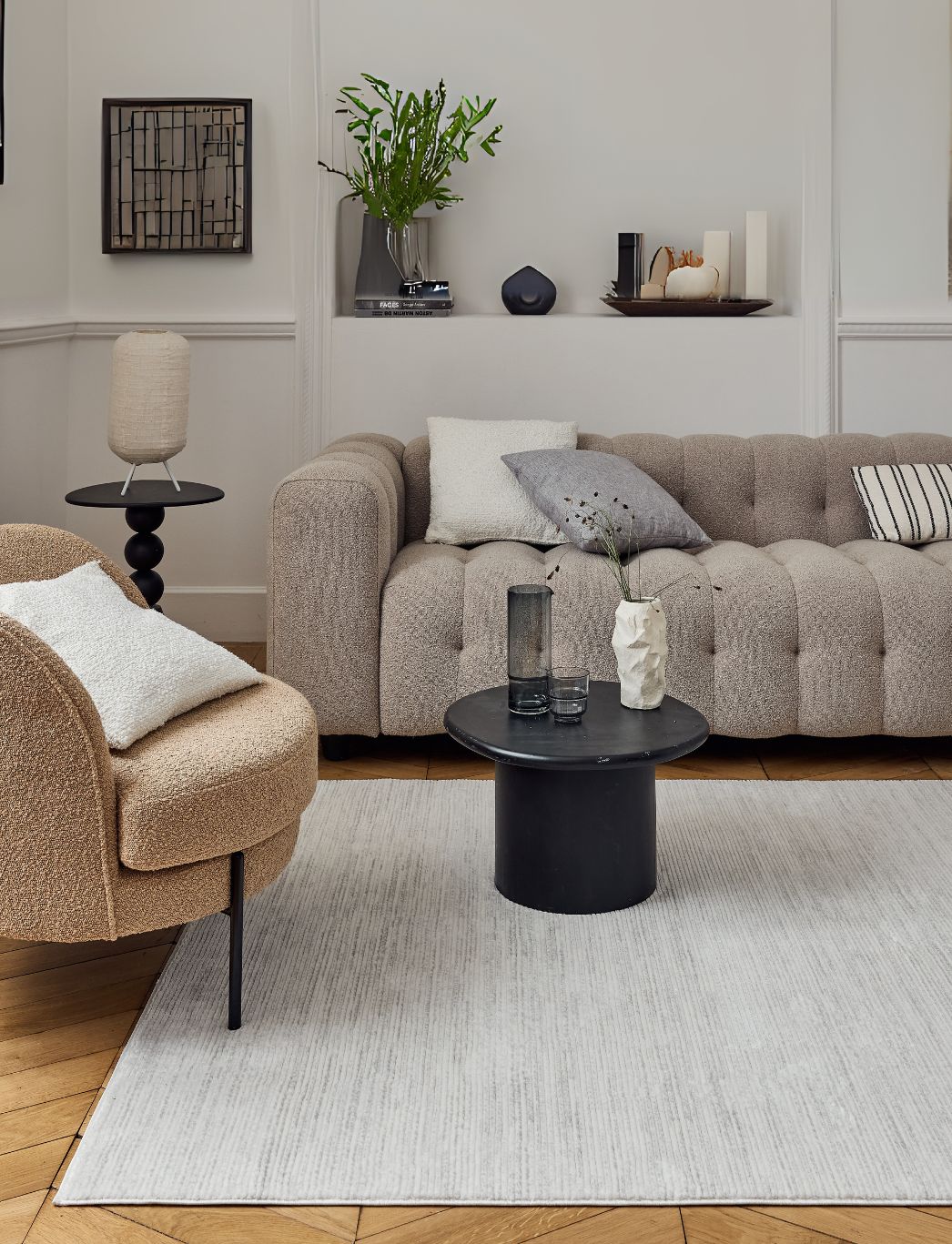
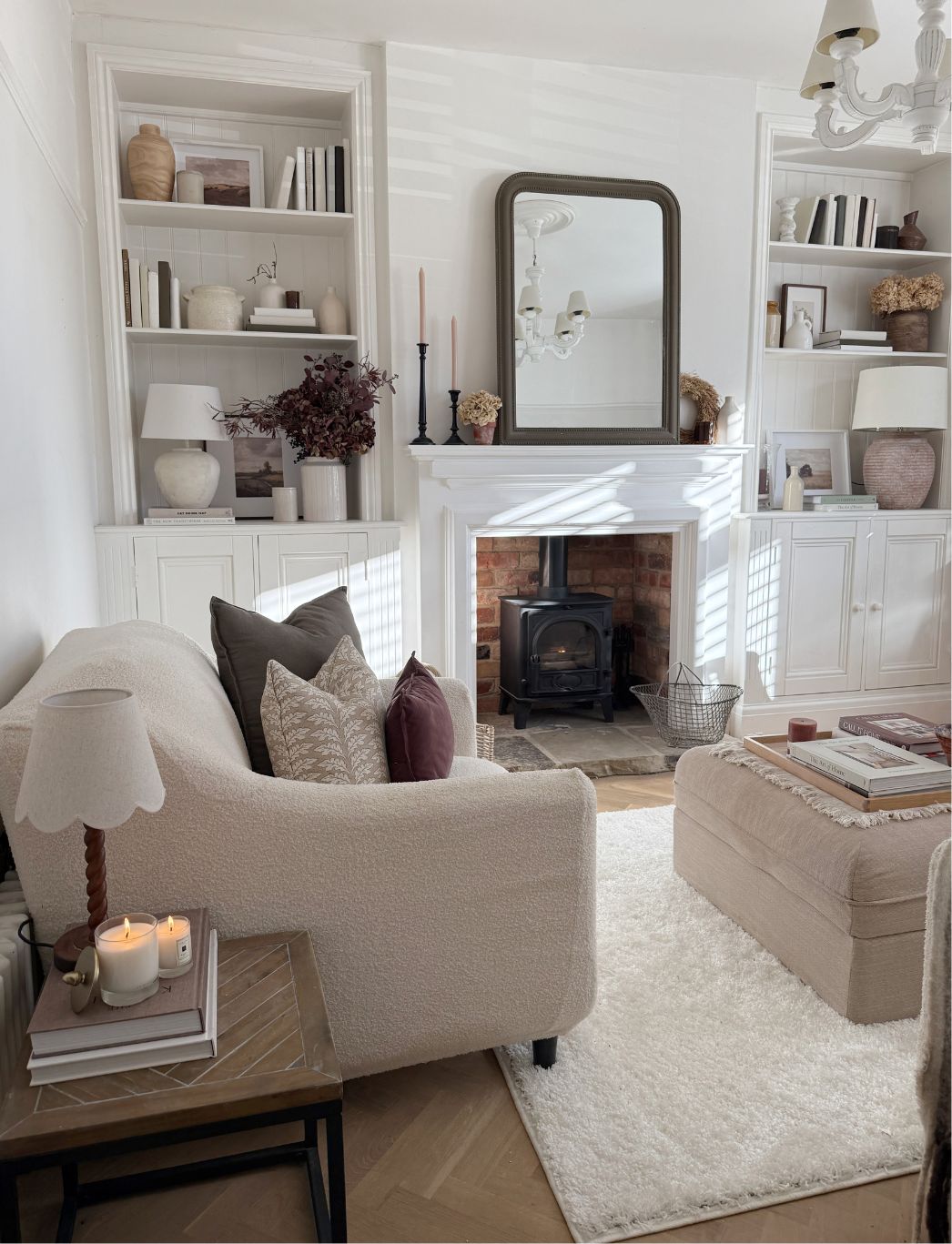
Living rooms are where Scandinavian rugs UK are most commonly used. Area rugs help define seating zones without closing off the space, maintaining an open and relaxed feel.
Low to mid-pile designs work well with sofas and coffee tables, offering comfort underfoot while keeping furniture stable and well-balanced within the room.
Bedroom Styling with Scandinavian Rugs in the UK
In bedrooms, Scandinavian rugs focus on warmth and calm. Soft textures and muted tones support rest and relaxation, especially in homes where bedrooms double as work or dressing spaces.
A Scandinavian bedroom rug placed beside or partially under the bed adds comfort without disrupting the clean aesthetic that defines Nordic interiors.
Hallways and Transitional Areas in UK Properties
Hallways in UK homes are often narrow and high traffic. Scandinavian rugs work well here due to their subtle patterning and practical construction.
Flatwoven or low-profile options allow for easy door movement while adding warmth to spaces that can otherwise feel purely functional.
Climate Considerations for Scandinavian Rugs UK
The UK climate makes durability and breathability important. Scandinavian rugs are typically designed with natural or practical fibres that cope well with seasonal changes.
Using rug pads improves insulation on colder floors and helps prevent movement on hard surfaces commonly found in British homes.
Choosing the Right Size for UK Room Layouts
Correct sizing is essential when styling Scandinavian rugs. Rugs that are too small can feel disconnected, while oversized rugs help unify furniture and make rooms feel more spacious.
In UK homes, larger rugs often work better, particularly in living rooms where they can anchor seating arrangements and visually expand the space.

Colour Preferences in Scandinavian Rugs UK
UK buyers tend to favour soft neutrals, light greys and muted earthy tones. These colours complement both period features and modern finishes without competing for attention.
A grey Scandinavian rug offers versatility across changing interiors, while warmer tones introduce subtle contrast without breaking the calm aesthetic.
Scandinavian Inspired Rugs for Practical British Living
Scandinavian inspired rugs are especially popular in the UK due to their balance of style and usability. These designs retain Nordic simplicity while focusing on durability and easy care.
They are well suited to households with children or pets, where comfort and longevity matter just as much as appearance.
Scandinavian rugs pair naturally with wooden floors, neutral carpets and stone finishes commonly found in UK homes. They also work well alongside both classic and contemporary furniture.
Repeating tones from the rug through cushions or textiles helps create cohesion without over styling the space.
Scandinavian Inspired Rugs and Adapted Nordic Design for Modern Homes
Scandinavian inspired rugs capture the essence of Nordic design while adapting it for contemporary living. Rather than replicating traditional Scandinavian pieces exactly, these rugs interpret core principles such as balance, restraint and functionality in ways that suit modern homes and everyday routines.
For homeowners who appreciate the Scandinavian aesthetic but need practicality and flexibility, inspired designs offer an accessible and reliable option.

What Defines Scandinavian Inspired Rugs
A rug Scandinavian style is built around simplicity and purpose. Scandinavian inspired rugs follow the same philosophy, focusing on clean layouts, controlled patterns and calming colour palettes.
Designs tend to avoid excess detail, allowing the rug to support the space rather than dominate it. This makes inspired rugs especially suitable for interiors that favour clarity and visual breathing room.
Scandinavian Inspired Rugs Versus Traditional Nordic Rugs
Traditional Scandinavian rugs often prioritise craftsmanship and natural textures, while inspired versions adapt these ideas using modern production methods. The result is a rug that maintains Nordic visual identity while offering greater consistency and ease of care.
This distinction matters for homes where durability, affordability and low maintenance are as important as design integrity.
Scandinavian Inspired Rugs in Living Rooms and Open Spaces
Living rooms benefit from the quiet presence of Scandinavian inspired rugs. Their understated patterns help define seating areas without creating visual barriers, maintaining flow across open or shared spaces.
Neutral bases combined with subtle contrast work well alongside sofas, shelving and mixed materials, keeping the room cohesive and relaxed.

Bedroom Styling with Scandinavian Inspired Rugs
In bedrooms, inspired Scandinavian rugs support comfort and calm. Soft textures and muted tones contribute to a restful environment without visual distraction.
Placing the rug partially beneath the bed helps anchor the layout while preserving the light and uncluttered feel typical of Nordic interiors.
Practical Advantages of Scandinavian Inspired Rugs
One of the strongest benefits of Scandinavian inspired rugs is their suitability for everyday use. Many designs prioritise durability, easy cleaning and compatibility with underfloor heating or hard flooring.
These practical qualities make inspired rugs a popular choice in family homes and rental properties where flexibility matters.
Colour Palettes in Scandinavian Inspired Rugs
Colour selection remains restrained, with greys, soft whites, beige tones and gentle contrasts taking priority. These palettes allow the rug to blend seamlessly with evolving interiors.
A grey Scandinavian rug or neutral inspired design offers longevity, adapting easily as furniture or accessories change over time.
Scandinavian Inspired Rugs and Modern Furniture Pairing
Their simplicity prevents visual competition, allowing materials such as wood, metal or fabric to stand out naturally.
This balance makes them suitable for both minimalist and softly layered interiors.
Selecting the right rug depends on room size, traffic levels and desired atmosphere. Larger rugs help unify open spaces, while smaller area rugs add warmth to specific zones.
Focusing on proportion and placement ensures the rug enhances the room rather than feeling like an afterthought.
Hand Woven Scandinavian Rugs and Craft-Led Interior Design
Hand woven Scandinavian rugs are defined by their emphasis on craftsmanship, texture and material integrity. Rather than relying on decorative complexity, these rugs use structure and weave to create visual interest. This approach aligns naturally with interiors that prioritise authentic materials and understated design.
In Scandinavian interiors, hand weaving is valued not as a luxury statement but as a way to create rugs that feel purposeful, tactile and long lasting.
Traditional Weaving Techniques and Nordic Craft Heritage
A hand woven Scandinavian rug is created through slow, methodical processes that allow each thread to contribute to the final texture. These techniques produce subtle variations in weave and tone, resulting in rugs that feel organic rather than uniform.
This craftsmanship adds depth to interiors without introducing visual noise, making hand woven rugs suitable for calm, design-led spaces.

Texture and Material Choice in Hand Woven Rugs
Material selection plays a central role in hand woven rug design. Natural fibres such as wool and cotton are commonly used for their durability, warmth and breathability.
The tactile quality of these materials enhances comfort underfoot while contributing to the layered look that defines Scandinavian interiors.
Hand Woven Scandinavian Rugs in Living Areas
In living rooms, hand woven rugs help ground seating arrangements while maintaining an open and relaxed atmosphere. Their textured surfaces add warmth to wooden or stone floors without overpowering furniture.
These rugs work particularly well in spaces where simplicity and comfort are prioritised over decorative detail.
Bedroom Styling with Hand Woven Scandinavian Rugs
Bedrooms benefit from the soft, tactile nature of hand woven Scandinavian rugs. The gentle texture supports a restful environment, complementing neutral bedding and natural fabrics.
Placing the rug beside or partially under the bed adds comfort while keeping the overall look calm and cohesive.
Colour Use in Hand Woven Scandinavian Rugs
Colour palettes in hand woven Scandinavian rugs are typically muted and natural. Shades of off-white, beige, grey and soft earth tones allow texture to take precedence over colour contrast.
This restraint ensures the rug integrates easily into a wide range of interiors without becoming visually dominant.
Durability and Everyday Use
Despite their refined appearance, hand-woven rugs are designed for everyday living. The density of the weave and quality of materials contribute to long-term performance, especially in low to medium traffic areas.
Regular care helps preserve both texture and structure over time.
Compared to machine-made rugs, hand-woven Scandinavian rugs offer greater depth and individuality. Subtle irregularities in weave create a character that cannot be replicated through mass production.
This makes hand woven designs appealing to homeowners who value authenticity and craftsmanship.
Mid Century Scandinavian Rugs in Modern Interior Design
Mid century Scandinavian rugs reflect a period where function, proportion and visual clarity defined interior design. Influenced by mid 20th century Nordic thinking, these rugs prioritise structure over ornamentation, making them especially relevant for homes that value intentional design and long-term appeal rather than passing trends.
Their enduring popularity comes from the way they combine aesthetic discipline with everyday usability.
The defining feature of mid century rug design is restraint. Patterns are often geometric, linear or softly abstract, created to complement furniture rather than compete with it. This clarity allows the rug to act as a stabilising element within the room.
In Scandinavian interiors, this approach supports visual calm while still offering enough contrast to avoid flatness.
Colour Palettes in Mid Century Scandinavian Rugs
Colour use in mid century Scandinavian rugs is deliberate and balanced. Muted tones such as warm greys, softened blues, earthy reds and off-whites are common, creating depth without visual overload.
These palettes allow rugs to integrate seamlessly with both vintage and contemporary furniture pieces.
Mid-century Rugs Designed for Living Rooms and Communal Spaces
Living rooms benefit from the structured presence of mid century Scandinavian rugs. Their measured patterns help anchor seating areas while maintaining openness, particularly in shared or open-plan spaces.
Paired with wooden furniture and clean-lined sofas, these rugs reinforce harmony and proportion within the room.
Bedroom Styling with Mid Century Scandinavian Rugs
In bedrooms, mid century rugs add character without disrupting calm. Subtle geometry and softened colour transitions create interest while supporting a restful atmosphere.
Placed under the bed or beside it, these rugs contribute warmth and structure without visual heaviness.
Materials used in mid century Scandinavian rugs often prioritise durability and texture. Wool and blended fibres provide resilience while maintaining a comfortable feel underfoot.
This focus on material integrity aligns with mid century principles of longevity and practical design.
Mid Century Scandinavian Rugs and Modern Interiors
One of the strengths of mid century Scandinavian rugs is their adaptability. They bridge the gap between traditional and modern interiors, working equally well in minimalist homes and more eclectic spaces.
Their clarity of design ensures they enhance rather than date an interior over time. Selecting the right rug involves considering scale, pattern density and colour balance. Larger patterns suit spacious rooms, while simpler designs work better in compact areas.
Ensuring the rug complements existing furniture proportions helps maintain visual flow.
Modern Scandinavian Rugs and Clean Contemporary Living
Modern Scandinavian rugs reflect today’s preference for clarity, simplicity and functional comfort. These designs refine traditional Nordic principles even further, removing excess detail and focusing on proportion, texture and balance. The result is a rug that supports modern interiors without drawing unnecessary attention to itself.
In contemporary homes, modern Scandinavian rugs act as quiet foundations rather than focal points, allowing furniture and light to lead the space.
The defining traits of modern Scandinavian design include controlled patterns, softened contrasts and intentional negative space. Rugs often feature minimal motifs or subtle textural variation instead of bold graphics.
This restraint ensures the rug enhances the room’s structure while maintaining a calm and ordered visual flow.
Colour Direction in Modern Scandinavian Rugs
Colour palettes in modern Scandinavian rugs lean towards warm neutrals, pale greys and gentle earth tones. These shades reflect light effectively, making rooms feel more open and balanced.
Occasional muted accents add depth, but colour is always secondary to harmony and usability.
Modern Scandinavian Rugs in Living Rooms
In living rooms, modern rugs help define seating areas without closing off the space. Their clean layouts support open-plan living, especially in homes where visual continuity is important.
Placed under sofas and coffee tables, these rugs create cohesion while keeping the interior light and uncluttered.
Bedroom Styling with Modern Scandinavian Rugs
Bedrooms benefit from the softness and simplicity of modern Scandinavian rugs. Low-pile textures and neutral tones contribute to a restful atmosphere, supporting sleep-focused design.
A well-sized rug adds comfort underfoot while maintaining the minimal aesthetic that modern bedrooms often aim for.
Open-plan interiors require rugs that organise space subtly. Modern Scandinavian rugs excel here by defining zones without using strong borders or heavy patterning.
This approach keeps movement fluid while still providing structure across living, dining and working areas.
Material Choices in Modern Scandinavian Rugs
Materials used in modern rug collections prioritise durability and ease of care. Wool blends, low-pile fibres and tightly woven constructions support everyday use while maintaining a refined look.
These choices align with modern lifestyles where practicality and longevity are essential.
Modern Scandinavian rugs pair best with clean-lined furniture, natural materials and neutral finishes. Their simplicity allows wood, metal and fabric textures to stand out without visual competition.
This balance makes modern rugs highly adaptable across evolving interiors.
Round Scandinavian Rugs and Softened Spatial Design
Round Scandinavian rugs introduce a sense of flow, softness and visual balance into interiors that are often dominated by straight lines. In Scandinavian design, round shapes are used intentionally to reduce rigidity and create a more welcoming atmosphere. A round rug helps a space feel calmer without altering furniture or layout.
This makes circular rugs especially effective in homes that value simplicity but want to avoid interiors feeling overly sharp or linear.
Why Round Rugs Matter in Scandinavian Interiors
In Scandinavian interiors, shape plays a key role alongside colour and texture. Round rugs counterbalance rectangular furniture, hard flooring and angular architecture, adding a subtle sense of movement.
This design choice supports the Nordic principle of harmony, where no single element feels dominant or disruptive.
Round Scandinavian Rugs in Living Rooms
In living rooms, round Scandinavian rugs work best as accent pieces rather than full coverage rugs. They are often used to soften seating corners, reading areas or smaller conversational zones.
Placed beneath a coffee table or between armchairs, a round rug creates cohesion without enclosing the space.
Dining Areas and Circular Rug Placement
Round rugs are a natural fit beneath round dining tables, reinforcing symmetry and proportion. In Scandinavian dining spaces, this pairing creates visual calm while keeping the layout practical and uncluttered.
Choosing a rug large enough to accommodate chairs maintains comfort and avoids disrupting movement.
Bedroom Styling with Round Scandinavian Rugs
In bedrooms, round rugs add warmth and softness without overwhelming the room. They are commonly placed beside the bed or near dressing areas to introduce comfort underfoot.
This approach works particularly well in smaller bedrooms where full-size rugs may feel visually heavy.
Material and Texture Choices for Round Scandinavian Rugs
Materials used in round Scandinavian rug design often prioritise softness and tactility. Wool and low-pile fibres provide comfort while maintaining a clean, structured look.
Texture takes precedence over pattern, allowing the rug to blend naturally into the surrounding space.
Colour Direction in Round Scandinavian Rugs
Colour palettes remain restrained, with neutral tones, soft greys and gentle earth shades dominating circular rug designs. These colours enhance the calming effect of the round shape rather than competing with it.
Subtle contrast can be introduced through weave or texture rather than bold colour changes.
Round Rugs in Open and Compact Spaces
Round Scandinavian rugs are equally effective in compact and open spaces. In smaller rooms, they prevent visual overcrowding, while in larger areas they help break up linear layouts.
Their versatility makes them a flexible styling tool across different room sizes.
Round rugs pair best with simple furniture forms and natural materials. Clean-lined sofas, wooden tables and minimal accessories allow the rug’s shape to stand out without clashing.
This pairing reinforces balance and keeps the interior visually calm.
Scandinavian Area Rugs and Defined Living Spaces
Scandinavian area rugs are designed to create structure, comfort and visual cohesion within a room. Rather than filling space, these rugs define it, helping furniture feel connected while maintaining the light and uncluttered feel associated with Nordic interiors. Their role is subtle but essential, especially in homes that value flow and functionality.
In Scandinavian design, an area rug acts as a grounding layer that supports daily living without drawing focus away from the room itself.

The Role of Area Rugs in Scandinavian Interiors
Within Scandinavian interiors, area rugs help organise open layouts and shared spaces. By anchoring furniture groups, they introduce clarity without the need for physical dividers or heavy styling.
This approach supports the Nordic preference for open, breathable environments where each element has a clear purpose.
Scandinavian Area Rugs in Living Rooms
Living rooms are where Scandinavian area rugs are most effective. Positioned beneath sofas and coffee tables, they help define seating zones while keeping the space visually open.
Neutral tones and restrained patterns ensure the rug complements furniture rather than competing with it, reinforcing balance and proportion.
Dining Areas and Scandinavian Area Rug Placement
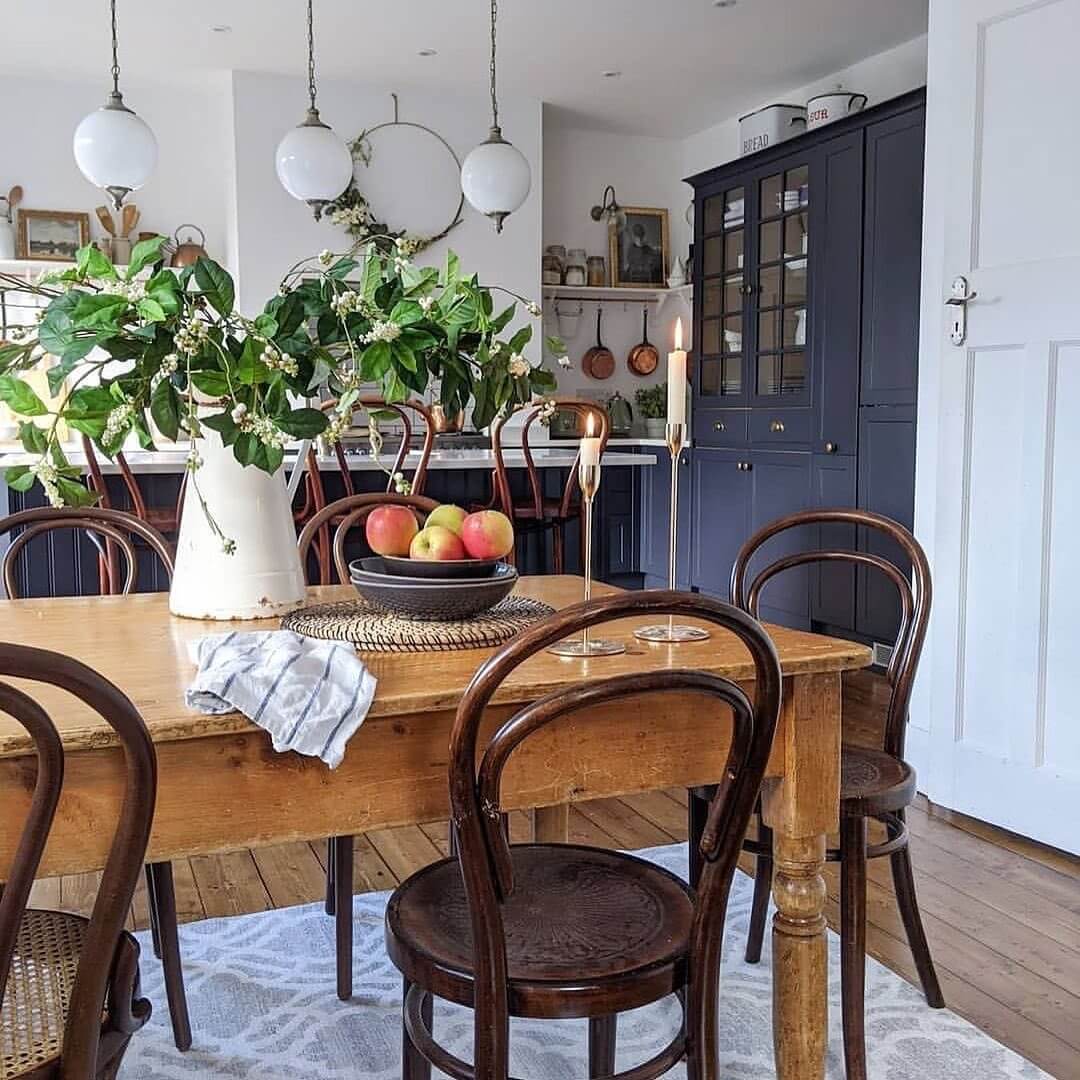
In dining spaces, area rugs provide both comfort and structure. A well-sized rug beneath the table helps frame the dining zone and adds warmth to hard flooring.
Scandinavian designs prioritise simplicity here, using subtle textures and calm colour palettes to maintain a clean and inviting atmosphere.
Open-plan homes benefit greatly from Scandinavian area rugs. Rugs can separate living, dining and working zones without interrupting flow or light.
This zoning technique allows each area to feel intentional while preserving the sense of openness that defines Scandinavian-inspired layouts.
Material Choices for Scandinavian Area Rugs
Materials used in area rug construction often focus on durability and comfort. Wool and low-pile fibres provide resilience while maintaining a soft feel underfoot.
These materials support everyday use and align with Scandinavian values of practicality and longevity.
Colour and Pattern in Scandinavian Area Rugs
Colour palettes remain muted, with soft greys, warm neutrals and gentle contrasts taking priority. Patterns are minimal and often geometric, adding interest without visual clutter.
This restraint allows area rugs to adapt easily as furniture or accessories change over time.

Scandinavian Area Rugs in Bedrooms and Multi-Use Spaces
In bedrooms and flexible rooms, area rugs help define sleeping or lounging zones while adding comfort. They soften the space without overwhelming it, particularly in compact layouts.
This makes them a practical choice for UK homes where rooms often serve multiple purposes.
Correct sizing is crucial when using Scandinavian area rugs. Rugs should extend beneath key furniture pieces to create cohesion rather than appearing disconnected.
Larger rugs often work better than expected, helping rooms feel more expansive and unified.
Large Scandinavian Rugs and Unified Interior Scale
Large Scandinavian rugs are designed to create visual unity and spatial flow rather than acting as decorative accents. In Scandinavian interiors, scale is used intentionally, and larger rugs help rooms feel calmer and more cohesive by grounding multiple furniture pieces within a single visual plane.
This approach is especially effective in homes where openness, light and balance are prioritised over segmented layouts.
In Scandinavian design, proportion plays a central role. A rug that is too small can fragment a room, while a larger rug brings structure and continuity. Large rugs reduce visual interruption, allowing furniture, flooring and architecture to interact more naturally.
This principle supports the Nordic preference for interiors that feel effortless rather than overstyled.
Large Scandinavian Rugs in Living Rooms
Living rooms benefit greatly from large-format rugs that sit beneath sofas, armchairs and coffee tables. This placement creates a defined seating area without enclosing the space, maintaining openness while improving comfort.
Neutral tones and subtle textures help large rugs blend seamlessly into the room, supporting a relaxed and inviting atmosphere.

Open-Plan Spaces and Large Rug Placement
In open-plan layouts, large Scandinavian rugs are often used to unify zones rather than divide them. A single oversized rug can connect seating and dining areas visually, reducing the need for multiple smaller rugs that break flow.
This technique enhances clarity while preserving the spacious feel that Scandinavian interiors are known for.
Bedrooms and Oversized Scandinavian Rugs
Bedrooms feel more grounded when styled with large rugs that extend beyond the bed. This placement adds warmth underfoot and visually anchors the sleeping area without clutter.
Soft textures and muted colour palettes support calm, making oversized rugs particularly suitable for restful environments.
Material Choices for Large Scandinavian Rugs
Material selection is especially important at larger scales. Wool blends and low-pile constructions are commonly used to ensure durability, comfort and ease of care.
These materials maintain their appearance over time, even when covering significant floor areas.
Colour palettes remain restrained in large Scandinavian rugs, with warm neutrals, light greys and soft earth tones dominating. These shades prevent the rug from overwhelming the space while still providing depth.
Subtle tonal variation adds interest without introducing visual noise.
Furniture Pairing with Large Scandinavian Rugs
Large rugs work best with clean-lined furniture and natural materials. Wooden frames, neutral upholstery and minimal accessories allow the rug to support the room rather than compete with it.
This pairing reinforces balance and keeps the interior visually calm. In UK homes, large Scandinavian rugs help insulate rooms and reduce noise, particularly in properties with hard flooring. They also minimise visible wear by distributing foot traffic more evenly.
These practical advantages make oversized rugs a sensible as well as aesthetic choice.

Scandinavian Bedroom Rugs and Calm, Sleep-Focused Interiors
Scandinavian bedroom rugs are designed to support rest, comfort and visual quiet. In Nordic interiors, the bedroom is treated as a restorative space, and rugs play a subtle but important role in softening the room without introducing distraction. The emphasis is on gentle texture, balanced colour and a sense of ease rather than decoration.
This makes Scandinavian bedroom rugs particularly suitable for homes that value calm routines and uncluttered environments. In Scandinavian bedroom design, rugs are used to create warmth and definition while keeping the space light and breathable. Rather than filling the floor, a well-placed rug frames the bed area and adds comfort where it is most needed.
This approach allows the room to feel intentional without becoming visually heavy.
Scandinavian Bedroom Rugs and Comfort Underfoot
Comfort is central to bedroom rug selection. Soft, low-pile or lightly textured rugs provide warmth underfoot, especially on wooden or laminate flooring common in Scandinavian and UK homes.
The tactile quality of the rug enhances everyday comfort while maintaining a clean, minimal look.
Placement is key when styling Scandinavian bedroom rugs. Rugs are often positioned partially under the bed, extending on either side to create balance and symmetry.
Smaller rugs can also be placed beside the bed or near dressing areas to add softness without covering unnecessary floor space.
Colour Choices for Scandinavian Bedroom Rugs
Colour palettes remain calm and muted in bedroom-focused Scandinavian rugs. Soft greys, warm neutrals and pale earth tones help create a relaxed atmosphere that supports sleep.
Avoiding high contrast or bold patterning ensures the rug contributes to tranquillity rather than visual stimulation.
Texture and Material Selection in Bedroom Rugs
Materials used in Scandinavian bedroom rugs are chosen for comfort as much as appearance. Wool and wool-blend rugs offer natural warmth and breathability, while low-pile constructions maintain a tidy, uncluttered feel.
Texture often replaces pattern, adding depth without visual noise.
Scandinavian Bedroom Rugs in Small Spaces
In smaller bedrooms, Scandinavian rugs help soften the room without overwhelming it. Choosing lighter tones and simpler designs helps maintain a sense of openness.
Correct sizing is especially important, as rugs that are too small or poorly placed can disrupt the room’s balance.
A well-chosen bedroom rug supports visual harmony by connecting the bed, flooring and surrounding furniture. Repeating tones from the rug in bedding or cushions enhances cohesion without over styling.
This layered approach feels natural and relaxed, aligning with Scandinavian design values.
Practical Considerations for Bedroom Use
Bedroom rugs experience less foot traffic than living areas, allowing for slightly softer constructions. However, easy maintenance and durability remain important, particularly in homes where bedrooms serve multiple purposes.
Regular vacuuming and gentle care help preserve texture and appearance over time.
Black and White Scandinavian Rugs and Graphic Simplicity in Interiors
Black and white Scandinavian rugs focus on contrast, clarity and visual balance rather than decoration. In Nordic interiors, black and white is used to introduce structure without overwhelming a space. The pairing feels intentional and calm, offering definition while preserving the light and open qualities Scandinavian design is known for.
This colour combination works particularly well in homes that favour simplicity but still want visual interest.
In Scandinavian interiors, contrast is applied with restraint. Black and white rugs use light and dark elements to guide the eye gently rather than dominate the room.
This controlled contrast helps define areas, anchor furniture and add depth without introducing colour complexity.
Black and White Scandinavian Rugs in Living Rooms
Living rooms benefit from the graphic clarity of black and white rugs. Clean lines and simple patterns help ground seating areas while keeping the room visually open.
Paired with neutral furniture and natural materials, these rugs create a balanced focal point without disrupting flow.
Pattern Styles in Black and White Scandinavian Rugs
Patterns in black and white Scandinavian rugs are typically geometric, linear or softly abstract. These designs echo architectural forms and furniture lines, reinforcing harmony within the space.
The absence of colour allows pattern and proportion to take centre stage.

Using Black and White Rugs in Minimal Interiors
Minimal interiors rely on subtle contrast to avoid feeling flat. Black and white rugs provide this contrast while maintaining a clean and composed aesthetic.
They work particularly well in spaces with white walls, pale wood flooring and understated accessories.
Black and White Scandinavian Rugs in Bedrooms
In bedrooms, black and white rugs are used more sparingly. Softer patterns and lighter ratios of white help maintain a calm atmosphere while still adding definition.
Placed beside or partially under the bed, these rugs introduce structure without disturbing rest-focused design.
Material and Texture Considerations
Texture plays an important role in black and white rug design. Wool and low-pile materials soften the graphic look, preventing it from feeling harsh or cold.
Subtle texture ensures the rug feels welcoming as well as visually balanced.
Black and white Scandinavian rugs pair best with simple furniture silhouettes and natural finishes. Wood tones, soft textiles and matte surfaces help balance the sharpness of contrast.
Repeating small black accents elsewhere in the room creates cohesion without over styling. From a practical perspective, black and white rugs hide everyday wear better than plain light rugs while still feeling fresh and clean.
This makes them suitable for living rooms, hallways and shared spaces in busy homes.
Choosing Black and White Scandinavian Rugs for UK Homes
In UK interiors, black and white Scandinavian rugs suit both modern and period properties thanks to their versatility. At The Rugs, black and white Scandinavian style rugs are selected to offer graphic clarity, durability and everyday comfort, making them easy to live with.
Black and white Scandinavian rugs show how contrast can be used thoughtfully, bringing structure and calm together within timeless interiors.

Green Scandinavian Rugs and Nature-Led Interior Balance
Green Scandinavian rugs reflect the Nordic connection to nature, calm living and visual balance. Green is used not as a statement colour but as a grounding presence that supports relaxed interiors. In Scandinavian design, green tones help soften spaces while maintaining clarity and simplicity.
This makes green rugs particularly suitable for homes that value comfort, light and a sense of ease. In Scandinavian interiors, green is associated with restoration, balance and organic living. Rather than bright or saturated shades, Scandinavian rugs favour muted greens that feel natural and understated.
These tones create a subtle link between interior spaces and the outdoors, reinforcing calm without distraction.
Green Scandinavian Rugs in Living Rooms
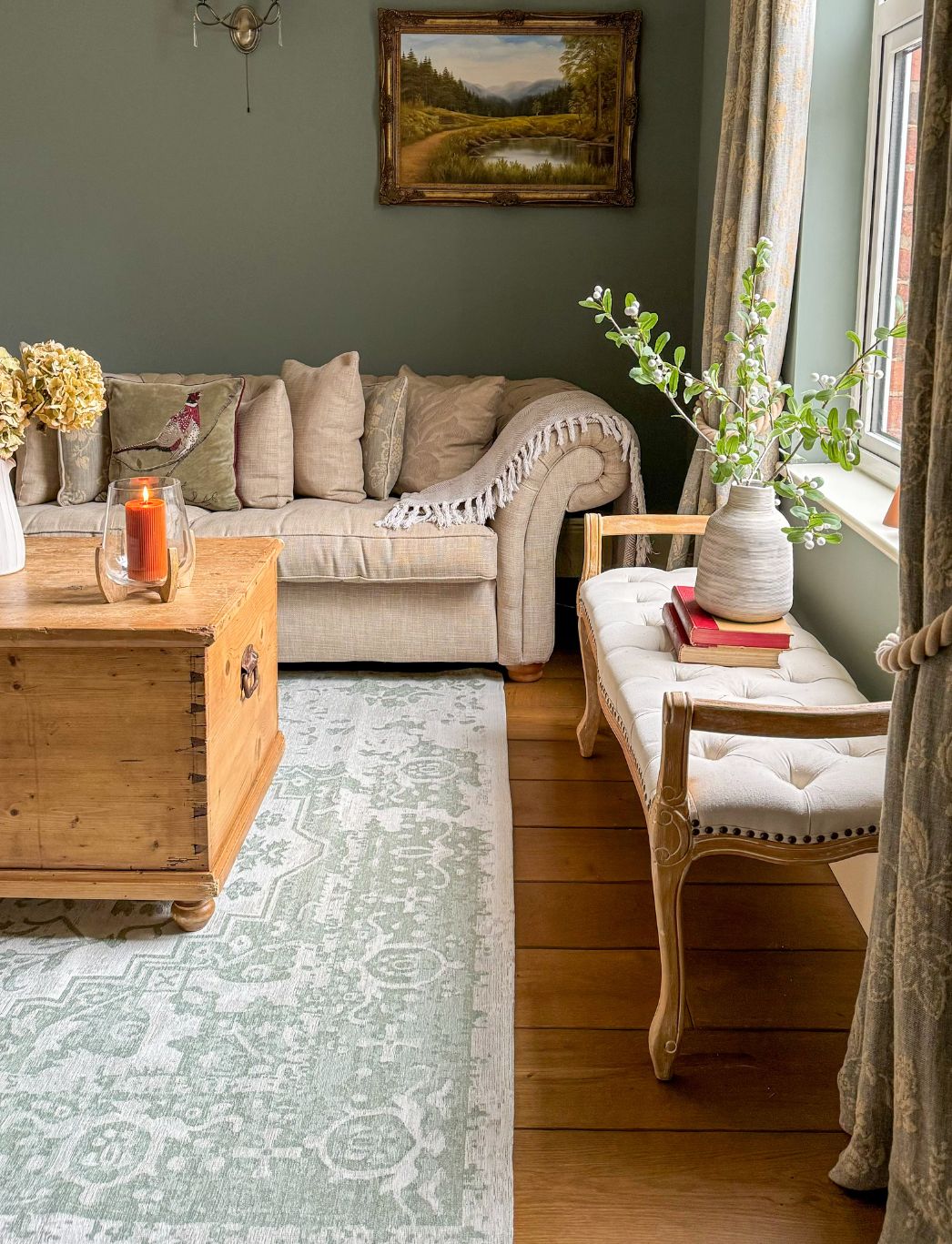
Living rooms benefit from the grounding effect of green Scandinavian rugs. Soft green tones help anchor seating areas while keeping the space visually open and welcoming.
Paired with neutral sofas, wooden furniture and natural textiles, green rugs add depth without overwhelming the room.
Bedroom Styling with Green Scandinavian Rugs
In bedrooms, green Scandinavian rugs support relaxation and rest. Muted greens work particularly well alongside soft bedding and minimal décor, contributing to a sleep-focused environment.
Placed partially under the bed or beside it, these rugs add warmth while preserving visual quiet.
Shades of Green Used in Scandinavian Rugs
Scandinavian rugs often feature sage, olive, moss and muted forest greens. These shades are chosen for their versatility and ability to adapt across different lighting conditions.
Lighter greens help brighten compact rooms, while deeper tones add richness to larger spaces.
Material and Texture in Green Scandinavian Rugs
Material choice enhances the calming effect of green rugs. Wool and low-pile fibres add warmth and softness, while subtle texture prevents the colour from feeling flat.
Texture often replaces pattern, keeping the overall look clean and cohesive.
In open-plan layouts, green Scandinavian rugs help define zones gently. The colour creates separation without visual barriers, supporting flow between living, dining and working areas.
This approach maintains openness while adding structure.
Styling Green Rugs with Scandinavian Furniture
Green rugs pair naturally with light woods, neutral upholstery and soft textiles. Repeating green accents through plants or cushions helps create cohesion without overstyling.
This layered approach feels organic and intentional.
From a practical perspective, green rugs are forgiving in everyday use. They disguise minor marks better than very light tones while still maintaining a fresh appearance.
This makes them suitable for family homes and shared living spaces.

Grey Scandinavian Rugs and Timeless Interior Versatility
Grey Scandinavian rugs are valued for their ability to provide balance, depth and adaptability without drawing attention away from the space itself. In Nordic interiors, grey acts as a stabilising tone that supports light, texture and form. It is neither dominant nor passive, making it one of the most reliable colour choices in Scandinavian design.
This versatility explains why grey rugs continue to appear across a wide range of interior styles and room types. In Scandinavian interiors, grey is used to soften contrasts and create cohesion. Rather than appearing cold, Scandinavian greys are typically warm or mid-toned, helping spaces feel calm and welcoming.
Grey works as a bridge between light walls, wooden floors and neutral furnishings, ensuring visual continuity.
Grey Scandinavian Rugs in Living Rooms
Living rooms benefit from the grounded presence of grey Scandinavian rugs. The colour anchors seating areas while allowing other design elements, such as furniture and lighting, to stand out naturally.
Grey rugs are especially effective in open-plan living spaces where visual flow is important.

Bedroom Styling with Grey Scandinavian Rugs
In bedrooms, grey rugs support a restful atmosphere. Soft grey tones complement neutral bedding and natural textures, helping create a calm and cohesive environment.
Low-pile or lightly textured grey rugs add comfort underfoot without disrupting the room’s visual balance.
Shades and Tones in Grey Scandinavian Rugs
Scandinavian rugs often feature warm greys, stone tones and soft charcoal shades. These variations add depth while remaining easy to style across different interiors.
Lighter greys help reflect light in compact rooms, while darker greys add contrast in more spacious layouts.
Material and Texture in Grey Scandinavian Rugs
Texture plays a key role in preventing grey rugs from feeling flat. Wool, woven blends and subtle pile variation introduce warmth and tactile interest.
This focus on texture aligns with Scandinavian design’s preference for material-led detail over bold patterning. In rooms that serve multiple purposes, grey Scandinavian rugs offer flexibility. Their neutrality allows them to adapt as furniture or room functions change over time.
This makes grey rugs a practical choice for family homes and rental properties.
Pairing Grey Rugs with Scandinavian Furniture
Grey rugs pair easily with light woods, soft whites and muted accent colours. This compatibility makes styling straightforward while maintaining a cohesive look.
Repeating grey tones through cushions or throws can enhance balance without over styling. From a practical perspective, grey rugs hide everyday wear better than very light colours while still feeling fresh and clean.
They are well suited to high-use areas such as living rooms and hallways.

Red Scandinavian Rugs and Controlled Warmth in Nordic Interiors
Red Scandinavian rugs introduce warmth, depth and character without overpowering the space. In Nordic design, red is used sparingly and thoughtfully, often in muted or earthy tones that feel grounded rather than bold. This controlled use of colour allows red rugs to add personality while remaining calm and balanced.
When applied with restraint, red becomes an accent that enhances comfort rather than dominating the room.
The Meaning of Red in Scandinavian Design
Within Scandinavian interiors, red is associated with warmth, protection and human presence. Instead of bright or saturated shades, Nordic design favours softened reds inspired by natural pigments.
These tones add emotional warmth while maintaining the understated elegance that defines Scandinavian spaces.
Red Scandinavian Rugs in Living Rooms
Living rooms benefit from the subtle energy of red Scandinavian rugs. Muted red tones help anchor seating areas and introduce contrast without disrupting visual flow.
Paired with neutral furniture and natural materials, red rugs add richness while keeping the space relaxed and welcoming.
Bedroom Styling with Red Scandinavian Rugs
In bedrooms, red rugs are used more selectively. Earthy reds and terracotta-inspired tones create warmth without overstimulation, supporting a calm and restful environment.
Smaller rugs beside the bed or partially placed underneath add comfort while preserving visual balance.
Shades of Red Used in Scandinavian Rugs
Scandinavian rugs often feature brick red, rust, muted burgundy and clay tones. These shades feel organic and timeless, adapting well to different lighting conditions.
Lighter reds bring warmth to compact rooms, while deeper tones add depth in larger spaces. Texture plays a crucial role in red rug design. Wool and woven fibres soften the colour, preventing it from feeling harsh or dominant.
Subtle texture adds visual interest while allowing the colour to sit comfortably within the space.
Red Scandinavian Rugs for Open and Communal Interiors
In open-plan interiors, red Scandinavian rugs help define zones without creating visual barriers. The warmth of red introduces separation while maintaining flow and openness.
This makes red rugs effective in living and dining combinations where gentle zoning is needed. Red rugs pair best with light woods, soft greys and neutral textiles. Keeping surrounding elements simple allows the rug to stand out without overwhelming the room.
Repeating small red accents through cushions or artwork helps create cohesion.
From a practical perspective, red rugs disguise everyday wear better than very light tones. This makes them suitable for living rooms and shared areas where durability matters.
Choosing low-pile or tightly woven designs supports easy maintenance.
Choosing Red Scandinavian Rugs for UK Homes
In UK interiors, red Scandinavian rugs offer warmth without heaviness, making them suitable for both modern and period properties. At The Rugs, red Scandinavian style rugs are selected to balance controlled colour, durability and everyday comfort, ensuring they remain easy to live with.
Red Scandinavian rugs show how warmth and restraint can coexist, adding character to interiors while staying true to Nordic design principles.
PEOPLE ALSO ASKED
What is a Scandinavian rug called?
A Scandinavian rug is commonly referred to by names linked to Nordic weaving traditions, such as rya rugs, flatwoven Nordic rugs, or simply Scandinavian style rugs. In modern usage, the term usually describes rugs that follow Nordic design principles rather than a single historic name, focusing on simplicity, function and material quality.
What is the Scandinavian rug crossword clue with 3 letters?
The most common 3-letter crossword clue for a Scandinavian rug is rya. A rya rug is a traditional Nordic rug known for its thick pile and tactile texture, originally used to provide warmth in colder climates.
What are Scandinavian rugs made of?
Most Scandinavian rugs are made from wool, cotton or wool blends. Wool is especially valued for its durability, warmth and natural resistance to dirt. Flatwoven designs may also include cotton foundations to provide structure and stability.
What materials are used in Scandinavian style?
Scandinavian style prioritises natural and breathable materials. In rugs, this typically includes wool, cotton, jute and sometimes linen. These materials are chosen for their longevity, comfort and environmental suitability, rather than decorative effect.
Do Scandinavians use rugs?
Yes, Scandinavians regularly use rugs as part of everyday interiors. Rugs are used to add warmth, improve comfort and soften hard flooring, particularly in colder climates. Rather than being purely decorative, rugs serve a functional role in Nordic homes.
What is a Scandinavian-style rug?
A Scandinavian-style rug is defined by clean lines, muted colours and restrained patterning. The focus is on balance and usability rather than bold decoration. These rugs are designed to support the space quietly, making them suitable for both modern and traditional interiors.
What makes authentic Scandinavian rugs different from other minimalist designs?
Authentic Scandinavian rugs differ from generic minimalist designs through their material integrity and cultural context. Nordic rugs are shaped by climate and lifestyle, prioritising warmth, durability and tactile comfort rather than visual minimalism alone.
How do I style a Scandinavian rug in my living room without overwhelming the space?
To style a Scandinavian rug successfully, focus on proportion and restraint. Choose a rug large enough to sit under key furniture pieces, use neutral or muted tones, and allow negative space around the rug so the room feels open rather than crowded.
Are wool Scandinavian rugs worth the investment compared to synthetic options?
Wool Scandinavian rugs are generally worth the investment due to their durability, comfort and longevity. Wool fibres age well, resist flattening and regulate temperature naturally, making them more suitable for long-term use than many synthetic alternatives.
What colours and patterns are traditional in genuine Scandinavian rug design?
Traditional Scandinavian rug colours include greys, off-whites, soft blacks, muted blues and earthy reds. Patterns are typically geometric, linear or subtly textured, designed to add structure without visual overload.
How do you clean and maintain a vintage Scandinavian rug without damaging it?
Cleaning a vintage Scandinavian rug requires a gentle approach. Regular low-suction vacuuming, limited moisture and professional cleaning when needed help preserve fibres and colour. Avoid harsh chemicals, as natural materials can be sensitive over time.
What's the difference between Swedish, Danish, and Norwegian rug styles?
Swedish rugs often feature structured geometry and flat-woven techniques, Danish rugs lean towards simplicity and soft neutrality, while Norwegian rugs, such as rya styles, emphasise thicker pile and warmth. Each reflects regional lifestyle and climate differences.
Can Scandinavian rugs work in modern homes that aren't strictly minimalist?
Yes, Scandinavian rugs work well in a wide range of modern homes. Their neutral palettes and balanced designs allow them to complement eclectic, contemporary or transitional interiors without requiring a fully minimalist setting.
How much should I expect to pay for a high-quality Scandinavian area rug?
A high-quality Scandinavian area rug typically ranges from mid to higher price points depending on materials, size and construction . Wool rugs generally cost more upfront but offer better long-term value due to durability and timeless design.
What are the most sustainable materials used in authentic Scandinavian rugs today?
Sustainable Scandinavian rugs often use responsibly sourced wool, organic cotton and natural dyes. These materials align with Nordic values of environmental responsibility, longevity and low-impact production.
How do I know if my Scandinavian rug is authentic or mass-produced?
An authentic Scandinavian rug usually shows material quality, thoughtful construction and subtle variation rather than perfect uniformity. Natural fibres, clear weave definition and restrained design choices are key indicators, while overly synthetic finishes often signal mass production.
Leave a comment