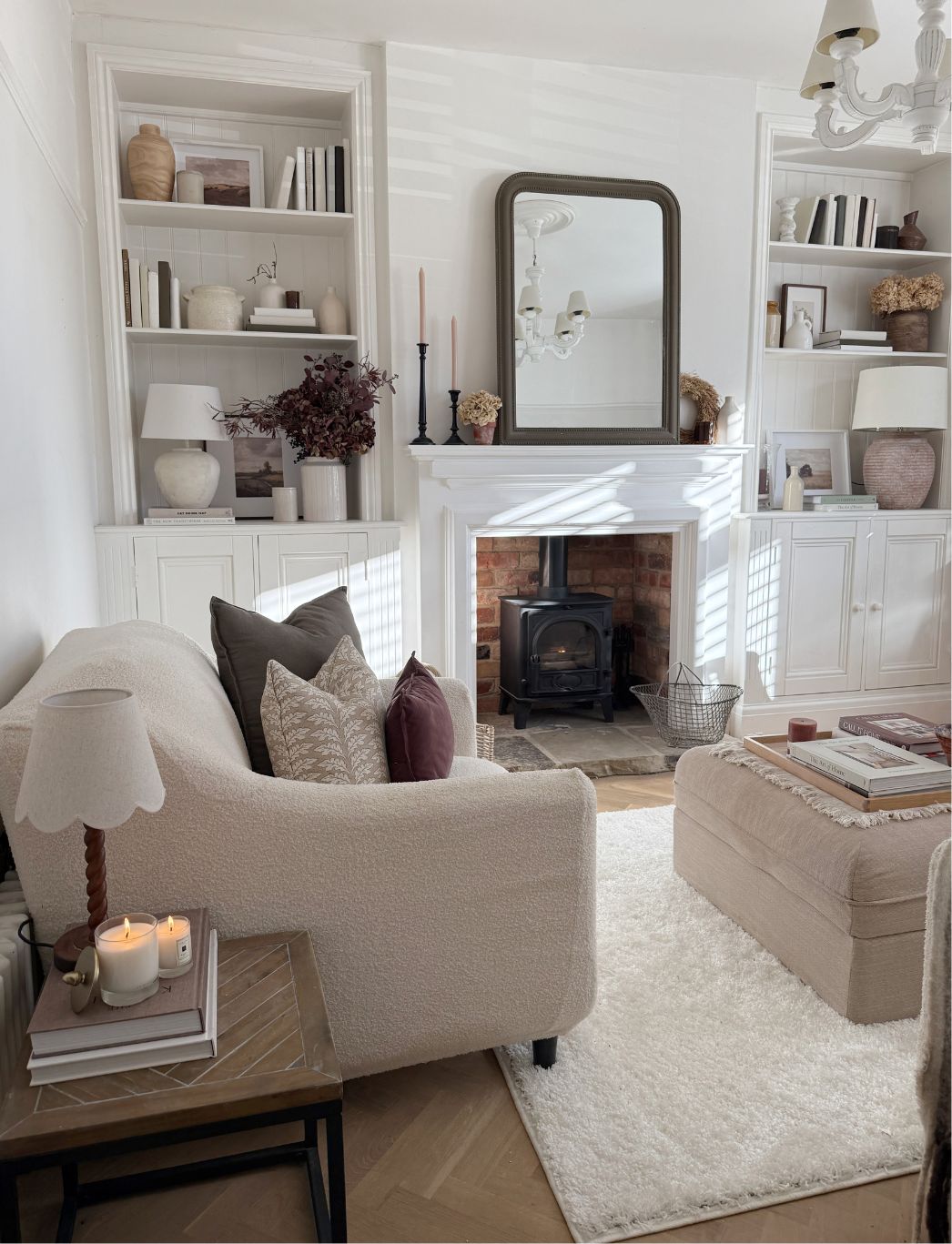
Grey Rugs
 Beige Rugs
 Cream Rugs
 White Rugs
 Black Rugs
 Brown Rugs
 Blue Rugs
 Duck Egg Blue Rugs
 Green Rugs
 Pink Rugs
 Multicolour Rugs
 Yellow Rugs
 Red Rugs
 Terra Rugs
 Orange Rugs


Turkish Rug Carpet as a Design Category with Global Influence

Turkish rugs sit at the intersection of cultural heritage and everyday interior design. Their influence extends far beyond their place of origin, shaping rug styles used in homes across the UK and Europe. What defines this category is not a single look, but a shared design language built on balance, proportion and purposeful pattern. Understanding Turkish rugs as a category helps distinguish them from trend-led alternatives and explains their continued relevance in both classic and contemporary interiors.
Rooted in regional weaving traditions from Turkey, Turkish rugs have evolved while retaining recognisable structural and visual principles that continue to guide modern interpretations.

Cultural Foundations and the Logic Behind Turkish Rug Design
Turkish rug design is shaped by meaning as much as appearance. Patterns, layouts and colour relationships developed through use, symbolism and regional identity rather than decoration alone. This cultural logic explains why many Turkish rug designs feel balanced and intentional, even when visually complex.
For homeowners and designers, this foundation offers more than aesthetic value. It provides a reliable framework for choosing rugs that feel grounded and coherent within a space, rather than purely decorative.
Materials, Weaving Traditions and Functional Performance
The materials used in Turkish rug carpets play a central role in how they look, feel and perform. Wool, cotton and silk have historically been selected for their durability, flexibility and ability to hold colour. Weaving techniques determine pile height, texture and longevity, directly influencing where and how a rug can be used.
This material awareness is essential when assessing suitability for UK homes, where climate, flooring types and daily use all affect long-term performance.
Turkish Rugs in Contemporary British Interiors
In the UK, Turkish rugs are valued for their ability to adapt to varied architectural styles and room layouts. They work as grounding elements in period properties and as contrast pieces in modern homes with clean lines and neutral palettes.
Rather than dominating a space, Turkish rugs often function as structural anchors, helping define zones, soften hard surfaces and introduce visual rhythm without overwhelming the room.
Interpreting Tradition Through Modern and Inspired Designs
Not all Turkish rugs are traditional or antique. Modern Turkish rugs UK collections and Turkish inspired designs reinterpret classic elements using simplified patterns, adjusted colour palettes and practical constructions. These adaptations respond to contemporary living needs while maintaining a connection to traditional design principles.
This evolution allows Turkish-style rugs to remain accessible and relevant, offering options that suit both design-led interiors and everyday family homes.

Navigating the Turkish Rug Landscape with Confidence
The breadth of Turkish rug styles can feel overwhelming without context. Understanding how design, material, construction and use intersect makes it easier to assess quality and suitability. This series is designed to provide that clarity, helping readers navigate Turkish rugs with informed confidence rather than impulse decisions.
Each section of the collection builds on this foundation, offering focused insight into styles, materials, colours, placement and care, all guided by practical expertise rather than surface-level trend commentary. If you are ready to discover more in-depth information about Turkish rug carpets and take your home décor to a whole new level, let’s get started!
Turkish Rug Carpet and Turkish Rug Styles for Modern Homes
Turkish rug carpet designs have become a timeless choice for homeowners who want warmth, character and cultural depth in their interiors. A Turkish rug brings together heritage craftsmanship and everyday practicality, making it suitable for both traditional and contemporary UK homes. From richly patterned statement pieces to softer modern interpretations, Turkish rugs continue to influence interior design trends across the UK.
Rooted in centuries of weaving tradition from Turkey, these rugs are admired for their artistry, durability and ability to anchor a space without overpowering it.
Traditional Turkish Rug Patterns with Cultural Detail
Traditional Turkish rug patterns are instantly recognisable for their symbolic motifs and balanced compositions. Designs often include geometric forms, medallions and repeating borders that reflect regional stories and craftsmanship passed down through generations.
These rugs work beautifully in living rooms and dining areas where they can act as a visual focal point. When paired with neutral furniture, traditional patterns add depth and interest without feeling dated, especially in period homes or character properties.
Turkish Kilim Rugs and Flatwoven Appeal
Turkish kilim rugs are flat-woven, lightweight and full of texture. Unlike thicker pile rugs, kilims sit closer to the floor, making them ideal for layering or for rooms where doors and furniture need easy movement.
They are especially popular in open-plan spaces, hallways and kitchens where a relaxed, lived-in feel is desired. Kilim rugs blend effortlessly with wooden floors and minimalist interiors while still adding warmth and colour. Over time, natural dyes fade into muted tones that suit modern interiors surprisingly well.
These rugs are perfect for creating contrast in contemporary homes, adding soul to sleek spaces or complementing rustic decor. Even a single vintage piece can make a room feel collected rather than styled.

Modern Turkish Rugs UK with Updated Designs
For those who prefer cleaner lines, modern Turkish rugs UK collections reinterpret classic motifs using simplified patterns and calmer colour palettes. These designs maintain the essence of Turkish weaving while fitting seamlessly into modern living.
They work particularly well in apartments and new-build homes where a subtle nod to tradition adds warmth without overwhelming the space.
Turkish Rug Runner Options for Hallways and Kitchens
A Turkish rug runner is a practical way to introduce pattern into narrow spaces such as hallways, corridors and kitchens. Runners guide the eye through a space while protecting high-traffic flooring.
Flatwoven and low-pile options are especially suitable for these areas, offering easy maintenance alongside visual interest.
Turkish Silk Rugs and Refined Luxury
Known for their refined detailing and subtle shine, Turkish silk rugs are best suited to quieter rooms like bedrooms or formal sitting areas, allowing their craftsmanship to be appreciated at close range.
Silk rugs bring an elegant finish to a space and pair beautifully with soft lighting and refined furnishings.
Turkish Inspired Rugs for Everyday Living
These rugs are often made with durable fibres and easier-care finishes, making them suitable for busy households.
They are a popular choice for families who love the aesthetic of Turkish rugs but want something more adaptable for everyday use.
A Turkish green rug introduces earthy calm into interiors, working well with natural materials like wood and linen. Green tones are especially effective in living rooms and bedrooms where a relaxed atmosphere is key.
A blue Turkish rug, on the other hand, brings freshness and balance. Blue shades pair well with neutral furniture and are ideal for coastal, modern or Scandinavian-inspired homes.

Turkish Rug Cleaning and Long-Term Care
Proper Turkish rug cleaning helps maintain colour and structure over time. Regular vacuuming, gentle spot cleaning and avoiding prolonged direct sunlight will preserve the rug’s appearance.
For deeper cleaning, professional care is recommended, especially for handmade, silk or antique pieces.
Turkish Kilim Rugs and Kilim Style Carpets for Contemporary UK Homes
Turkish kilim rugs have become a favourite for homeowners looking for character without heaviness. A kilim style rug offers pattern, colour and heritage in a flatwoven form that feels light, practical and easy to live with. In UK homes where flexibility and low maintenance matter, kilims fit naturally into both modern and traditional interiors.
Originating from weaving traditions across Turkey, kilim rugs were designed for everyday use, which is exactly why they still work so well in today’s homes.
Flatwoven Kilim Rug Construction and Everyday Practicality
A flatwoven Turkish kilim rug has no pile, which means it sits closer to the floor and feels less bulky than traditional rugs. This construction makes kilims easier to move, layer and style across different rooms.
They are particularly suitable for homes with underfloor heating, frequent foot traffic or furniture that needs to move easily. The lightweight structure also makes them ideal for renters or anyone who likes to refresh their space regularly.
Kilim Rug Patterns with Traditional Motifs
Kilim rug patterns are bold, symbolic and instantly recognisable. Geometric shapes, repeated borders and balanced colour combinations reflect regional stories and cultural meaning passed down through generations.
In interiors, these patterns add visual interest without overwhelming the space. When styled with neutral walls and simple furniture, kilim rugs become a natural focal point that brings warmth and personality.

Vintage Kilim Rugs with Softened Colour Palettes
Vintage kilim rugs are especially popular in modern homes because their colours mellow beautifully over time. Reds, blues and earthy tones fade into softer shades that feel calm and lived-in rather than loud.
These rugs work exceptionally well in minimalist or Scandinavian-inspired interiors, where contrast is created through texture and pattern rather than excess colour.
Using kilim rugs in living rooms creates a relaxed and welcoming atmosphere. Their flat profile allows sofas, armchairs and coffee tables to sit comfortably without sinking or shifting.
In open-plan spaces, kilims help define seating areas while maintaining a sense of flow. Layering a kilim over a larger neutral rug can also add depth without cluttering the room.
Kilim Runner Rugs for Hallways and Kitchens
A kilim runner rug is one of the most practical ways to introduce pattern into narrow areas. Hallways, corridors and kitchens benefit from the durability and easy care of flatwoven rugs.
Because kilims are typically reversible, they offer extended lifespan in high-traffic areas, making them a smart and stylish choice for busy households.
Modern Kilim Rugs with Contemporary Styling
Modern kilim rugs reinterpret traditional designs using simplified patterns and balanced colour palettes. These rugs suit contemporary UK homes where clean lines and subtle texture are preferred.
They pair well with modern furniture, wooden floors and muted tones, adding just enough interest to keep a space from feeling flat or sterile. Colour plays a defining role in kilim styling. Earthy reds and terracotta tones bring warmth and depth, while blues and greens create a calmer, more grounded feel.
Choosing a colour that echoes existing accessories or soft furnishings helps the rug feel intentional rather than decorative.
Caring for Turkish Kilim Rugs Long Term
Caring for Turkish kilim rugs is straightforward. Regular vacuuming, gentle spot cleaning and rotating the rug occasionally will help maintain its appearance.
Because kilims are flatwoven, they tend to trap less dust than thick pile rugs, making them suitable for everyday living spaces.
Vintage Turkish Rugs and Antique Turkish Rugs for Character-Filled Interiors
Vintage Turkish rugs remain one of the most sought-after choices for homeowners who want depth, history and individuality in their space. An antique Turkish rug brings more than pattern or colour. It introduces a sense of story that instantly elevates an interior and makes it feel lived-in rather than styled.
Rooted in weaving traditions from Turkey, these rugs were originally created for everyday use, which explains both their durability and timeless appeal.

What Defines Vintage and Antique Turkish Rugs
Vintage Turkish rugs are typically pieces that are several decades old, while antique Turkish rugs date back even further. Over time, natural dyes soften and fibres relax, resulting in muted tones and a gentle patina that cannot be replicated in new rugs.
This natural ageing process is exactly what makes vintage rugs so appealing in modern UK homes, where overly perfect finishes can sometimes feel cold or impersonal.
Traditional Turkish Rug Patterns with Worn-In Beauty
Traditional Turkish rug patterns often feature medallions, repeating borders and geometric motifs that carry symbolic meaning. In vintage and antique pieces, these designs appear softer, creating a balanced look that feels rich without being overwhelming.
These rugs work particularly well in living rooms and dining spaces where they can ground furniture and bring cohesion to the layout.
Vintage Turkish Rugs in Modern Interiors
One of the strongest advantages of vintage Turkish rugs is their versatility. Despite their traditional origins, they blend effortlessly with contemporary furniture, neutral colour schemes and minimalist layouts.
Placing a vintage rug beneath a modern sofa or dining table creates contrast that adds character without clashing styles. This balance is especially popular in UK homes that mix old architectural details with modern furnishings.
Colour Tones Found in Vintage Turkish Rugs
Vintage rugs often showcase softened reds, faded blues and earthy neutrals that feel calm and natural. These tones pair beautifully with wooden floors, stone surfaces and warm textiles.
A blue Turkish rug in a vintage finish can bring freshness without feeling bold, while muted greens and terracotta shades introduce warmth and grounding.
Antique Turkish Rugs as Statement Pieces
An antique Turkish rug works best when allowed to take centre stage. In bedrooms, studies or formal sitting rooms, these rugs create a sense of quiet luxury without relying on trend-driven design.
Because antique rugs are often finer and more detailed, they are better suited to lower-traffic areas where their craftsmanship can be appreciated over time.
Practical Considerations for Everyday Use
While vintage rugs are durable, thoughtful placement helps extend their lifespan. Using rug pads, rotating the rug occasionally and avoiding prolonged exposure to direct sunlight all contribute to preserving colour and structure.
For busy households, vintage-style or Turkish inspired rugs can offer a similar aesthetic with added practicality. Gentle vacuuming and professional cleaning are recommended to protect fibres and dyes.
Avoid harsh chemicals or aggressive scrubbing, as these can damage the rug’s surface and reduce its longevity.
Modern Turkish Rugs UK and Contemporary Turkish Style for Today’s Homes
Modern Turkish rugs UK collections bring together heritage-inspired design and clean, contemporary styling. A Turkish style rug in a modern format offers the warmth and character of traditional weaving while fitting seamlessly into today’s British interiors. This balance makes modern Turkish rugs a popular choice for homeowners who want cultural depth without ornate detailing.
Inspired by centuries of craftsmanship from Turkey, modern interpretations focus on simplicity, usability and understated elegance.

How Modern Turkish Rugs Differ from Traditional Designs
Unlike classic pieces, modern Turkish rugs simplify traditional motifs and reduce visual density. Patterns are often larger in scale, more spaced out and paired with softer colour palettes that suit contemporary homes.
This approach allows the rug to complement furniture rather than compete with it, making modern Turkish rugs ideal for open-plan living spaces and minimalist interiors.
Turkish Inspired Rugs with Contemporary Appeal
Turkish inspired rugs take cues from historical patterns while prioritising practicality. These rugs often feature distressed effects, faded finishes or subtle geometric elements that nod to tradition without feeling heavy.
They work particularly well in busy households where ease of styling and durability are just as important as visual appeal.
Modern Turkish Rugs for Living Rooms and Open Spaces
In living rooms, modern Turkish rugs UK designs help define seating areas while keeping the space feeling light and uncluttered. Neutral bases combined with gentle patterning create warmth without overwhelming the room.
These rugs pair beautifully with modern sofas, wooden floors and layered textures such as linen and wool, creating a relaxed yet polished look.
Colour Trends in Modern Turkish Style Rugs
Colour plays a key role in contemporary Turkish designs. Muted greys, soft creams and warm beige tones are commonly used to create calm, adaptable interiors.
A blue Turkish rug in a modern style adds depth without dominating the space, while a Turkish green rug introduces an earthy, grounding feel that works well in both living rooms and bedrooms.

Modern Turkish Rugs for Bedrooms and Calm Interiors
Bedrooms benefit from the softer side of Turkish design. A modern Turkish style rug adds comfort underfoot while maintaining a clean aesthetic that supports rest and relaxation.
Placing the rug partially under the bed helps anchor the space and creates a cohesive layout without cluttering the room visually.
Materials and Practical Features in Modern Designs
Many modern Turkish rugs UK ranges focus on materials that suit everyday living. Low-pile constructions, durable fibres and easy-care finishes make these rugs suitable for homes with children or pets.
This practical approach allows homeowners to enjoy the look of Turkish design without worrying about high maintenance. Styling is most effective when the rug complements the existing palette rather than trying to stand out. Repeating colours from cushions, artwork or curtains helps the rug feel intentional and integrated.
Modern Turkish rugs also layer well with natural textures, adding depth without disrupting a clean interior scheme.
Cleaning and Care for Modern Turkish Rugs
Regular vacuuming and prompt spot cleaning are usually sufficient for modern Turkish rugs. Their simplified designs and durable materials make them more forgiving in everyday use.
For deeper cleaning, professional services help maintain structure and colour without damaging fibres.
Turkish Rug Runner and Hallway Styling with Turkish Design Influence
A Turkish rug runner is one of the most effective ways to introduce colour, pattern and warmth into narrow spaces. Long and visually grounding, runners bring Turkish design into hallways, kitchens and corridors without overwhelming the layout. In UK homes where these areas are often overlooked, a Turkish runner adds both character and function.
Inspired by weaving traditions from Turkey, Turkish runners are designed to handle daily movement while still offering visual richness.
What Makes Turkish Rug Runners Distinctive
Unlike standard runners, Turkish rug runners often feature elongated motifs, repeated borders and balanced symmetry that suit narrow proportions. These design elements guide the eye naturally through the space, making hallways feel longer and more intentional.
Many runners are flatwoven or low pile, which keeps doors moving freely and reduces trip hazards in high-traffic areas.
Turkish Rug Runners for Hallways and Entrances
Hallways benefit most from the structure of a Turkish rug runner. It protects flooring from everyday wear while creating a welcoming first impression as soon as you enter the home.
Patterns with subtle contrast work especially well in UK hallways, where natural light may be limited. A runner with muted tones adds interest without darkening the space.
Kitchen Styling with Turkish Rug Runners
In kitchens, runners provide comfort underfoot while adding texture and warmth. Flatwoven Turkish runners are particularly suitable for galley kitchens and areas between worktops where standing time is longer.
Choosing a low-profile runner allows easy cleaning while still introducing a decorative element that softens hard surfaces like tiles or wood.
Traditional Turkish Patterns Adapted for Runners
Traditional Turkish rug patterns translate beautifully into runner form. Repeating motifs and border-focused designs suit the long, narrow shape, maintaining balance without crowding the space.
These patterns bring heritage character into functional areas, making everyday spaces feel thoughtfully designed rather than purely practical.
Colour Choices for Turkish Rug Runners
Colour selection plays a major role in runner styling. A blue Turkish rug runner creates a calming flow through corridors and kitchens, while earthy reds and neutrals add warmth and contrast.
A Turkish green rug runner works well in homes that use natural materials, tying together wood finishes and soft furnishings with ease.
Turkish Inspired Rug Runners for Busy Homes
Turkish inspired rug runners are ideal for households that want the look of traditional design with added durability. These runners often use hard-wearing fibres and simplified patterns that suit daily use.
They are a practical option for families, renters and pet owners who want style without high maintenance. Correct placement helps a runner enhance rather than interrupt a space. Leaving a small border of visible flooring on either side keeps the layout balanced and prevents the runner from feeling cramped.
In hallways, the runner should start just after the doorway and finish before the final wall, allowing the space to breathe visually.
Cleaning and Maintenance of Turkish Rug Runners
Regular vacuuming keeps Turkish rug runners looking fresh, especially in high-traffic zones. Because runners are often narrower, rotating them occasionally helps distribute wear evenly.
Spot cleaning spills promptly and avoiding excessive moisture will extend the lifespan of the rug.
Traditional Turkish Rug Patterns and Classic Motifs with Lasting Appeal
Traditional Turkish rug patterns remain one of the most recognisable and enduring elements of rug design. A traditional Turkish rug brings structure, symbolism and balance into an interior, offering visual depth that feels intentional rather than decorative. In UK homes where character and warmth matter, these patterns continue to feel relevant across both classic and modern spaces.
These designs are rooted in centuries of weaving heritage from Turkey, where patterns were never random but carried meaning, identity and purpose.
The Meaning Behind Traditional Turkish Rug Motifs
Traditional Turkish rugs are defined by motifs that represent protection, abundance, continuity and balance. Geometric forms, stylised florals and symbolic borders are arranged in a way that feels structured yet expressive.
This thoughtful composition is what allows traditional patterns to age gracefully, maintaining visual interest without becoming overwhelming or outdated.
Medallion Designs in Traditional Turkish Rugs
One of the most iconic features of traditional Turkish rug patterns is the central medallion. Often placed at the heart of the rug, medallions create symmetry and act as a focal point within the room.
These designs work especially well in living rooms and dining spaces, where furniture naturally frames the rug and allows the pattern to be appreciated in full.
Border Details and Framing Techniques
Borders play a crucial role in Turkish rug design. Multiple layered borders frame the central field, giving the rug definition and structure.
In interiors, this framing effect helps anchor furniture layouts, making traditional Turkish rugs particularly effective in larger rooms or open-plan areas where visual grounding is needed.
Geometric Patterns and Repeating Motifs
Geometric Turkish rug patterns are known for their balance and rhythm. Repeating shapes guide the eye across the rug, creating a sense of movement without chaos.
These patterns pair well with both traditional wooden furniture and modern silhouettes, making them highly adaptable to different interior styles.
Colour Palettes in Traditional Turkish Rugs
Traditional Turkish rugs often feature deep reds, rich blues, earthy browns and soft neutrals. Over time, these colours mellow into warmer, more muted tones that feel calm and inviting.
A blue Turkish rug with traditional patterning brings depth and elegance to a space, while a Turkish green rug introduces an organic, grounding presence that works well in living areas and bedrooms.
Traditional Patterns in Modern UK Interiors
Despite their historical roots, traditional Turkish rug patterns integrate seamlessly into modern homes. When styled with neutral walls, simple furniture and natural textures, these rugs add contrast without visual overload.
This blend of old and new is particularly popular in UK interiors, where period features and contemporary design often coexist.
Turkish kilim rugs also feature traditional patterns, but in a flatwoven form. Kilim designs tend to emphasise bold geometry and strong colour blocking, making them ideal for more relaxed or informal spaces.
They work especially well in hallways, kitchens and layered living room layouts where texture matters as much as pattern.
Choosing the Right Traditional Pattern for Your Space
Selecting the right pattern depends on room size, furniture layout and existing colour schemes. Larger, more detailed patterns suit spacious rooms, while simpler repeating motifs work better in smaller areas.
Allowing the rug to complement rather than dominate the space ensures the pattern enhances the interior rather than competing with it.
Caring for Traditional Turkish Rugs
Proper Turkish rug cleaning is essential to preserve traditional patterns and colours. Regular vacuuming, careful rotation and professional cleaning when needed help maintain the rug’s structure and clarity over time.
Avoid harsh treatments, especially on handmade or older rugs, as they can affect both colour and fibre integrity.
Turkish Rug Cleaning and Care Techniques for Long-Lasting Quality
Turkish rug cleaning is essential for maintaining the beauty, structure and colour of both traditional and modern designs. Whether you own a Turkish rug, a kilim or a vintage piece, proper care ensures the rug remains part of your home for years rather than seasons. In UK households where rugs are exposed to daily use, understanding how to clean and protect them makes a noticeable difference.
Rooted in craftsmanship traditions from Turkey, Turkish rugs are designed to be durable, but they still benefit from thoughtful maintenance.
Understanding Materials Used in Turkish Rugs
Before cleaning any rug, it is important to understand its material. Turkish rugs may be made from wool, cotton, silk or blended fibres, each requiring slightly different care.
Wool rugs are resilient and naturally dirt-resistant, while silk rugs are finer and more delicate. Kilims, being flatwoven, tend to trap less dust but still need regular attention to prevent wear.
Everyday Turkish Rug Cleaning for Regular Use
Routine cleaning helps prevent dirt from settling deep into the fibres. Regular vacuuming on a gentle setting keeps dust and debris under control without damaging the rug.
Avoid using rotating brush heads on delicate or handmade rugs, as these can pull fibres and weaken the structure over time.
Spot Cleaning Turkish Rugs Safely
Spills should be addressed immediately to avoid staining. Blotting with a clean, dry cloth is always preferable to rubbing, which can spread the stain and damage fibres.
Using mild, non-abrasive cleaning solutions helps protect colour integrity, especially on rugs with traditional patterns or natural dyes.
Deep Cleaning and Professional Care
For Turkish rug cleaning beyond surface level, professional services are strongly recommended. This is particularly important for vintage, antique or silk rugs, where improper cleaning can cause irreversible damage.
Professional cleaners understand fibre behaviour, dye sensitivity and drying techniques that maintain the rug’s original character.
Cleaning Turkish Kilim Rugs and Flatwoven Designs
Turkish kilim rugs require slightly different care due to their flat structure. Shaking out loose dirt outdoors and vacuuming both sides helps prevent grit from wearing down the weave.
Because kilims are often reversible, rotating them regularly distributes wear evenly and extends their lifespan.
Caring for Vintage and Antique Turkish Rugs
Vintage and antique rugs benefit from a gentler approach. Limiting exposure to direct sunlight prevents excessive fading, while using rug pads reduces friction against the floor.
Professional assessment is recommended before attempting any deep cleaning, as older fibres can be more sensitive.
Preserving colour is a key part of Turkish rug cleaning. Avoid harsh chemicals and excessive moisture, both of which can affect natural dyes and weaken fibres.
Rotating the rug every few months ensures even fading and helps maintain balanced wear patterns across the surface.
Seasonal Care Tips for UK Homes
In the UK climate, moisture control is important. Ensuring rugs are fully dry after cleaning helps prevent odours and fibre damage.
During wetter months, placing rugs away from entrances or using doormats can reduce the amount of dirt and moisture brought onto the rug.
Even with proper care, rugs eventually show signs of wear. In some cases, refreshing the space with a Turkish inspired rug offers a practical alternative while preserving the look and feel you love.
Rotating rugs between rooms can also extend their useful life and give interiors a refreshed appearance.
Turkish Rugs UK and Styling Turkish Designs for British Homes
Turkish rugs UK searches have grown steadily as homeowners look for rugs that combine character, durability and timeless appeal. Well-suited to British homes, Turkish rugs add warmth and layered texture while blending easily with classic features and contemporary spaces.
Influenced by weaving traditions from Turkey, Turkish rugs adapt easily to UK layouts, flooring types and lifestyle needs.
UK homes often feature a mix of period details and contemporary furniture. Turkish rugs naturally bridge this gap through their balanced patterns and grounded colour palettes.
They add softness to wooden or tiled floors, help insulate rooms during colder months and visually anchor furniture in open or shared spaces.
Turkish Rugs for Living Rooms in the UK
Living rooms are the most popular placement for Turkish rugs UK buyers. Medium to large rugs help define seating areas, especially in open-plan layouts or Victorian terraces where room proportions vary.
Choosing a rug that sits under the front legs of sofas and armchairs creates cohesion without overwhelming the space.

Bedroom Styling with Turkish Rugs
In UK bedrooms, Turkish rugs add comfort underfoot while introducing subtle pattern. Softer colourways and low-pile designs work particularly well in bedrooms where calm and balance are important.
Placing the rug partially under the bed helps frame the space and makes the room feel more finished.
Turkish Rugs for UK Hallways and Dining Areas
Hallways and dining rooms benefit from the durability of Turkish rugs. Flatwoven or low-pile designs are especially practical in these high-traffic areas.
Patterns help disguise everyday wear, while darker tones or muted palettes maintain a clean appearance over time.
Choosing the Right Size for UK Homes
UK room sizes vary significantly, so correct sizing is essential. Oversized rugs help make smaller rooms feel larger, while runners suit narrow hallways and galley kitchens.
Avoid rugs that float awkwardly in the centre of the room without touching furniture, as this can disrupt the visual balance.
UK weather makes durability and easy care important. Rugs that handle moisture, dirt and regular use are better suited to British lifestyles.
Using rug pads improves insulation and prevents slipping on hard floors, especially in older properties.

Turkish Rugs for Sale and What to Consider Before Buying
Turkish rugs for sale attract homeowners who want more than a decorative floor covering. A Turkish rug offers character, durability and design depth, making it a long-term addition rather than a short-lived trend. In the UK market, understanding what to look for before buying helps ensure the rug suits both your space and lifestyle.
Rooted in craftsmanship traditions from Turkey, Turkish rugs are valued for their balance between beauty and function.
Understanding Different Types of Turkish Rugs for Sale
When browsing Turkish rugs, you will encounter a range of styles, from traditional patterned designs to modern Turkish inspired options. Kilims, vintage-style rugs and contemporary interpretations all fall under the Turkish rug category.
Each type serves a different purpose, so choosing the right one depends on room size, traffic level and overall interior style.
Handmade, Machine-Made and Turkish Inspired Rugs
Authentic handmade Turkish rugs are known for their craftsmanship and individuality. However, Turkish inspired rugs provide a more accessible alternative, offering similar aesthetics with easier maintenance and consistency.
For many UK homes, inspired designs strike the ideal balance between heritage look and everyday practicality.

Material Choices and What They Mean for Use
Materials affect both feel and longevity. Wool rugs are durable and warm underfoot, making them suitable for living rooms and bedrooms. Cotton blends offer flexibility and lighter weight, while silk rugs are finer and better suited to low-traffic spaces.
Understanding material differences helps avoid buying a rug that looks beautiful but does not suit your lifestyle.
Sizing and Proportion When Buying Turkish Rugs
Correct sizing is one of the most common challenges when shopping for Turkish rugs for sale. A rug should support the furniture layout rather than sit awkwardly in the centre of the room.
In living areas, ensure the rug is wide enough to sit beneath seating furniture. In dining rooms, the rug should extend beyond the table to allow chairs to move comfortably.
Colour Selection and Long-Term Appeal
Colour choice affects how long a rug feels relevant in your home. Traditional reds and blues offer timeless appeal, while neutral or softened tones suit modern interiors.
A blue Turkish rug provides calm and balance, while warmer hues add depth and character without dominating the space.
Practical Considerations for UK Homes
UK households often require rugs that handle daily wear, moisture and frequent cleaning. Low-pile designs and durable fibres are generally easier to maintain.
Using a rug pad helps improve comfort, prevent slipping and protect both the rug and the flooring underneath.
Quality can be seen in the density of the weave, clarity of pattern and consistency of colour. Even Turkish inspired designs should feel well-constructed and balanced.
Avoid rugs that feel excessively thin or uneven, as these may not wear well over time.

Shopping Turkish Rugs for Sale Online in the UK
Online shopping has made Turkish rugs for sale more accessible than ever. At The Rugs, Turkish style and Turkish inspired collections are curated to suit UK interiors, combining visual appeal with practical construction.
Clear sizing guides, detailed descriptions and realistic styling images help ensure confident purchasing decisions. A Turkish rug is not just a design choice but an investment in comfort and atmosphere. Taking time to assess style, size and material ensures the rug enhances your home rather than simply filling space.
With the right approach, Turkish rugs for sale offer long-lasting value, bringing warmth and timeless character into everyday living.
Turkish Silk Rugs and Luxury Materials in Turkish Rug Design
Turkish silk rugs represent the most refined side of Turkish rug craftsmanship. Known for their intricate detailing and elegant finish, a silk Turkish rug adds quiet luxury rather than visual weight. In UK homes where subtle sophistication is preferred, silk rugs offer a polished alternative to heavier, textured designs.
The defining feature of Turkish silk rugs is their fine weave. Silk fibres allow for higher knot density, which creates sharper patterns and more detailed designs.
This precision makes silk rugs ideal for displaying complex motifs, floral elements and symmetrical compositions that might be lost in thicker materials.
Silk rugs are known for their gentle sheen, which subtly changes with light and movement. This reflective quality adds depth to the rug without introducing bold colour or texture.
In interiors, silk rugs feel refined and calm, making them suitable for elegant spaces rather than high-energy family areas.
Turkish Silk Rugs in Living Rooms and Formal Spaces
Silk rugs work best in low-traffic rooms such as formal living rooms, sitting areas or studies. In these spaces, the rug can be appreciated visually without being exposed to heavy wear.
Placing a silk rug beneath a coffee table or in a seating area with minimal movement helps preserve its structure and appearance.

Bedroom Styling with Turkish Silk Rugs
Bedrooms are another ideal setting for Turkish silk rugs. Their smooth texture and soft finish create a luxurious feel underfoot, particularly when paired with neutral bedding and gentle lighting.
Smaller silk rugs can also be used as accent pieces at the foot of the bed or beside bedside tables.
Silk rugs often feature softer, more nuanced colour palettes. Creams, ivories, muted blues and gentle greens are common, allowing the weave and pattern to take centre stage.
A blue Turkish rug in silk form feels elegant and understated, while lighter tones enhance brightness in smaller or darker rooms.
Practical Considerations Before Choosing Silk Rugs
While visually striking, silk rugs require more careful handling. They are less suitable for areas exposed to frequent foot traffic, moisture or heavy furniture.
Understanding these limitations ensures silk rugs are placed where they can be enjoyed without unnecessary wear.
Turkish rug cleaning is especially important for silk pieces. Regular light vacuuming without brush attachments helps remove surface dust, while professional cleaning is recommended for deeper care.
Avoid moisture, harsh chemicals or DIY cleaning methods, as silk fibres are more sensitive than wool or cotton.
Turkish Silk Rugs Versus Turkish Inspired Alternatives
For those who love the look but need greater practicality, Turkish inspired rugs offer a similar aesthetic with added durability. These options replicate fine detailing while being easier to maintain in everyday settings.
This makes inspired designs a sensible choice for busy households seeking elegance without fragility.
Turkish Green Rug and Blue Turkish Rug Styling with Colour-Led Design
A Turkish green rug or blue Turkish rug brings colour into a space with depth rather than distraction. In Turkish design, colour is never accidental. It is used to balance rooms, ground furniture and create atmosphere. For UK homes that favour calm, liveable interiors, green and blue Turkish rugs offer versatility across both traditional and modern settings.
These colour traditions are deeply rooted in weaving heritage from Turkey, where natural dyes and symbolic tones shaped rug design for generations.
Turkish Green Rugs with Earthy and Grounded Appeal
A Turkish green rug introduces a sense of calm that works particularly well in living rooms and bedrooms. Green tones feel organic and grounding, making them ideal for spaces designed around comfort and relaxation.
Muted olive, sage and moss-inspired shades pair beautifully with wooden floors, neutral upholstery and natural textures such as linen or wool.
Styling Turkish Green Rugs in Living Spaces
In living rooms, green Turkish rugs work best when echoed subtly through cushions, plants or artwork. This creates cohesion without making the colour feel dominant.
Green rugs are especially effective in homes with plenty of natural light, where the colour can soften the space rather than darken it.

Turkish Green Rugs for Bedrooms and Calm Interiors
Bedrooms benefit from the tranquillity of green. A Turkish green rug placed partially under the bed helps anchor the layout while maintaining a soothing atmosphere.
Lighter green tones work well in smaller bedrooms, while deeper shades add depth to larger spaces without overwhelming them.
Blue Turkish Rugs and Timeless Balance
A blue Turkish rug is one of the most versatile colour choices in rug design. Blue brings balance, freshness and structure, making it suitable for almost any room in the home.
From deep navy to softened sky blue, Turkish blue rugs adapt easily to both classic and contemporary interiors.
Blue Turkish Rugs in Living Rooms and Dining Areas
In living rooms, blue rugs provide visual stability, especially in open-plan layouts. They pair effortlessly with grey, cream and beige furniture, making styling straightforward.
Dining areas also benefit from blue rugs, as the colour hides wear well while maintaining a clean and composed look.
Combining Traditional Patterns with Green and Blue Tones
Traditional Turkish rug patterns in green or blue tones feel more relaxed than their red-based counterparts. These colours soften intricate motifs, allowing pattern and colour to coexist without visual overload.
This makes green and blue Turkish rugs particularly suitable for modern UK interiors where pattern is welcomed but restraint is preferred.
Modern Turkish Rugs Using Green and Blue Palettes
In modern Turkish rugs UK collections, green and blue are often used in muted or distressed finishes. This creates a contemporary feel while retaining a connection to traditional design.
These rugs work well in minimalist spaces, adding interest without disrupting clean lines or neutral backdrops.
Choosing Between Green and Blue Turkish Rugs
Choosing between green and blue depends on the mood you want to create. Green feels grounding and restorative, while blue feels structured and calming.
Both colours offer long-term appeal and are less trend-dependent than bolder shades, making them a safe investment for evolving interiors.
Practical Considerations for Coloured Turkish Rugs
Green and blue rugs are forgiving in everyday use, especially in family homes. They disguise minor marks better than lighter tones and maintain their appearance over time with regular care.
Low-pile or flatwoven options are particularly practical for high-traffic areas.
Proper Turkish rug cleaning helps preserve colour clarity. Regular vacuuming, careful rotation and avoiding prolonged sunlight exposure will help maintain vibrancy.
For deeper cleaning, professional services are recommended, particularly for rugs with natural dyes or intricate patterning.

Finding Green and Blue Turkish Rugs for Sale in the UK
When exploring Turkish rugs for sale by colour, balance and tone are key. At The Rugs, green and blue Turkish style rugs are selected to suit British homes, offering timeless colourways that integrate easily with everyday interiors.
Green and blue Turkish rugs prove that colour can be both expressive and enduring, adding calm, depth and character to spaces designed for real living.
PEOPLE ALSO ASKED
How is a Turkish carpet made?
A Turkish carpet is traditionally made using time-honoured weaving techniques that involve knotting yarns onto a loom by hand. The process often uses wool, cotton or silk, with natural dyes applied to create rich, lasting colours. Each knot is tied individually, which gives the carpet its strength and detailed pattern. Many traditional carpets are woven in regions across Turkey, where designs and techniques are passed down through generations.
How much does a real Turkish rug cost?
The cost of a real Turkish rug can vary widely depending on factors such as materials, knot density, age and craftsmanship. Authentic handmade rugs typically range from a few hundred pounds to several thousand for antique or silk pieces. Turkish inspired rugs, which replicate traditional designs using modern techniques, offer a more affordable option while still delivering the aesthetic appeal.
What is so special about Turkish rugs?
What makes Turkish rugs special is the combination of symbolic patterns, skilled craftsmanship and long-lasting construction. Designs are not purely decorative, as many motifs carry cultural meaning. Turkish rugs are also known for their durability, making them suitable for everyday living while still adding warmth and character to a space.
How can you tell if a Turkish rug is real?
A real Turkish rug often shows slight irregularities in pattern and shape, which are signs of hand weaving. Looking at the back of the rug can reveal visible knots and clear pattern definition. Natural materials such as wool or silk and a firm yet flexible feel are also strong indicators of authenticity.
Is Turkish cotton better than 100% cotton?
Turkish cotton is still 100% cotton, but it is valued for its longer fibres and smoother texture. This combination makes it stronger and more effective at absorbing moisture than standard cotton. In rugs, Turkish cotton is often used for foundations or blends, contributing to durability and comfort.
How long do Turkish rugs last?
With the right care, Turkish rugs can remain in excellent condition for decades. Handmade pieces are especially durable and well-suited to everyday use. Routine cleaning, occasional rotation and limiting prolonged sun exposure all help preserve their quality, turning a Turkish rug into a lasting investment rather than a temporary choice.
Why does my Turkish rug smell?
A Turkish rug smell is usually caused by trapped moisture, storage conditions or natural fibres absorbing odours. New rugs may also have a temporary scent from packing. Allowing the rug to air out and ensuring it stays dry typically resolves the issue over time.
Can I vacuum my Turkish rug?
Yes, you can vacuum a Turkish rug, but it should be done gently. Using a low suction setting and avoiding rotating brush heads helps protect the fibres. Regular vacuuming removes surface dust and prevents dirt from settling deeper into the rug.
Can Turkish rugs get wet?
Turkish rugs can get wet, but prolonged moisture should be avoided. Wool and cotton can handle light exposure to water, but rugs must be dried thoroughly to prevent odours or damage. Silk and vintage rugs should be kept dry at all times, with professional cleaning recommended if they become wet.
Keep reading
All home decor →
404 styles, Free UK Delivery
New guides in your inbox, no noise.
New guides, materials and styling tips.