Grey Rugs
 Beige Rugs
 Cream Rugs
 White Rugs
 Black Rugs
 Brown Rugs
 Blue Rugs
 Duck Egg Blue Rugs
 Green Rugs
 Pink Rugs
 Multicolour Rugs
 Yellow Rugs
 Red Rugs
 Terra Rugs
 Orange Rugs


Dark Rugs for Living Room: Styling Ideas, Benefits and How to Use Them


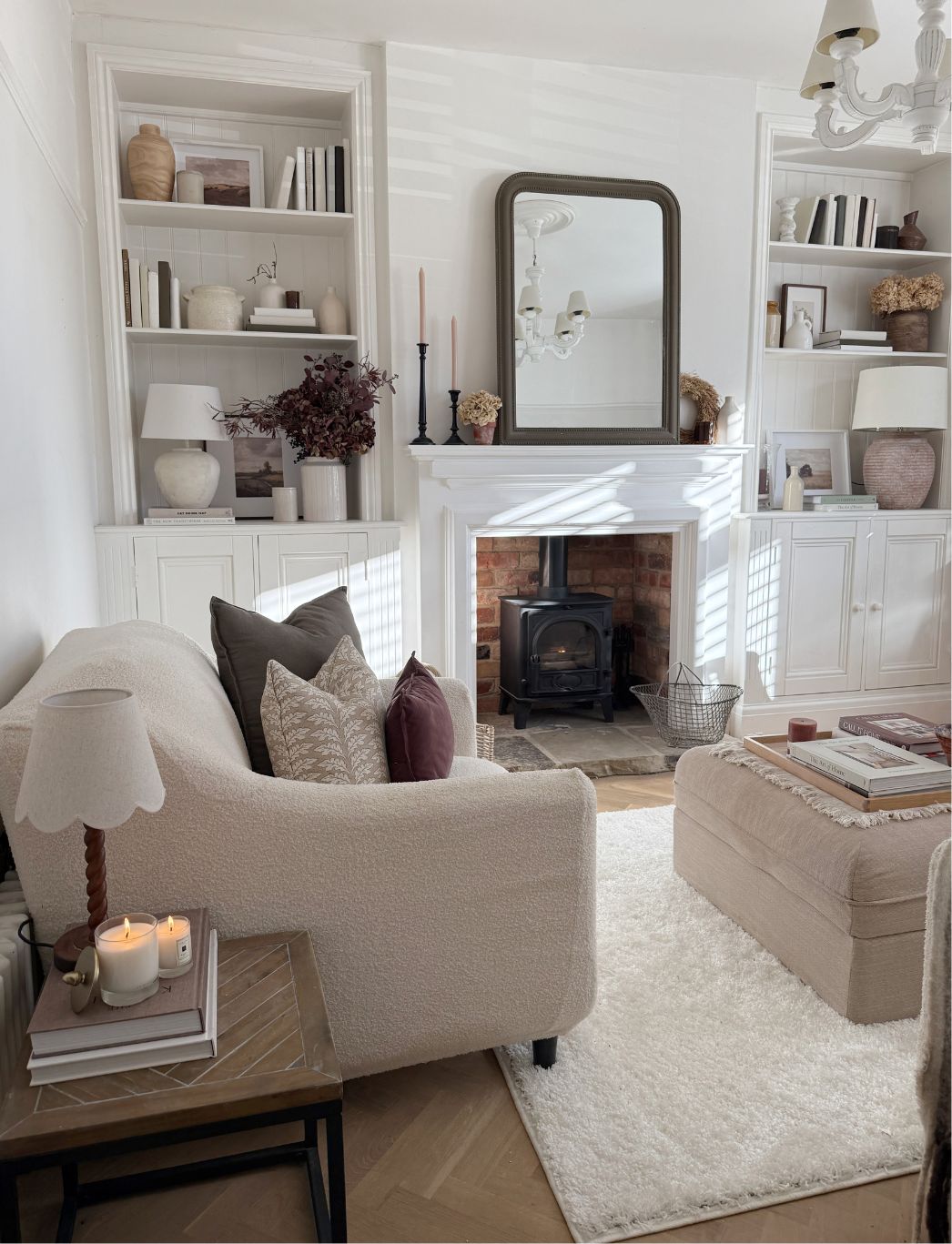
Dark rugs for living room bring a distinctive balance of practicality and style that many homeowners overlook when choosing floor coverings. While lighter rugs are often associated with bright interiors, darker tones can add depth, contrast, and visual structure that help a living room feel more grounded. When seating elements such as sofas, armchairs, and coffee tables occupy a single zone, a darker rug tends to ground the layout, creating a cohesive base that brings the entire arrangement into visual harmony.
Across many UK homes, living rooms combine neutral walls, wooden flooring and understated furniture. Within these interiors, darker rugs provide a strong base that supports the rest of the décor rather than competing with it. They can introduce warmth, help define the seating layout, and often prove more forgiving in busy households where the living room sees regular activity.
Understanding how dark rugs function within a living space can make it easier to choose the right style, size and placement. From their practical advantages to their design impact, darker rugs offer several benefits that make them a popular choice for modern living rooms.
Why Dark Rugs Work So Well in Living Rooms
One of the key strengths of dark rugs for living room spaces is their ability to anchor the seating area. Living rooms often contain several furniture pieces that need to feel visually connected. Positioning a deeper-toned rug under the sofa and coffee table establishes a defined focal area, giving the space a sense of structure while enhancing overall balance and cohesion.
This visual structure is particularly useful in larger rooms or open-plan layouts where furniture might otherwise appear scattered. The rug acts as a base layer that brings everything together while adding depth to the floor.
Practical Benefits of Choosing Dark Rugs
Another reason homeowners favour dark rugs in the living room is their practicality. Living rooms tend to experience constant activity throughout the day, whether from family members, visitors, or pets. Darker colours naturally disguise small marks, dust and everyday wear more effectively than very light rugs.
This makes it easier to maintain between cleaning sessions. Many darker rugs also retain their appearance well over time, especially when made from durable materials designed for high-traffic areas.

Where Dark Rugs Work Best in the Home
Although they are commonly used in living rooms, dark area rugs can also work well in other parts of the home. However, the living room remains one of the most suitable places for them because it is typically the largest shared space.
In rooms with light flooring, a dark rug creates contrast that helps define the seating arrangement. In open-plan homes, it can visually separate the living area from nearby dining or kitchen zones without needing physical dividers.
Styling Dark Rugs with Furniture and Décor
A dark living room rug pairs particularly well with lighter furniture. Sofas in shades such as cream, beige or light grey stand out clearly against deeper flooring tones. This contrast allows the furniture arrangement to feel intentional while maintaining a balanced colour palette.
Natural materials also complement darker rugs beautifully. Wooden tables, woven baskets and textured fabrics soften the overall appearance and help the room feel warm and inviting.
Choosing the Right Size and Placement
The effectiveness of dark rugs for living room layouts depends heavily on choosing the correct size. A rug that is too small can make the seating area feel disconnected, while a larger rug helps unify the entire arrangement.
Interior designers often recommend selecting a rug large enough for the front legs of sofas and chairs to rest on it. This creates a cohesive layout where the furniture appears anchored rather than floating on the floor.

Creating a Cosy and Balanced Living Room
Beyond practicality and layout, darker rugs also influence the atmosphere of a space. A dark rug can make a living room interior feel warmer and more intimate, particularly when combined with soft lighting and comfortable fabrics.
Deeper tones add visual weight to the lower half of the room, which helps balance lighter walls and ceilings. The result is a living space that feels layered, comfortable and visually grounded while still maintaining a relaxed and welcoming character.
Now, please keep reading to find out more about dark rugs from living rooms.
Dark Rugs for Living Room
Dark rugs for living room spaces have become increasingly popular in modern interiors because they add depth, character and a sense of balance to a room. While lighter rugs often create an airy atmosphere, darker tones can introduce a more grounded and sophisticated feel that works beautifully in many living spaces. When chosen carefully, a dark rug can anchor the entire room while still allowing furniture and décor to stand out.
In contemporary homes across the UK, darker floor coverings are often used to create contrast against neutral walls, wooden flooring or light upholstery. The result is a living room that feels thoughtfully styled rather than overly coordinated. A well-selected dark rug can quietly shape the mood of the space without overwhelming it.
Creating a Strong Visual Anchor in the Room
One of the biggest advantages of dark rugs for living room interiors is their ability to anchor the layout. In open or spacious living areas, furniture can sometimes feel visually disconnected. A darker rug helps bring everything together by clearly defining the seating area.
Sofas, coffee tables, and accent chairs appear more cohesive when placed on a darker foundation. This is particularly useful in open-plan homes where the living room flows into dining or kitchen areas. The rug naturally marks the living space without the need for physical dividers.
Interior designers often recommend placing the front legs of the sofa and chairs on the rug to create a balanced layout. With a darker rug, this arrangement feels especially polished because the furniture stands out clearly against the deeper tone.

Balancing Light Interiors with Darker Tones
Many UK homes feature light walls, pale flooring or neutral furniture. In these settings, dark rugs for living room styling provide an effective way to introduce contrast without adding visual clutter.
Rather than relying on bold colours or patterns, a darker rug can create depth simply through its tone. Charcoal, navy, espresso and deep olive are excellent choices for living rooms that need a subtle layer of richness.
This contrast can make the entire room feel more curated. The darker base draws the eye downward and helps prevent the space from feeling too flat or overly minimal.
A Practical Choice for Everyday Living
Beyond aesthetics, darker rugs often offer practical advantages in busy homes. Living rooms tend to experience constant foot traffic, whether from family members, guests, or pets. A rug in a deeper shade can naturally disguise small marks, crumbs or everyday wear far better than very light alternatives.
Low-pile options are particularly practical for living rooms. They are easier to vacuum, less likely to trap dust and tend to maintain their appearance over time. This makes them an excellent option for households that want a stylish living room without constant maintenance.
Choosing the Right Texture and Material
When selecting dark rugs for living room spaces, texture plays an important role in how the colour appears within the room. A deep shade combined with an overly flat surface can sometimes look heavy. Introducing texture solves this problem.
Subtle woven patterns, soft fibres or lightly distressed finishes can add visual interest while keeping the overall look refined. For example, a dark rug with tonal variation can soften the depth of the colour and help it blend more naturally with surrounding furniture.
Materials such as polypropylene, wool blends, or durable synthetic fibres are popular for living rooms because they balance comfort with practicality. They also hold darker dyes well, which helps maintain colour consistency over time.

Finding the Right Dark Rug for Your Living Room
Selecting the perfect rug ultimately depends on the atmosphere you want to create. Many homeowners opt for rich charcoal or navy hues to achieve a sleek, contemporary feel, while others favour grounded tones such as deep brown or olive to introduce a warmer, more inviting atmosphere.
Size is equally important. A rug that is too small can make the room feel fragmented, whereas a generously sized rug helps the seating area feel cohesive and intentional.
Dark Green Rugs for Living Room
Dark green rugs for living room interiors have become a favourite choice for homeowners who want to introduce colour while maintaining a calm and refined atmosphere. Green has a natural connection to the outdoors, and deeper shades bring a sense of maturity and balance to a living space. Rather than dominating the room, a dark green rug often works quietly in the background, enriching the overall palette.
In many UK homes where neutral walls, wooden flooring and soft fabrics are common, darker green tones add depth without feeling overpowering. The result is a living room that feels layered and thoughtfully styled rather than overly decorative.
Bringing Natural Depth Into the Living Space
One reason dark green rugs for living room settings work so well is their ability to echo natural tones. Colours inspired by forests, moss and deep foliage introduce a sense of calm that lighter or brighter colours sometimes struggle to achieve.
When placed beneath a seating arrangement, a dark green rug grounds the space while still feeling soft and welcoming. This is particularly effective in rooms that feature wooden furniture, houseplants, or natural materials such as rattan, linen or stone. The green tone subtly connects these elements, allowing the room to feel cohesive and relaxed.
Designers often favour darker greens because they create depth without demanding attention. The rug becomes a supportive feature that enhances the room rather than competing with another décor.
Pairing Dark Green Rugs with Neutral Furniture
Many living rooms in the UK rely on neutral furniture palettes such as beige sofas, cream armchairs or soft grey upholstery. In these spaces, dark green rugs for living room styling can introduce a rich colour layer while still maintaining a balanced appearance.
A deep green base allows lighter furniture to stand out clearly. The contrast creates visual structure within the room while avoiding the harshness that sometimes comes with darker colours like black or charcoal.
Accessories such as brass lamps, warm wooden tables or terracotta accents also work beautifully alongside green. These combinations create a living room that feels warm, inviting, and naturally elegant.
Creating a Relaxed Yet Sophisticated Atmosphere
Darker green tones naturally carry a sense of sophistication. Unlike brighter greens that feel energetic or playful, deeper shades bring a calm and mature character to the living room.
A dark green rug for living room décor can help soften the space while still adding personality. This makes it ideal for homeowners who want something more distinctive than a plain neutral rug but still prefer a timeless interior style.
Depending on the shade you choose, dark green can lean towards either cool or warm tones. Warmer olive tones bring a cosy, grounded feel and sit naturally within earthy interior schemes, whereas richer emerald hues tend to enhance more modern settings, especially when paired with metallic accents or sleek lighting features.

Practical Benefits in Busy Living Rooms
Aside from aesthetics, darker rugs often perform well in everyday living environments. Living rooms naturally attract foot traffic, especially in family homes where the space is used throughout the day.
A rug in a deeper green tone can help disguise minor marks or everyday wear more effectively than lighter alternatives. This makes it a practical option for households with children, pets, or regular guests.
Low-pile constructions are particularly useful for living rooms because they are easier to clean and maintain. They allow furniture to sit securely on the surface while keeping the rug comfortable underfoot.
Choosing the Right Shade and Texture
When selecting dark green rugs for living room interiors, it helps to consider how the texture will interact with the colour. A completely flat surface may make a deep shade appear heavier, while subtle texture can soften the effect.
Options with woven patterns, tonal variations or lightly distressed finishes can bring movement to the rug without overwhelming the room. These small details allow the colour to feel more dynamic and integrated with the surrounding décor.
Material choice also plays an important role. Durable fibres such as polypropylene blends or wool mixes are popular for living rooms because they balance comfort with practicality. These materials hold colour well and tend to maintain their appearance over time.
Every living room has its own character, so choosing the right rug involves thinking about size, layout and the atmosphere you want to create. A larger rug can unify the seating area and make the room feel more cohesive, while smaller rugs may work better in compact layouts.
Dark Grey Rugs for Living Room
Dark grey rugs for living room interiors offer a refined way to introduce depth while keeping the space versatile and modern. Grey has long been a favourite colour in contemporary homes because it sits comfortably between warm and cool palettes. When used in a deeper tone, it can anchor the room without feeling too heavy or dominant.
In many UK homes where neutral décor and natural materials are common, dark grey rugs create a sense of balance. They add structure to the room while still allowing furniture, artwork, and decorative elements to stand out naturally.
Creating Structure Within the Seating Area
One of the most useful qualities of dark grey rugs for living room spaces is their ability to define the seating area clearly. In larger rooms or open-plan layouts, furniture can sometimes appear scattered or disconnected. A darker rug helps organise the arrangement visually.
Placing the sofa and chairs partially on the rug creates a cohesive layout. The deeper tone acts as a foundation for the furniture, making the seating area feel intentional and grounded.
Dark grey works particularly well in rooms with light flooring or pale walls. The contrast helps highlight the shape of the space while keeping the overall look calm and sophisticated.
A Colour That Works with Almost Any Interior Style
Few colours are as adaptable as grey. A dark grey rug for living room décor can complement a wide range of interior styles, from minimalist and contemporary spaces to more traditional homes.
Within contemporary settings, charcoal shades work effortlessly alongside streamlined furnishings, dark detailing, and metallic elements, creating a refined and cohesive look. In softer, more relaxed living rooms, dark grey can work alongside beige upholstery, wooden tables and warm lighting.
Because grey sits comfortably between many colour palettes, homeowners often find it easier to update surrounding décor over time without needing to replace the rug.

Practical Benefits for Everyday Living
Living rooms are among the most frequently used areas in the home, which makes durability an important consideration. Dark grey rugs for living room use offer practical advantages because they tend to hide everyday wear more effectively than lighter colours.
Minor marks, dust or small crumbs are less noticeable on darker surfaces, helping the room maintain a tidy appearance between cleans. This is especially helpful in family homes where the living room sees regular activity.
Low-pile constructions are often preferred for living rooms as they are easier to vacuum and maintain. They also allow coffee tables and seating to sit evenly on the rug without sinking into the fibres.
Texture Makes the Colour More Dynamic
While dark grey is a neutral tone, the right texture can make the rug feel far more interesting. A completely flat finish can sometimes appear slightly heavy, particularly in deeper shades.
Many dark grey rugs for living room interiors include subtle patterning, woven textures or tonal variations that add movement across the surface. These details help the rug feel softer and more integrated with the rest of the room.
For example, lightly distressed finishes or multi-tonal fibres can introduce a sense of depth without overpowering the overall design. This approach allows the rug to remain understated while still adding character.
Size plays a crucial role when introducing a dark rug into the living room. A rug that is too small can make the furniture arrangement feel fragmented, while a larger rug helps connect the seating area visually.
Interior designers often recommend choosing a rug large enough for at least the front legs of the sofa and chairs to rest on it. This creates a more unified layout and prevents the rug from appearing like an afterthought.
Dark Brown Rugs for Living Room
Dark brown rugs for living room interiors bring a sense of warmth and grounding that many lighter colours cannot achieve. Brown is deeply connected to natural materials such as wood, leather and stone, which makes it particularly suitable for comfortable and inviting living spaces. When used in a darker tone, it can help the room feel anchored while still maintaining a relaxed atmosphere.
In UK homes where wooden flooring, neutral sofas and textured fabrics are common, dark brown rugs create a balanced base that ties the entire space together. Rather than drawing all the attention, the colour quietly supports the rest of the décor.
Introducing Warmth Through Rich Earthy Tones
Living rooms that rely heavily on cool neutrals such as grey or white can sometimes feel slightly flat. Dark brown adds depth while bringing a more natural and welcoming feel to the room.
This colour works especially well with timber furniture, woven baskets and soft fabrics such as linen or wool. When these materials appear together, the room begins to feel layered and comfortable without becoming visually busy.
Darker shades of brown, such as espresso or chocolate tones, can also help create a more intimate atmosphere in larger living rooms.
Pairing Dark Brown Rugs With Neutral Furniture
Many homeowners choose neutral sofas because they are versatile and easy to style. Beige, cream and taupe upholstery can sometimes blend too closely with lighter flooring, which makes the seating area feel less defined.
A dark brown rug for living room décor creates contrast beneath lighter furniture. This allows the sofa and chairs to stand out clearly while still maintaining a soft and harmonious palette.
Brown also pairs beautifully with other natural tones. Accessories in warm metals, terracotta ceramics or deep green plants complement the richness of the rug and add character to the living space.
A Practical Choice for Busy Homes
Beyond aesthetics, darker rugs can offer practical benefits in everyday living environments. Living rooms naturally attract a lot of activity throughout the day, which means the flooring must cope with regular use.
Dark brown rugs for living room areas tend to disguise small marks, crumbs or minor stains more easily than lighter alternatives. This can help the room continue to look tidy even between cleans.
Low-pile constructions are particularly useful for busy homes. They are easier to vacuum and maintain while still providing comfort underfoot. Many modern materials also resist flattening, helping the rug retain its appearance over time.
Using Texture to Soften Deep Colours
Because dark brown is a rich shade, texture becomes an important factor in preventing the rug from appearing too heavy. Rugs with subtle woven patterns, tonal variations or lightly distressed finishes can introduce visual movement across the surface.
Many dark brown rugs for living room interiors include mixed fibres or textured weaves that soften the depth of the colour. These small details help the rug feel more dynamic and ensure it blends smoothly with surrounding furniture and décor.
A slightly textured surface also interacts beautifully with natural light, allowing the colour to appear more varied throughout the day.
Selecting the correct size is essential when introducing a darker rug into the living room.
If the rug is undersized, the furniture can appear visually scattered and unrelated, whereas a more generously sized rug brings the seating arrangement together, creating a cohesive and anchored look.
Interior designers often recommend placing at least the front legs of sofas and armchairs on the rug. This approach visually connects the furniture and gives the room a more polished layout.

Dark Blue Rugs for Living Room
Dark blue rugs for living room interiors offer a striking way to introduce colour while still maintaining a calm and balanced atmosphere. Blue has long been associated with tranquillity, but deeper shades bring an added sense of elegance and structure to a space. When used as a foundation for the seating area, a dark blue rug can help the entire room feel more composed and thoughtfully styled.
In many UK homes where neutral tones dominate walls and furniture, darker blues provide contrast without appearing overpowering. The colour can quietly elevate the space while allowing other decorative elements to remain visible and well balanced.
Creating Depth Without Overwhelming the Room
While darker colours sometimes risk shrinking a room visually, blue behaves differently. Its cool undertone keeps the room feeling open while still adding character.
Placed beneath sofas and coffee tables, a deep blue rug can act as a visual anchor that draws the seating arrangement together. This helps define the living area clearly, particularly in open-plan homes where furniture needs subtle boundaries.
Navy and midnight blue tones are especially effective in rooms with light walls or pale flooring, where the contrast enhances the overall layout.
Pairing Dark Blue Rugs With Modern Interiors
Many contemporary living rooms feature soft neutrals such as cream, grey or beige upholstery. A dark blue rug for living room décor can introduce colour without clashing with these understated palettes.
Blue works beautifully alongside natural materials. Wooden coffee tables, brass lighting and woven accessories complement the richness of darker blues and help create a balanced environment. Even subtle decorative touches such as navy cushions or artwork can tie the colour scheme together.
Because blue is such a versatile shade, it adapts easily to different interior styles, from modern minimalism to more traditional living rooms.
Practical Benefits for Everyday Use
Beyond its visual appeal, a darker rug often proves practical in busy households. Living rooms see daily use, whether from family members relaxing, children playing or guests visiting.
Dark blue rugs for living room areas can help disguise everyday wear more effectively than very light rugs. Minor marks or dust are less noticeable, which allows the room to remain visually tidy between cleans.
Low-pile rugs are particularly suitable for living rooms because they are easy to maintain and allow furniture to sit securely on the surface. Many modern materials also resist flattening and retain their colour well over time.
Adding Character Through Texture and Pattern
Although colour plays an important role, texture can dramatically influence how a dark blue rug appears within the room. Completely flat surfaces may make the shade appear slightly heavier, while textured designs create movement and interest.
Many dark blue rugs for living room interiors include subtle woven patterns, tonal variations or gently distressed finishes. These details soften the depth of the colour and allow the rug to integrate naturally with the surrounding décor.
Textured fibres can also catch natural light differently throughout the day, making the rug feel more dynamic and less uniform.
Size is another key consideration when introducing a dark rug into the living room. A rug that is too small may appear disconnected from the furniture, whereas a larger rug can unify the entire seating arrangement.
Interior designers often suggest choosing a rug large enough for the front legs of the sofa and chairs to rest on it. This helps establish a clear layout and ensures the rug feels like a deliberate design choice.
Dark Teal Rugs for Living Room
Dark teal rugs for living room interiors offer a distinctive way to introduce colour while keeping the overall space refined and balanced. Teal sits between blue and green, which allows it to bring both calmness and richness into a room. When used in a deeper shade, it creates a sense of depth that can transform the atmosphere of the living area without feeling overwhelming.
In many UK homes where neutral décor forms the foundation of the room, dark teal provides an elegant contrast. It introduces colour while still maintaining the relaxed and comfortable character that living rooms are known for.
Adding Colour While Keeping the Room Balanced
One of the advantages of dark teal rugs for living room styling is that the colour feels vibrant yet controlled. Unlike brighter shades that may dominate the space, darker teal tones add personality while remaining sophisticated.
Placed beneath a seating arrangement, a dark teal rug can visually anchor the furniture while also becoming a subtle focal point. This works particularly well in rooms with light walls or pale flooring, where the colour naturally stands out and creates contrast.
Teal also pairs beautifully with a variety of materials, making it easier to incorporate into different interior styles.
Complementing Neutral and Warm Interior Palettes
Many living rooms rely on neutral furniture such as beige sofas, cream armchairs or soft grey upholstery. A dark teal rug for living room décor can introduce depth beneath these lighter pieces while keeping the overall look cohesive.
The colour also works well with warm materials such as wooden coffee tables, leather accents or woven décor. These combinations create a living room that feels both stylish and welcoming.
Metallic finishes, particularly brass or gold lighting, can further enhance the richness of teal tones. Together, these elements produce a living space that feels layered and thoughtfully designed.
Practical Advantages for Everyday Living
Living rooms are used frequently throughout the day, so practicality is just as important as style. Dark teal rugs for living room areas often prove to be a sensible choice for busy homes because darker tones tend to conceal small marks and everyday wear more effectively than lighter rugs.
Low-pile designs are particularly useful for living rooms. They are easier to vacuum, maintain their appearance well and allow furniture to sit firmly on the surface.
Many modern rug materials are also designed to resist flattening and fading, helping the rug remain attractive even after regular use.
Enhancing the Look With Texture
The visual impact of a dark teal rug can be influenced greatly by texture. A completely flat finish may make deeper shades appear heavier, while textured weaves introduce movement and interest.
Many dark teal rugs for living room interiors feature subtle patterns, tonal fibres or lightly distressed finishes that soften the overall appearance. These small variations prevent the rug from looking too uniform while adding character to the room.
Texture also interacts with natural light, which allows the colour to shift slightly throughout the day and creates a more dynamic effect.

Choosing the Right Size for the Space
The size of the rug plays a key role in how successful the design feels within the living room. A rug that is too small can leave furniture feeling disconnected, while a larger rug helps bring the seating area together.
Interior designers often recommend choosing a rug that allows at least the front legs of sofas and chairs to rest on it. This arrangement helps define the seating zone and creates a more polished layout.
Dark Red Rugs for Living Room
Dark red rugs for living room interiors bring a rich and expressive character that can transform an ordinary seating area into something far more inviting. Deep red tones have long been associated with warmth, comfort and classic design. When introduced thoughtfully, they add colour and personality while still allowing the rest of the room to feel balanced.
Many UK living rooms rely on neutral walls and soft furnishings, which creates the perfect backdrop for darker colours. A dark red rug can introduce contrast while helping the room feel warmer and more layered.
Creating a Warm and Welcoming Atmosphere
One of the reasons dark red rugs for living room styling work so well is their natural warmth. Colours such as burgundy, wine or deep terracotta can instantly make a room feel more comfortable and lived in.
Placed beneath a sofa and coffee table, a dark red rug becomes the visual centre of the seating area. It grounds the furniture and draws attention without overwhelming the space. This is especially effective in living rooms with pale flooring or neutral décor where the deeper colour stands out beautifully.
These shades also help larger living rooms feel more intimate by adding a sense of richness and depth.
Pairing Dark Red With Neutral Interiors
Many homeowners prefer neutral sofas because they are versatile and easy to style. A dark red rug for living room décor can introduce colour beneath beige, cream or light grey seating without disrupting the calm atmosphere of the room.
Red tones work particularly well alongside warm materials such as wooden tables, woven baskets and textured fabrics. When combined, these elements create a balanced and inviting environment.
Adding small accents that echo the rug colour, such as cushions or artwork, can help tie the room together while keeping the design cohesive.
Practical Benefits for Busy Living Spaces
Living rooms are used daily, so durability is always an important factor when choosing a rug. Dark red rugs for living room areas can be surprisingly practical because deeper shades tend to disguise small marks and everyday wear more effectively than very light rugs.
This can help maintain a tidy appearance even between regular cleaning. In living rooms, low-pile rugs are typically favoured as they simplify cleaning and provide a stable surface, allowing furniture to rest evenly without shifting.
Many modern materials are also designed to resist fading and flattening, ensuring the rug continues to look attractive over time.
Adding Interest Through Texture and Pattern
While colour is the defining feature of a dark red rug, texture plays a major role in how it appears within the room. A completely flat finish can sometimes make the shade look heavier, whereas subtle texture introduces movement and softness.
Many dark red rugs for living room interiors include woven patterns, tonal fibres or lightly distressed finishes that add depth without making the design feel busy.
These small details allow the rug to interact beautifully with natural light and surrounding décor, creating a more dynamic and interesting surface.
Choosing the Right Size for the Living Room
Selecting the correct rug size is essential for achieving a balanced layout. A rug that is too small may feel disconnected from the furniture, while a larger rug helps define the seating area clearly.
Interior designers often recommend placing the front legs of sofas and armchairs on the rug to create a unified arrangement. This approach makes the room feel more intentional and visually organised.
Large Dark Grey Rugs for Living Room
Large dark grey rugs for living room interiors provide a refined yet practical solution for bringing expansive seating arrangements together into one cohesive space. Grey has long been a favourite in contemporary homes, but when paired with a generous rug size, the colour becomes even more effective at grounding the layout of the room. A larger rug creates visual continuity, helping furniture pieces feel connected rather than scattered across the floor.
In many UK living rooms, particularly open-plan spaces, a well-proportioned rug can completely change how the room feels. A large dark grey rug adds both structure and depth, making the seating area appear more intentional and cohesive.

Defining the Living Area in Open Spaces
In open-plan homes where the living room flows into dining or kitchen areas, furniture can sometimes lack visual boundaries.
Opting for a larger rug addresses this by forming a defined boundary around the sofa, armchairs, and coffee table, helping the entire arrangement feel more structured and cohesive. Instead of the furniture appearing to float within the room, the rug brings everything together into one cohesive arrangement.
Dark grey is particularly effective in this role because it provides contrast without feeling overly bold. The deeper shade quietly anchors the room while allowing the surrounding décor to remain the focus.
Balancing Light Interiors With a Deeper Foundation
Many modern living rooms feature light colour palettes. Pale flooring, cream sofas and soft neutral walls are common choices in UK homes. In these environments, large dark grey rugs for living room styling introduce depth that prevents the space from feeling flat.
The darker base beneath the seating area helps highlight the shapes of furniture while adding visual weight to the lower half of the room. This contrast creates a more balanced design where the eye naturally moves across the space.
Grey also remains neutral enough to complement a wide variety of colour accents, from warm wood tones to cooler metallic finishes.
A Practical Choice for High-Traffic Areas
Large rugs in living rooms naturally experience more foot traffic, which makes durability an important consideration. Large dark grey rugs for living room use offer practical advantages because darker shades tend to disguise everyday wear more effectively than lighter colours.
Dust, minor marks or small spills are often less noticeable on darker grey surfaces. This can help the room maintain a tidy appearance even in busy households where the living room is used throughout the day.
Low-pile constructions are often the most practical option for larger rugs. They are easier to clean, less likely to trap debris and allow furniture to sit firmly on the surface.
Texture Adds Interest to Neutral Colours
Although grey is a neutral colour, texture can dramatically influence how the rug appears within space. A flat dark grey surface may feel slightly heavy, especially when the rug is large.
Many large dark grey rugs for living room interiors feature subtle woven patterns, tonal variations or lightly distressed finishes that soften the appearance. These details introduce movement across the surface while maintaining a calm and refined aesthetic.
Textured fibres also interact with natural light, creating slight variations in tone that prevent the rug from appearing too uniform.
When selecting a large rug, proportions are key. The rug should extend beyond the coffee table and allow at least the front legs of the sofa and chairs to rest on it. This ensures the seating arrangement feels unified rather than disconnected.
In larger living rooms, some homeowners choose rugs that accommodate all furniture legs within the seating area. This approach creates a fully framed layout that looks especially polished.

Dark Beige Rugs for Living Room
Dark beige rugs for living room interiors offer a balanced middle ground between light neutrals and deeper tones. While pale rugs can sometimes feel delicate and high maintenance, darker beige shades introduce warmth and practicality while keeping the room bright and welcoming. This makes them a popular choice for homeowners who want a calm interior without relying on very light flooring elements.
In many UK living rooms where neutral décor is already present, a dark beige rug blends seamlessly while still providing subtle contrast. The tone works quietly within the space, supporting the furniture and décor without dominating the overall design.
A Soft Foundation for Neutral Living Rooms
One of the reasons dark beige rugs for living room styling are so widely used is their ability to act as a soft foundation for the seating area. Beige naturally complements a wide range of colours and materials, which allows the room to feel cohesive without looking overly coordinated.
Placed beneath a sofa and coffee table, a dark beige rug helps define the seating arrangement while maintaining a relaxed and comfortable atmosphere. It works particularly well in rooms with wooden flooring or natural textures where warmer tones are already present.
Because the shade sits between light and dark, it can help prevent the room from feeling either too stark or too heavy.
Pairing Dark Beige With Warm Materials
Many living rooms incorporate materials such as wood, linen and woven fabrics to create a cosy environment. Incorporating a dark beige rug into a living room scheme helps echo those natural hues, subtly enhancing the overall palette and creating a more cohesive look.
Sofas in cream, taupe or light grey pair especially well with beige rugs. The result is a layered look that feels calm and timeless rather than overly styled. Small accents such as cushions, ceramics or plants can then introduce colour without clashing with the overall palette.
This flexibility allows homeowners to update other elements of the room over time without needing to replace the rug.
A Practical Alternative to Lighter Rugs
While light rugs can brighten a room, they often require more frequent cleaning. Dark beige rugs for living room areas offer a practical compromise by maintaining a light, neutral appearance while being slightly more forgiving in everyday use.
Minor marks or dust tend to be less noticeable compared with very pale rugs, which helps the room maintain a tidy appearance between cleans. This makes darker beige shades a sensible option for households where the living room is used regularly.
Low-pile constructions are often preferred because they are easier to vacuum and maintain while still providing a comfortable surface underfoot.
Using Texture to Add Depth
Because beige is a subtle colour, texture plays an important role in ensuring the rug still feels visually interesting. Many dark beige rugs for living room interiors include woven patterns, tonal fibres or gentle variations in shade.
These details introduce movement across the surface and prevent the rug from appearing too flat. Textured finishes can also reflect natural light slightly differently throughout the day, giving the rug a more dynamic appearance.
The result is a rug that remains understated while still adding character to the room.
Selecting the appropriate rug size helps ensure the seating area feels balanced. A rug that is too small may appear disconnected from the furniture, whereas a larger rug helps bring the entire arrangement together.
Interior designers often recommend choosing a rug large enough for the front legs of sofas and armchairs to sit on it. This creates a more cohesive layout and allows the rug to feel integrated into the overall design of the room.

Dark Pink Rugs for Living Room
Dark pink rugs for living room interiors introduce warmth and personality while keeping the space elegant and inviting. While pink is often associated with softer decorative accents, deeper pink tones such as dusty rose, berry or muted blush can work beautifully in a sophisticated living room setting. These shades bring colour into the room without appearing overly playful or overpowering.
In many UK homes where neutral walls and furniture dominate the space, a darker pink rug can add a subtle layer of character. The colour feels warm and expressive while still blending naturally with common interior palettes.
Adding Warm Colour Without Overpowering the Room
One of the appealing aspects of dark pink rugs for living room styling is their ability to introduce colour in a gentle and balanced way. Unlike bright or vibrant shades, darker pink tones offer warmth while maintaining a calm atmosphere.
Placed beneath the seating area, a dark pink rug can act as a soft focal point that ties the room together. The colour draws attention while still allowing other elements such as furniture, artwork or lighting to remain visible and well balanced.
This approach works particularly well in living rooms where homeowners want to move beyond neutral tones but still maintain a relaxed and comfortable environment.

Pairing Dark Pink Rugs With Neutral Furniture
Many living rooms feature neutral furniture such as beige sofas, cream armchairs or light grey seating. A dark pink rug for living room décor can introduce warmth beneath these lighter pieces while keeping the overall palette harmonious.
Dark pink also pairs beautifully with natural materials. Wooden tables, woven baskets and textured fabrics help soften the colour and create a welcoming atmosphere.
Small decorative accents, such as cushions or artwork that echo similar tones can further connect the rug with the rest of the room, giving the space a cohesive and thoughtful appearance.
Creating a Softer, Cosier Living Space
Deeper pink shades often bring a comforting and relaxed feeling to living rooms. Unlike cooler tones that may feel more structured, pink adds warmth that makes the room feel lived in and welcoming.
Introducing a dark pink rug into a living room can gently tone down the overall look, particularly when combined with tactile materials like linen, wool, or velvet, resulting in a softer and more inviting atmosphere. These combinations help create a layered interior that feels cosy without becoming visually cluttered.
This makes dark pink an appealing option for homeowners who want their living room to feel both stylish and comfortable.
Practical Benefits for Everyday Living
Living rooms naturally experience regular use throughout the day, so practicality is an important consideration. Dark pink rugs for living room areas can offer advantages over lighter rugs because deeper tones tend to hide small marks and everyday wear more effectively.
Low-pile rugs are often a sensible choice for living rooms as they are easier to clean and maintain. They also allow furniture to sit securely on the surface while still providing a comfortable texture underfoot.
Many modern rug materials are designed to retain their colour and shape even after regular use, making them suitable for busy households.
When selecting a dark pink rug, texture and tone can greatly influence how the colour appears within the room. Subtle woven patterns or tonal fibres can add depth to the rug without overwhelming the space.
In many living room designs, dark pink rugs often display subtle tonal shifts, allowing the colour to appear more organic and blend seamlessly with the surrounding décor. These details help the rug interact beautifully with natural light, creating a surface that feels dynamic rather than flat.

Dark Purple Rugs for Living Room
Dark purple rugs for the living room offer a distinctive way to introduce colour while maintaining a refined and balanced atmosphere. Deeper shades such as plum, aubergine and rich violet can bring impressive depth to a space without making it feel overwhelming. When chosen carefully, a rug in this colour family becomes a strong design element that anchors the seating area and elevates the room’s overall character.
In many UK homes where neutral walls and understated furniture dominate the interior palette, darker purple tones provide contrast while still feeling harmonious. The result is a living room that feels expressive yet sophisticated.
Introducing Depth and Character to the Living Room
One of the most appealing qualities of dark purple rugs in a living room setting is their ability to add visual depth without relying on bold patterns or complex designs. A deep purple tone naturally draws attention and introduces a richer layer to the flooring.
Placed beneath a sofa and coffee table, the rug becomes a subtle focal point that brings the seating arrangement together. In rooms with pale flooring or light walls, the darker colour creates a clear sense of contrast that helps define the layout of the space.
This approach is particularly effective in interiors that feel slightly flat or overly neutral, as the deeper colour introduces dimension without disrupting the overall calmness of the room.
Pairing Dark Purple Rugs With Neutral Furniture
A dark purple rug works particularly well with neutral sofas and understated furniture palettes. Cream, beige and soft grey upholstery allow the richness of purple tones to stand out while still maintaining balance throughout the room.
Purple also complements warm, natural materials beautifully. Elements like wooden coffee tables, woven accessories, and gentle fabrics such as wool or linen can temper the intensity of the colour, making the space feel more relaxed and inviting.
Introducing small accents that echo the rug’s tone, such as cushions or decorative accessories, can further tie the space together and give the room a thoughtfully coordinated appearance.
Creating a Comfortable Yet Sophisticated Atmosphere
Darker purple tones often introduce a sense of quiet luxury into a living room interior. Unlike brighter shades that may feel playful, deeper purples create a richer and more mature atmosphere.
A dark purple rug can soften the seating area while still adding personality to the space. When combined with warm lighting, textured fabrics and comfortable furniture, the living room begins to feel layered and inviting.
This makes purple an appealing option for homeowners who want to introduce colour while still maintaining a sophisticated and relaxed environment.

Practical Advantages for Everyday Use
In addition to visual impact, dark rugs can offer practical benefits for the living room. This area of the home often experiences regular foot traffic, which means the flooring must cope with everyday activity.
Darker shades such as purple can help disguise small marks, dust or minor wear more effectively than very light rugs. This allows the room to maintain a tidy appearance even between routine cleaning.
Low-pile constructions are often well-suited for living rooms because they are easier to vacuum and allow furniture to sit securely on the rug’s surface.
Choosing the Right Texture and Size
Texture plays a key role in how dark purple rugs appear within a living room layout. Rugs with subtle woven patterns, tonal fibres or lightly distressed finishes can soften the intensity of the colour and introduce visual movement.
These small design details prevent the rug from appearing too uniform and allow it to interact naturally with light throughout the day.
When choosing the size, it is often best to select a large rug for the front legs of sofas and armchairs to rest on it. This helps create a cohesive seating area and ensures the rug feels integrated with the rest of the room.
For homeowners exploring options, collections available at The Rugs include a variety of designs that combine durable materials with rich colours. The right rug can add depth, comfort, and personality while helping the living room feel balanced and complete.
PEOPLE ALSO ASKED
Should a rug be lighter or darker than the floor?
There is no strict rule that a rug must be lighter or darker than the floor, but creating a gentle contrast usually produces the most balanced result. When the rug closely matches the flooring tone, the layers can blend together and the seating area may feel less defined. Introducing a darker rug on lighter flooring can help frame the living room layout and give the furniture a clearer visual anchor.
In rooms with darker flooring, some homeowners prefer a lighter rug to brighten the space. However, darker rugs can still work beautifully if the surrounding furniture and walls provide enough contrast. The key is to ensure the rug helps the seating area stand out rather than disappear into the background.
Is a dark rug a good idea?
A dark rug can be an excellent choice, particularly in busy homes where the living room sees daily activity. Deeper tones tend to disguise small marks, dust and everyday wear more effectively than very light rugs, which makes them a practical option for high-traffic areas.
From a design perspective, darker rugs also add depth and structure to a room. In many modern interiors, a dark area rug helps anchor the seating arrangement and creates a more cohesive atmosphere. When balanced with lighter walls, upholstery or décor, a darker rug can bring a sense of calm sophistication to the space.
Does a dark rug make a room look bigger or smaller?
A dark rug does not automatically make a room feel smaller. In fact, when used correctly, it can add depth and make the space feel more layered. If the rug is large enough to sit beneath the seating area, it can visually expand the living room space by connecting the furniture into one unified arrangement.
Problems usually occur when the rug is too small rather than too dark. A small rug can break up the floor area and make the room feel fragmented. Selecting a dark area rug with the right proportions, extending beneath key pieces of furniture, can bring a sense of structure to the room while making the space appear more open and cohesive.
What colours go well with a dark rug?
Many colours work beautifully with a dark rug, especially lighter tones that create contrast. Shades such as cream, beige, soft grey and warm white can brighten the room and help the darker rug stand out as a strong foundation for the space.
Natural materials also pair well with deeper tones. Wooden furniture, woven textures and soft fabrics such as linen or wool help soften the appearance of a dark living room rug. Accent colours such as muted greens, terracotta or brass details can add warmth while keeping the palette balanced and cohesive.
How do dark rugs make living rooms feel cosier?
A dark rug can make a living room feel noticeably more comfortable by adding visual warmth and depth. Lighter interiors sometimes feel slightly open or minimal, whereas darker floor elements create a stronger sense of enclosure and intimacy.
When placed beneath the seating area, a deeper-toned rug draws the furniture together and helps the room feel more connected. Combined with soft lighting, textured fabrics and warm materials, a dark area rug contributes to a cosy atmosphere that encourages relaxation and conversation.
Which dark rug materials hide stains best?
Certain rug materials are better at disguising marks than others. Synthetic fibres such as polypropylene rugs are particularly popular because they are durable, easy to clean and resistant to staining. These materials are often used in modern living rooms where practicality is important.
Wool blends can also perform well because their natural fibres help conceal small marks within the texture. A darker colour combined with a slightly textured rug surface tends to hide everyday wear more effectively than flat, smooth finishes.
Can dark rugs work in small living spaces?
Yes, dark rugs can work very well in small living rooms when chosen carefully. The key is to ensure the rug is large enough to anchor the furniture rather than sitting awkwardly in the centre of the floor.
A well-sized dark rug can actually create a sense of structure within a compact room. When the front legs of the sofa and chairs rest on the rug, the seating area feels unified and organised. This helps the room appear more intentional and visually balanced, even when space is limited.
How should you light rooms with dark rugs?
Lighting plays an important role when decorating with a dark rug. Because deeper tones absorb more light than pale surfaces, the room should include enough illumination to maintain a bright and welcoming atmosphere.
Layered lighting often works best. Combining ceiling lights with floor lamps or table lamps allows light to spread evenly across the room. Natural light also helps soften the appearance of a dark living room rug, especially when paired with lighter walls or reflective materials such as glass and metal accents.
Why do dark rugs ground open living areas?
In open-plan homes, furniture can sometimes appear scattered across the floor without a clear focal point. A dark rug helps solve this by visually defining the living area within the larger space.
The deeper colour acts as a foundation beneath the seating arrangement, making the sofa, chairs and coffee table feel connected. This creates a clear boundary for the living room without needing walls or partitions. As a result, dark rugs often help open-plan layouts feel more organised and comfortable.

Keep reading
All how to guides for home owners →


1267 styles, Free UK Delivery
New guides in your inbox, no noise.
New guides, materials and styling tips.