Grey Rugs
 Beige Rugs
 Cream Rugs
 White Rugs
 Black Rugs
 Brown Rugs
 Blue Rugs
 Duck Egg Blue Rugs
 Green Rugs
 Pink Rugs
 Multicolour Rugs
 Yellow Rugs
 Red Rugs
 Terra Rugs
 Orange Rugs




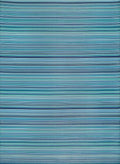
Rainbow Outdoor Rug Green | 1020
Regular price
£4990
Sale price
£4990
Regular price
Save
/
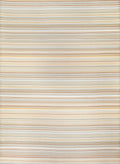
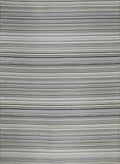
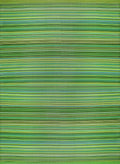
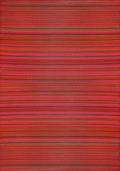
CM
FT
SIZE & PLACEMENT GUIDE
Find your perfect rug size
Measure your space, match it to your furniture, then order with confidence. Scroll down for room-by-room placement, sizes and answers.
1. Measure your space
Swipe to see all 4 steps →
01
Measure Your Room

02
Consider Permanent Fixtures

03
Plan Your Furniture Layout

04
Mark the Rug Before You Buy
2. See the Right Size in Every Room
Swipe by room →Living Room
Bedroom
Dining Room
Hallway
3. Choose a size
SIZE (CM)
SIZE (FT)
BEST FOR
120 × 170cm
3'11"×5'7"
Small living room
160 × 230cm
5'3"×7'7"
Living room, under sofa
200 × 290cm
6'7"×9'6"
Large living room, bedroom
240 × 330cm
7'10"×10'10"
Open-plan living, dining
280 × 380cm
9'2"×12'6"
Large open-plan spaces
80 × 300cm
2'7"×9'10"
Wide hallway, staircase

A note on underlay
An underlay stops slipping and adds cushioning. It only needs to cover ~80% of the rug's area - a slightly smaller pad is normal.
Common questions
How much floor should the rug leave bare?
Aim for 20-30cm of visible floor between the rug's edge and the wall.
Can I size up if I'm between two options?
Generally yes - a slightly larger rug reads as more intentional.
Do runners need to match the hallway exactly?
Leave roughly 15cm of floor visible at each end and side.
What if my rug arrives with fold creases?
Lay it flat and walk on it: creases usually settle within a week. For a stubborn corner, roll it the other way for an hour. If it still has not settled, email us at info@the-rugs.com. More tips in our guide to flattening a rug.
Still unsure? Our team can help you measure.
Room photos
Step detail
Waterproof
Lightweight
Easy to Clean

-
Free UK Delivery
1-2 working days
Excludes some areas
Northern Ireland, the Isle of Man, the Channel Islands and the Scottish Highlands. Some rural Scottish postcodes pay a courier charge, shown at checkout. Delivery and returns policy
-
Free 30-day returns
We collect bigger rugs from your home
-
Help from a real person
Live chat or email info@the-rugs.com