Grey Rugs
 Beige Rugs
 Cream Rugs
 White Rugs
 Black Rugs
 Brown Rugs
 Blue Rugs
 Duck Egg Blue Rugs
 Green Rugs
 Pink Rugs
 Multicolour Rugs
 Yellow Rugs
 Red Rugs
 Terra Rugs
 Orange Rugs


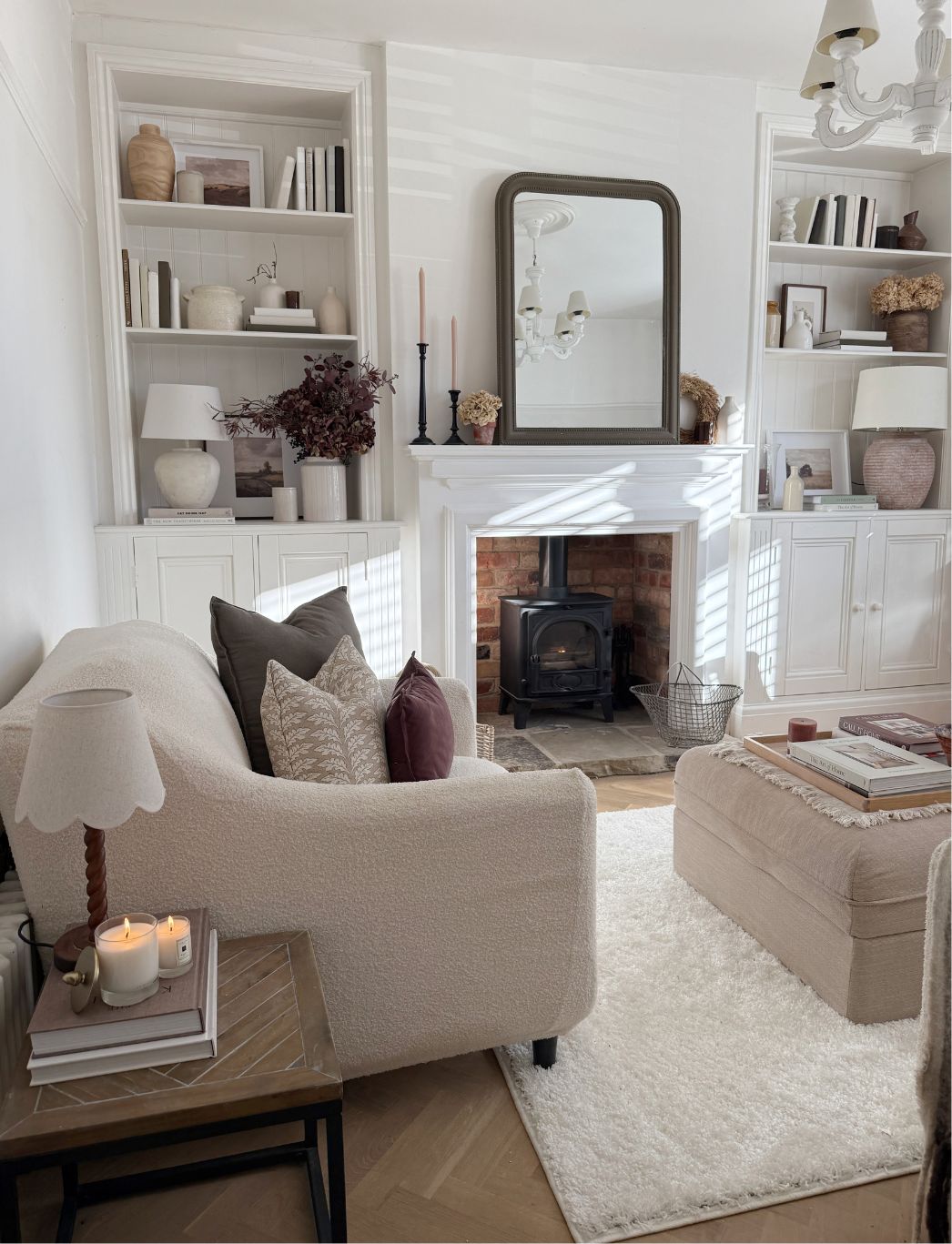
White Rug Ideas: A Bright Foundation for Clean and Balanced Interiors

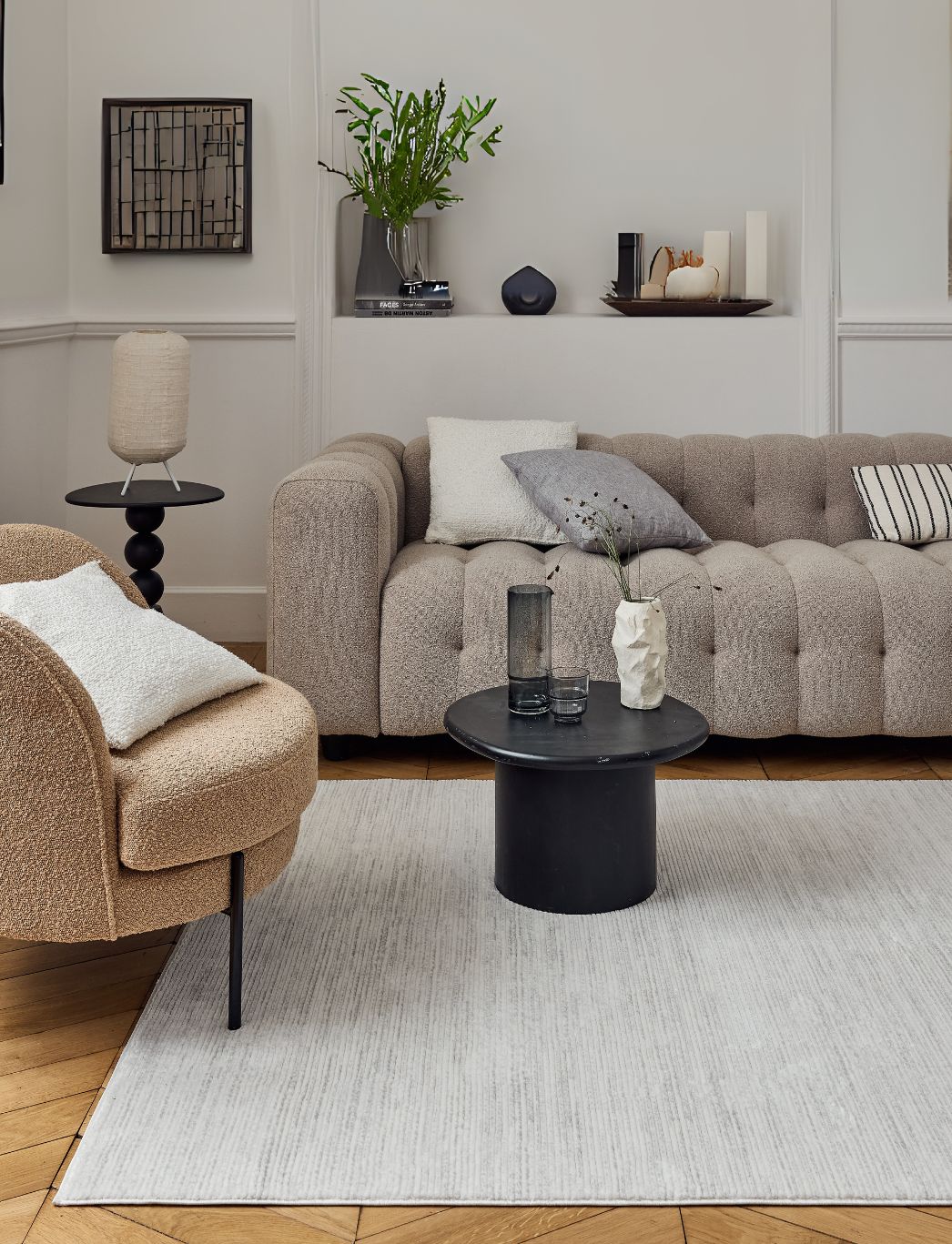
A white rug offers one of the most effective ways to elevate a space while maintaining a sense of openness and simplicity. Its clean tone reflects light naturally, helping rooms feel larger, fresher and more refined. Unlike darker rugs that anchor a space visually, white creates a softer base that allows other elements such as furniture, textures and colours to stand out more clearly.
Used thoughtfully, a white rug can transform both modern and classic interiors by introducing clarity without sacrificing warmth.

Enhancing Spatial Perception Through Light Reflection
White surfaces naturally reflect more light, which can influence how a room is perceived. Placing a white rug within a space helps distribute both natural and artificial light more evenly across the floor.
This effect reduces visual boundaries and makes the room feel more open. In smaller interiors, this creates a noticeable spatial lift, allowing the space to appear less confined and more breathable.
Creating a Clean Visual Base for Layered Design
A white rug works as a neutral platform that supports more detailed elements in the room. Using a white rug allows textures such as wood, metal or fabric to become more prominent without competing visually.
This is particularly useful in interiors that rely on layered styling. The rug acts as a clean foundation, helping different materials and finishes come together in a cohesive way.
Interaction With Different Flooring Types
The impact of a white rug changes depending on what lies beneath it. On dark flooring, a white rug introduces strong contrast that immediately draws attention to the centre of the room.
On lighter floors, it blends more subtly, creating a seamless and calm look. In both cases, the rug contributes to a considered floor balance that enhances the overall design.
Supporting Both Minimal and Detailed Interiors
White rugs are often associated with minimal spaces, but they also work well in more detailed interiors. A white rug can simplify a busy room by reducing visual noise, while in minimalist settings it reinforces clarity and structure.
This versatility makes it suitable for a wide range of styles. It adapts easily as a design anchor that complements rather than dominates.
Practical Considerations for Everyday Use
Although white is a lighter colour, many modern rugs are designed to be practical. A white rug with texture, pattern or durable fibres can handle everyday use more effectively than expected.
Placement also plays a role. Using white rugs in areas with controlled traffic helps maintain their appearance. With the right approach, they remain a practical choice for homes that balance aesthetics with daily living.
Off White Rug: A Softer Alternative for Warm and Relaxed Interiors
An off white rug offers a more forgiving and natural take on bright white, introducing warmth without losing the sense of lightness. It sits slightly closer to beige, which makes it easier to live with in everyday spaces while still keeping the room feeling open and airy.
This subtle variation makes off white particularly appealing in homes where comfort and practicality are just as important as appearance.

A Warmer Neutral That Feels Less Clinical
Pure white can sometimes feel sharp, especially in spaces with cooler lighting. An off white rug softens that effect by introducing a hint of warmth into the tone.
This creates a more comfortable atmosphere that feels lived-in rather than overly styled. The result is a gentle warm neutral that suits both modern and traditional interiors.
Blending Seamlessly With Natural Materials
Off white works particularly well alongside organic finishes such as wood, linen and stone. Using an off white rug helps tie these elements together without creating strong contrast.
This makes it ideal for interiors that focus on natural textures. The rug becomes part of a cohesive material harmony, supporting the overall look without standing out too much.
Reducing Visual Harshness in Bright Spaces
In rooms with strong lighting or large windows, pure white can sometimes appear too bright. An off white rug offers a softer alternative that still reflects light but in a more diffused way.
This helps maintain brightness while avoiding glare. The result is a smoother light balance that feels easier on the eye throughout the day.
A More Forgiving Surface for Everyday Living
Compared to pure white, an off white rug tends to be slightly more practical for daily use. Its warmer undertones can help minimise the appearance of small marks or dust.
This makes it a better option for living rooms, bedrooms or other frequently used areas. As a result, it becomes a more livable option without compromising on style.
Supporting Calm and Neutral Colour Schemes
Off white integrates naturally into neutral interiors where subtle variation is key. An off white rug can sit comfortably alongside creams, taupes and soft greys without creating contrast that feels too strong.
This allows the room to maintain a calm and cohesive look. The rug acts as a quiet tone connector, bringing different neutral shades together seamlessly.
White Fluffy Rug: Soft Texture for Relaxed and Comfort-Led Spaces
A white fluffy rug introduces a cosy and inviting layer to interiors through its soft, cloud-like texture. Unlike flatter rugs, it focuses on comfort and tactility, making it especially appealing in spaces designed for relaxation. The white tone keeps the look fresh and light, preventing the texture from feeling too heavy or overwhelming.
This combination of softness and brightness makes fluffy rugs a popular choice for bedrooms, lounges and quiet corners of the home.

A Texture-First Approach to Interior Comfort
The defining feature of a white fluffy rug is its emphasis on texture rather than pattern. The dense fibres create a surface that feels noticeably softer underfoot, changing how the room is experienced on a daily level.
This tactile quality adds a sense of comfort that goes beyond visual design. The rug becomes a comfort layer that enhances how the space is used and enjoyed.
Visual Softness That Reduces Harsh Edges
Hard flooring and structured furniture can sometimes make a room feel sharp or rigid. Introducing a white fluffy rug helps soften these elements by adding a more organic surface.
The fibres blur clean lines slightly, creating a gentler look across the room. This results in a more relaxed visual softness that balances modern interiors effectively.
Light Interaction Across a Textured Surface
The uneven pile of a white fluffy rug interacts with light in a unique way. Instead of reflecting light evenly, the fibres create subtle variation in tone depending on how they sit.
This adds depth without the need for patterns or colour changes. The result is a natural light texture that gives the rug visual interest while keeping it minimal. Because of its soft structure, a white fluffy rug works best in areas where comfort is prioritised over heavy use. Bedrooms, dressing areas and reading corners are ideal settings.
In these spaces, the rug can maintain its texture while enhancing the overall feel of the room. This makes it a thoughtful placement choice for quieter areas of the home.
Balancing Softness With Everyday Practicality
Although fluffy rugs focus on comfort, they can still be used practically when placed in suitable environments. A white fluffy rug benefits from regular care to keep its fibres looking fresh and full.
When used in lower traffic areas and paired with appropriate maintenance, it remains both comfortable and visually appealing. This creates a soft living option that supports both relaxation and style.

White Sheepskin Rug: Natural Softness With Organic Texture
A white sheepskin rug brings a distinct sense of comfort and authenticity into a space through its natural fibres and irregular texture. Unlike machine-made rugs, sheepskin offers a unique surface where each piece varies slightly in shape and pile, adding character to the room. The white tone enhances this effect by keeping the look light while allowing the texture to stand out.
This type of rug is often used to introduce warmth in a subtle and effortless way.
A Natural Fibre With Unique Surface Variation
The appeal of a white sheepskin rug lies in its natural origin. The fibres are soft yet resilient, creating a surface that feels different from synthetic alternatives.
Each rug has slight variations in pile length and density, which adds depth without needing patterns or colour changes. This creates a distinctive organic texture that feels both refined and relaxed.
Adding Warmth Without Visual Weight
Although it is rich in texture, a white sheepskin rug does not make a space feel heavy. Its light tone allows it to add warmth while maintaining an open and airy atmosphere.
This makes it especially useful in smaller rooms or spaces that need softness without bulk. The result is a gentle visual warmth that enhances comfort without closing in the space.
Flexible Placement Across Different Areas
One of the strengths of a white sheepskin rug is its flexibility. It can be placed on the floor, draped over a chair or layered on top of another rug for added texture.
This adaptability allows it to function beyond traditional rug use. Whether used as a focal piece or a supporting element, it offers a versatile styling element that fits naturally into different layouts.
Interaction With Minimal and Nordic Interiors
Sheepskin rugs are often associated with Scandinavian-inspired spaces. A white sheepskin rug works particularly well in these interiors because it complements simple palettes and natural materials.
Paired with wood, neutral fabrics and soft lighting, it enhances the calm and understated aesthetic. This creates a cohesive Nordic feel that prioritises comfort and simplicity.
Care Considerations for Natural Sheepskin
Maintaining a white sheepskin rug requires slightly different care compared to standard rugs. Gentle shaking and light brushing help keep the fibres soft and prevent flattening.
Avoiding excessive moisture and handling spills carefully helps preserve the texture. With the right approach, it remains a natural piece that continues to bring softness and character into the home.
Small White Rug: Subtle Accents for Clean and Flexible Interiors
A small white rug offers a simple way to introduce lightness and softness without covering large areas of flooring. Its compact size makes it ideal for adding detail to specific parts of a room, especially where a full-sized rug would feel excessive. The white tone enhances brightness while keeping the look minimal and uncluttered.
This makes small white rugs particularly useful in modern homes where flexibility and clean design are priorities.
Highlighting Specific Zones Without Overcrowding
One of the key roles of a small white rug is to draw attention to a particular spot within the room. Placed under a side table, beside a bed or in a reading corner, it creates a defined area without overwhelming the layout.
This approach allows the rest of the flooring to remain visible while still adding interest. The result is a clear zone highlight that feels intentional yet subtle.
Supporting Movement in Compact Spaces
In smaller rooms or narrow areas, large rugs can interrupt the natural flow of movement. A small white rug provides comfort where needed while leaving enough open space for easy navigation.
This balance helps maintain functionality without sacrificing style. The rug becomes a practical space solution that fits neatly within the room’s proportions.
Corners and smaller sections of a room often receive less natural light. Placing a small white rug in these areas helps reflect available light and lift the overall appearance.
Even a compact rug can make a noticeable difference in how the space feels. This creates a gentle light boost that improves the atmosphere without requiring additional décor.
Layering With Larger Rugs for Added Depth
A small white rug can also be used as part of a layered look. Placing it over a larger, darker rug introduces contrast and texture while keeping the composition visually balanced.
This technique works well in interiors that combine different materials and tones. The smaller rug adds a distinct layered detail that enhances the overall design.
Because of its size, a small white rug is easy to move, clean and reposition. This makes it suitable for areas that require flexibility, such as entryways or beside furniture.
When paired with a non-slip base or appropriate backing, it remains stable while offering comfort. This makes it a convenient everyday piece that adapts easily to changing needs.
Large White Rug: Expanding Space With Light and Structure
A large white rug introduces both scale and brightness, making it a powerful element in shaping how a room feels. Its size allows it to sit beneath key furniture pieces, creating a unified base, while the white tone keeps the space open rather than heavy. This balance is especially valuable in living rooms and open-plan layouts where cohesion is essential.
Used correctly, a large white rug can transform the perception of space without overwhelming it.

Establishing a Clear Foundation for Furniture Layouts
In larger rooms, furniture can appear scattered when placed directly on hard flooring. Positioning a large white rug beneath sofas, chairs and tables helps bring everything together into a single visual unit.
This creates a defined area that feels intentional and well organised. The rug acts as a layout anchor, guiding how the room is structured.
Amplifying Light Across Wider Floor Areas
Because of its size, a large white rug has a stronger impact on how light moves within a room. It reflects both natural and artificial light across a broader surface, helping the space feel brighter overall.
This effect is particularly noticeable in rooms with limited daylight. The rug contributes to a more even light distribution, enhancing the sense of openness.
Expansive floors can sometimes feel stark or unfinished. Introducing a large white rug softens the surface while maintaining a clean and minimal appearance.
Unlike darker rugs, it does not visually compress the room. Instead, it provides a gentle surface contrast that adds comfort without disrupting the overall design.
Supporting Open and Airy Interior Concepts
Open-plan interiors benefit from elements that define space without creating barriers. A large white rug can separate living or dining areas while still allowing the room to feel continuous.
Its neutral tone ensures that different zones remain connected visually. This creates a smooth spatial flow that supports modern layouts.
Maintaining Proportion in Larger Rooms
Scale plays an important role in achieving a balanced interior. A large white rug helps ensure that the size of the rug matches the proportions of the room and its furniture.
By extending beyond key pieces, it prevents the layout from feeling fragmented. This contributes to a more cohesive room proportion that feels complete and well considered.
Huge White Rug: Creating Seamless Flow in Expansive Interiors
A huge white rug is best suited to interiors where proportions and scale are key elements in shaping the overall look. In large living areas or open-plan layouts, smaller rugs can feel disconnected from the room. A rug of this size covers a broader surface, helping to unify the space while maintaining a bright and open aesthetic.
The white tone ensures that even at a larger scale, the rug does not visually weigh the room down, allowing the interior to feel cohesive rather than crowded.
Covering Wide Floor Areas Without Visual Breaks
In expansive rooms, flooring can sometimes feel fragmented when multiple small rugs are used. A huge white rug eliminates this issue by providing one continuous surface.
This approach reduces interruptions across the floor and helps the space feel more fluid. The result is a smoother visual continuity that enhances the overall layout.
Unifying Multiple Functional Zones
Open-plan interiors often combine living, dining and social areas within one space. A huge white rug can bring these zones together by creating a shared foundation beneath furniture.
Instead of separating areas too sharply, it allows them to feel connected while still maintaining subtle structure. This creates a more cohesive zone connection across the room.

Enhancing Brightness at a Larger Scale
Because it covers a significant portion of the floor, a huge white rug has a strong influence on how light behaves within the space. It reflects light across a wider area, making the room feel brighter and more open.
This is particularly effective in larger interiors where light needs to travel further. The rug contributes to an even light spread that improves the overall atmosphere.
Supporting Minimal and Spacious Design Concepts
Minimalist interiors benefit from fewer, more impactful elements. A huge white rug aligns with this approach by acting as a single, dominant surface rather than multiple smaller pieces.
Its simplicity helps maintain a clean look while still adding comfort. This makes it a strong design statement that supports spacious and uncluttered environments.
Maintaining Balance Between Scale and Softness
Large rugs must balance their size with how they feel visually. A huge white rug achieves this by combining scale with a soft, neutral tone that keeps the room approachable.
Instead of overwhelming the space, it introduces comfort in a controlled way. This creates a harmonious scale balance that feels both expansive and inviting.
White Rugs for Living Room: Elevating Space With Light and Simplicity
Using white rugs for living room interiors creates a clean and refined base that enhances both comfort and visual clarity. White naturally reflects light, helping the space feel more open while maintaining a calm and understated atmosphere. This makes it particularly effective in living rooms where balance between style and functionality is essential.
When integrated thoughtfully, a white rug can unify the layout while allowing furniture and décor to stand out more clearly.

Framing Seating Arrangements With Subtle Definition
In living rooms, rugs play a key role in organising the layout. Placing white rugs for living room settings beneath sofas and tables helps establish a clear boundary for the seating area.
Because the colour is light, it defines the space without creating a heavy visual block. This results in a softer layout definition that keeps the room structured yet open.
Enhancing Natural Light Within the Living Space
Living rooms often rely on daylight to create a welcoming atmosphere. A white rugs for living room choice helps distribute this light more evenly across the floor.
The reflective surface allows light to travel further, reducing darker patches within the room. This creates a more consistent light balance that enhances the overall feel of the space.
Complementing a Range of Sofa and Furniture Styles
One of the key advantages of white rugs for living room interiors is their ability to pair with various furniture colours and finishes. Whether the sofa is dark, neutral or colourful, white provides a stable base that supports it.
This flexibility allows the rug to adapt as the room evolves. It becomes a reliable design support that works with changing styles.
Reducing Visual Weight in Busier Interiors
Rooms with multiple decorative elements can sometimes feel visually heavy. Introducing white rugs for living room spaces helps lighten the overall composition.
The simplicity of white reduces visual noise and allows key features to stand out. This creates a cleaner visual balance that feels more comfortable and organised.
Adapting to Different Living Room Sizes
Whether the living room is compact or spacious, white rugs for living room interiors can be adjusted to suit the scale of the space. In smaller rooms, they help create the illusion of openness.
Within more expansive layouts, they help maintain a consistent flow throughout the space. This adaptability makes them a dependable spatial solution for a variety of room sizes.

Bedroom Rugs White: Creating a Calm and Restful Sleeping Space
Using bedroom rugs white interiors helps establish a peaceful and uncluttered environment that supports rest and relaxation. White tones naturally soften the room, making it feel lighter and more open while maintaining a gentle, calming presence. This is particularly valuable in bedrooms, where atmosphere plays a key role in comfort.
A well placed white rug can enhance both the visual and physical experience of the space without overwhelming it.
A Soft Landing Around the Bed Area
Stepping onto a cold floor in the morning can feel abrupt. Placing bedroom rugs white layouts around the bed introduces a softer transition between the bed and the floor.
Positioned partially beneath or alongside the bed, the rug creates a more comfortable surface for daily routines. This provides a gentle morning comfort that improves how the space is experienced.
Bedrooms often benefit from colours that feel easy on the eye. Using bedroom rugs white spaces helps maintain a soft and neutral palette that encourages relaxation.
White blends effortlessly with pastel tones, natural wood and muted textiles. This creates a cohesive calm palette that promotes a restful atmosphere.
Enhancing the Sense of Space in Smaller Bedrooms
In compact bedrooms, darker elements can make the room feel more enclosed. Introducing bedroom rugs white helps reflect light and visually open up the space.
Even a modest-sized rug can make the room feel more breathable. This creates a noticeable spatial lift that enhances comfort without requiring structural changes.
Complementing Bedding and Fabric Layers
Bedrooms often include multiple layers of textiles such as bedding, curtains and cushions. A bedroom rugs white choice works well within this layered environment by providing a consistent base.
It supports these elements without competing for attention, allowing textures to stand out naturally. The rug becomes part of a cohesive fabric layering that defines the room. White rugs contribute to a sense of stillness within the bedroom. Using bedroom rugs white helps reduce visual distractions, allowing the space to feel more settled.
This simplicity supports a more peaceful setting that aligns with the purpose of the room. The result is a balanced environment that encourages rest and relaxation.
White Kitchen Rug: Brightening Functional Spaces With Soft Contrast
A white kitchen rug introduces a clean and refreshing layer into one of the most practical areas of the home. Kitchens often feature tile, laminate or stone flooring, which can feel firm and visually structured. Adding a white rug softens this effect while maintaining a light and organised appearance.
When chosen carefully, a kitchen rug can enhance both comfort and functionality without disrupting the efficiency of the space.
Supporting Daily Tasks With Underfoot Comfort
Kitchens involve regular standing, whether preparing meals or cleaning. Placing a white kitchen rug in key working areas helps reduce pressure on the feet.
Positioned near sinks or counters, it creates a more comfortable surface for everyday use. This introduces a noticeable comfort support that improves how the kitchen feels during longer tasks.
Maintaining a Fresh and Clean Visual Tone
White works naturally within kitchen environments where cleanliness is a priority. A white kitchen rug reinforces this feeling by keeping the space bright and uncluttered.
Even in busier kitchens, the light tone helps maintain a sense of order. This creates a consistent clean aesthetic that aligns with the function of the room. In kitchens, rugs must be placed where they add value without interrupting movement. A white kitchen rug works best in front of sinks, preparation areas or along narrow layouts.
This ensures the rug enhances comfort without becoming an obstacle. A thoughtful placement strategy allows the kitchen to remain efficient and easy to navigate.
Materials That Handle Kitchen Conditions
Kitchen rugs need to withstand spills, moisture and regular use. A white kitchen rug made from durable, easy-to-clean materials performs best in this environment.
Synthetic fibres and low pile constructions are often preferred because they are more resistant to stains. This makes the rug a more reliable practical surface for everyday kitchen use.
While comfort is important, kitchen rugs must also be resilient. A white kitchen rug can offer both when constructed with the right materials and structure.
The key is selecting a rug that maintains its appearance while handling daily wear. This creates a balanced functional design that supports both comfort and longevity.
White Outdoor Rugs: Enhancing Brightness in Exterior Living Areas
A white outdoor rug introduces a fresh and refined look to patios, balconies and garden seating areas. Outdoor flooring can often feel hard or unfinished, especially when made from stone, concrete or decking. Adding a white rug helps soften the surface while keeping the space light and visually open.
When designed for outdoor use, these rugs combine style with durability, allowing exterior areas to feel just as considered as indoor spaces.

Defining Seating Areas in Open Outdoor Layouts
Outdoor spaces often lack clear boundaries between different zones. Placing a white outdoor rug beneath seating arrangements helps create a defined area for relaxing or entertaining.
This gives structure to the layout without adding physical barriers. The result is a more organised outdoor zone that feels intentional and inviting. Outdoor areas benefit from natural light, and a white outdoor rug enhances this by reflecting sunlight across the space.
This helps brighten shaded patios or balconies, making them feel more open and airy. The rug contributes to a soft light reflection that improves the overall atmosphere.
Materials Designed for Outdoor Conditions
A key feature of a white outdoor rug is its ability to handle weather exposure. These rugs are typically made from synthetic fibres that resist moisture, fading and general wear.
This ensures they remain suitable for exterior use throughout changing conditions. Choosing a rug with weather resistant properties helps maintain both appearance and performance.
Creating a Seamless Indoor-Outdoor Connection
Using a white outdoor rug can help visually link indoor and outdoor spaces, especially when similar tones are used inside the home.
This continuity creates a smoother transition between environments, making the outdoor area feel like an extension of the interior. The rug supports a cohesive design flow that connects both spaces naturally.
Outdoor areas can sometimes feel cluttered due to furniture, plants and accessories. A white outdoor rug helps simplify the visual base, allowing other elements to stand out more clearly.
Even in busier garden settings, it introduces a calm and balanced foundation. This creates a more refined outdoor space that feels comfortable and well arranged.
White Round Rug: Soft Geometry for Balanced Interior Layouts
A white round rug introduces a different visual rhythm compared to traditional rectangular designs. Its curved shape helps break up straight lines often found in furniture and flooring, creating a softer and more fluid feel within the room. Combined with a white tone, it keeps the space light while subtly adding character.
This makes round rugs particularly effective in interiors that benefit from gentle contrast rather than strong structure.
Softening Angular Furniture Arrangements
Rooms are often dominated by straight edges from sofas, tables and flooring. Placing a white round rug beneath these elements introduces a curved shape that offsets this rigidity.
The contrast between straight and curved lines creates a more dynamic layout. This results in a balanced shape contrast that feels both structured and relaxed. The circular form of a white round rug naturally draws attention towards its centre. This makes it ideal for highlighting specific areas such as coffee tables, reading corners or small seating arrangements.
Because the colour is neutral, the focus remains soft rather than overwhelming. This creates a subtle visual centre that enhances the layout without dominating it.
Enhancing Flow in Compact or Awkward Spaces
In smaller or irregularly shaped rooms, rectangular rugs can sometimes feel restrictive. A white round rug allows for more fluid movement around the space.
Its shape helps guide the eye in a circular motion, making the room feel less boxed in. This creates a smoother spatial flow that improves how the space is experienced.
Complementing Minimal and Contemporary Interiors
White round rugs work particularly well in modern interiors where simplicity is key. A white round rug supports clean design while adding a layer of softness that prevents the space from feeling too stark.
Its minimal presence allows other elements to stand out while still contributing to the overall composition. This creates a refined modern balance that feels intentional and cohesive. A white round rug can be used in a variety of settings depending on the room layout. It works well beneath round dining tables, in bedrooms beside the bed or in small lounge areas.
Because of its adaptable shape, it fits naturally into spaces where traditional rugs may not. This flexibility makes it a practical layout option for different interior arrangements.
White Circle Rug: A Soft Statement With Gentle Visual Movement
A white circle rug introduces a fluid and modern element into interiors that are often dominated by straight lines. Its rounded form creates a sense of movement across the floor, helping the space feel less rigid and more relaxed. Paired with a white tone, it keeps the look clean while still adding subtle visual interest.
This makes it a strong choice for interiors that aim to feel light, contemporary and slightly more dynamic.

Breaking Linear Layouts With Rounded Design
Most rooms are built around rectangular layouts, from flooring to furniture placement. Introducing a white circle rug helps interrupt this pattern by adding a curved focal point.
This shift in shape softens the overall composition and creates a more engaging layout. The result is a clear form contrast that enhances the visual balance of the room.
Drawing Attention Without Overpowering the Space
Because of its distinct shape, a white circle rug naturally attracts attention. However, the white colour keeps this effect subtle rather than overwhelming.
It becomes a focal feature that complements the room rather than dominating it. This creates a refined visual focus that feels intentional yet understated.
Enhancing Lightness in Modern Interiors
White rugs are known for their ability to reflect light, and a white circle rug amplifies this effect through its open, rounded form.
It helps brighten the floor area while maintaining a soft and uncluttered look. This contributes to a stronger light presence that supports airy and contemporary interiors.
Suitable Placement for Statement Simplicity
A white circle rug works best in spaces where its shape can be fully appreciated. It pairs well with round furniture such as coffee tables or can stand alone in smaller areas to create a statement.
This flexibility allows it to function both as a central piece and a supporting element. It becomes a versatile design feature within the room. The combination of a circular shape and a light tone help create a more relaxed environment. A white circular rug softens rigid lines within a space, helping the room feel more relaxed, open, and effortlessly inviting.
This makes it particularly effective in spaces designed for comfort. The overall effect is a calm spatial softness that enhances both appearance and atmosphere.
Black and White Carpet Rug: Defined Contrast With Everyday Practicality
A black and white carpet rug brings structure and clarity into a space through its strong tonal contrast. The combination of light and dark creates a visually striking base that helps organise the room while still remaining versatile enough to suit different interiors. Unlike single-colour rugs, this pairing introduces depth without relying on bold colours.
It is particularly effective in spaces that need a clearer sense of definition without becoming overly decorative.
A High-Contrast Base That Grounds the Room
Placing a black and white carpet rug beneath furniture helps establish a strong foundation that keeps the layout feeling intentional.
The darker elements add weight, while the lighter areas prevent the space from feeling too heavy. This creates a stable grounding effect that supports the overall arrangement. A black and white carpet rug works equally well in simple and more detailed spaces. In minimalist interiors, it introduces contrast that prevents the room from feeling flat.
In more layered settings, it helps balance multiple colours and textures by providing a consistent base. This adaptability makes it a reliable style bridge across different design approaches.
Pattern Influence on Visual Movement
Many black and white rugs feature patterns that shape how the room is perceived. A black and white carpet rug with geometric or abstract designs can guide the eye across the space.
This creates a sense of movement without overwhelming the room. The result is a controlled pattern flow that enhances the overall composition.
Practical Benefits of Dual-Tone Surfaces
In everyday use, a black and white carpet rug offers practical advantages. The mix of tones helps reduce the visibility of minor marks compared to solid light rugs.
This makes it suitable for areas with regular foot traffic. The surface provides a more forgiving everyday finish that balances style with usability. Rooms with bold furniture or defined architectural features benefit from a rug that can match that presence. A black and white carpet rug complements these elements by reinforcing the structure of the space.
It adds clarity without introducing unnecessary complexity. This creates a cohesive design structure that feels both confident and balanced.
White Rug With Grey: A Subtle Contrast for Calm and Contemporary Spaces
A white rug with grey introduces a balanced combination of lightness and depth, making it ideal for interiors that aim to feel calm yet structured. The white base keeps the space bright, while grey tones add gentle definition without overwhelming the design. This pairing creates a refined look that works across modern, minimalist and transitional interiors.
It is particularly effective in rooms where a neutral palette is preferred but still needs variation to avoid feeling flat.

A Balanced Tone That Avoids Visual Flatness
Pure white alone can sometimes feel too uniform. Adding grey into a white rug with grey design introduces variation that gives the surface more dimension.
The contrast is soft rather than sharp, which helps maintain a relaxed atmosphere. This creates a more layered tone depth that enhances the visual quality of the room.
Supporting Cool and Neutral Colour Schemes
Grey naturally complements cooler palettes, making a white rug with grey a strong fit for interiors that include shades like charcoal, blue or silver.
At the same time, the white element keeps the rug versatile enough to sit alongside warmer tones. This flexibility allows it to act as a colour bridge within mixed interiors.
Pattern and Texture Working Together
Many white rug with grey designs use pattern or texture to enhance their appearance. Subtle lines, abstract forms or woven textures create movement without dominating the space.
These details add interest while keeping the overall look understated. The result is a refined surface variation that feels both modern and timeless.
Ideal Placement in Relaxed Living Areas
A white rug with grey works particularly well in living rooms, bedrooms and home offices where a calm environment is desired. It can sit beneath seating areas or beds, helping define the layout without drawing too much attention.
Because of its neutral nature, it integrates easily into different settings. This makes it a dependable room solution for everyday interiors.
The combination of white and grey also offers practical advantages. A white rug with grey tends to show less visible wear compared to solid white designs, as the grey elements help disguise minor marks.
This makes it suitable for spaces that see regular use. The rug provides a more forgiving everyday surface that balances aesthetics with functionality.
White Rug With Blue: A Fresh Contrast for Calm and Airy Interiors
A white rug with blue brings together brightness and cool-toned depth, creating a look that feels both clean and refreshing. The white base keeps the space light, while blue introduces a gentle sense of character without overwhelming the room. This pairing works especially well in interiors that aim for a relaxed and airy atmosphere.
It is a versatile option that can lean coastal, modern or even slightly classic depending on the shade of blue used.
Introducing Colour Without Overpowering the Space
Adding colour to a room does not always require bold or dominant tones. A white rug with blue allows colour to be introduced in a more controlled and subtle way.
The white background softens the presence of blue, preventing it from becoming too strong. This creates a balanced colour introduction that enhances the room without taking over.
Enhancing a Cool and Relaxed Atmosphere
Blue is often associated with calmness and clarity, making it ideal for spaces designed to feel peaceful. A white rug with blue reinforces this effect by combining cool tones with light reflection.
This pairing works particularly well in living rooms and bedrooms where a relaxed mood is preferred. The result is a gentle calm setting that feels comfortable and composed.
Complementing Natural and Coastal Influences
A white rug with blue fits naturally within interiors that draw inspiration from coastal or nature-based themes. It pairs well with materials such as wood, linen and light fabrics.
This combination helps create a space that feels open and connected to natural elements. The rug contributes to a cohesive coastal feel without requiring additional decorative elements.

Pattern Direction and Visual Movement
Many white and blue rugs incorporate patterns that guide how the eye moves across the room. A white rug with blue featuring stripes, soft motifs or abstract designs can introduce subtle motion.
These patterns add interest while maintaining a clean overall look. This creates a controlled visual movement that enhances the space without adding clutter. From a practical perspective, a white rug with blue offers a balance between lightness and usability. The blue elements help disguise minor marks that might be more noticeable on a fully white surface.
This makes it a suitable option for frequently used areas. The rug provides a more forgiving daily surface while still maintaining its bright and fresh appearance.
White Rug With Blue: A Fresh Contrast for Calm and Airy Interiors
A white rug with blue brings together brightness and cool-toned depth, creating a look that feels both clean and refreshing. The white base keeps the space light, while blue introduces a gentle sense of character without overwhelming the room. This pairing works especially well in interiors that aim for a relaxed and airy atmosphere.
It is a versatile option that can lean coastal, modern or even slightly classic depending on the shade of blue used.
Introducing Colour Without Overpowering the Space
Adding colour to a room does not always require bold or dominant tones. A white rug with blue allows colour to be introduced in a more controlled and subtle way.
The white background softens the presence of blue, preventing it from becoming too strong. This creates a balanced colour introduction that enhances the room without taking over.
Enhancing a Cool and Relaxed Atmosphere
Blue is often associated with calmness and clarity, making it ideal for spaces designed to feel peaceful. A white rug with blue reinforces this effect by combining cool tones with light reflection.
This pairing works particularly well in living rooms and bedrooms where a relaxed mood is preferred. The result is a gentle, calm setting that feels comfortable and composed.
Complementing Natural and Coastal Influences
A white rug with blue fits naturally within interiors that draw inspiration from coastal or nature-based themes. It pairs well with materials such as wood, linen and light fabrics.
This combination helps create a space that feels open and connected to natural elements. The rug contributes to a cohesive coastal feel without requiring additional decorative elements.
Pattern Direction and Visual Movement
Many white and blue rugs incorporate patterns that guide how the eye moves across the room. A white rug with blue featuring stripes, soft motifs or abstract designs can introduce subtle motion.
These patterns add interest while maintaining a clean overall look. This creates a controlled visual movement that enhances the space without adding clutter. From a practical perspective, a white rug with blue offers a balance between lightness and usability. The blue elements help disguise minor marks that might be more noticeable on a fully white surface.
This makes it a suitable option for frequently used areas. The rug provides a more forgiving daily surface while still maintaining its bright and fresh appearance.
Pink and White Rug: Soft Colour Pairing for Warm and Playful Interiors
A pink and white rug introduces a gentle mix of warmth and brightness, creating a space that feels both inviting and visually light. The white base keeps the overall look fresh, while pink adds a soft layer of colour that brings personality without overwhelming the room.
This combination works particularly well in interiors that aim to feel relaxed, uplifting and slightly expressive without losing balance.

Adding Warmth Through Subtle Colour Infusion
Pink tones naturally introduce warmth into a space, especially when paired with a neutral base. A pink and white rug allows this warmth to come through in a controlled and understated way.
Rather than dominating the room, the colour sits gently within the design. This creates a soft warm accent that enhances the atmosphere without becoming too bold.
Creating a Light and Uplifting Atmosphere
The combination of pink and white can instantly change how a room feels. A pink and white rug helps brighten the space while adding a touch of softness that feels welcoming.
This makes it particularly suitable for bedrooms, dressing areas or relaxed living spaces. The result is a cheerful uplifting tone that keeps the room feeling open and comfortable.
Pairing With Neutral and Pastel Interiors
A pink and white rug integrates easily into interiors that use neutral or pastel palettes. It complements shades such as beige, cream and soft grey while also working alongside muted greens or light blues.
This flexibility allows it to enhance the space without disrupting the existing colour scheme. It becomes a natural colour complement within the overall design.
Pattern and Texture Influence on Style
Many pink and white rugs feature subtle patterns or textured finishes that shape their overall look. A pink and white rug with soft motifs or tonal variation can add depth while maintaining a delicate feel.
These details create interest without making the rug feel too decorative. The result is a refined pattern softness that supports the room’s aesthetic.
A Balanced Option for Everyday Living Spaces
Despite its lighter tones, a pink and white rug can still be practical when used in suitable areas. The combination of colours helps reduce the visibility of minor marks compared to a solid light rug.
This makes it appropriate for moderately used spaces where both style and functionality are important. It offers a comfortable daily use option that feels both elegant and liveable.
Beige and White Rug: A Soft Neutral Blend for Warm and Balanced Interiors
A beige and white rug combines two complementary neutrals to create a look that feels warm, calm and highly adaptable. The white element keeps the space bright, while beige introduces a grounded tone that adds depth without heaviness. Together, they form a balanced palette that works across a wide range of interior styles.
This pairing is especially effective in homes that favour subtle tones and a relaxed, cohesive atmosphere.
Building Warmth Without Darkening the Space
Beige naturally brings warmth, but when paired with white, it avoids making the room feel too heavy. A beige and white rug allows warmth to be introduced while still maintaining a light and open feel.
This makes it ideal for spaces that need comfort without losing brightness. The result is a gentle warm balance that enhances the room without closing it in.
Supporting Natural and Earth-Toned Interiors
A beige and white rug works particularly well in interiors that feature natural materials such as wood, stone and linen. The tones align easily with earthy palettes, helping create a cohesive look.
This makes it suitable for both modern and rustic settings. Acting as a natural pairing, the rug blends seamlessly into organic-inspired spaces.
Subtle Contrast That Feels Effortless
Unlike stronger colour combinations, beige and white create a more understated contrast. A beige and white rug introduces variation without drawing too much attention.
This allows the room to feel layered while remaining calm. The effect is a refined soft contrast that supports the overall design rather than dominating it.
Texture and Pattern as Key Visual Elements
In a neutral rug, texture often becomes more important than colour. A beige and white rug may use woven details, raised fibres or gentle patterns to create visual interest.
These elements add depth without introducing bold designs. The result is a more nuanced surface texture that enhances the space subtly.
From a practical perspective, a beige and white rug offers more flexibility than a purely light rug. The beige tones help disguise minor marks, making it more forgiving in daily use.
This makes it suitable for living rooms and other frequently used areas. It provides a reliable everyday option that balances style with usability.

White Persian Rug: Classic Detail With a Lighter, Refined Finish
A white Persian rug blends traditional pattern work with a brighter, more contemporary colour base. Unlike darker Persian styles, the white foundation softens the overall look, allowing intricate motifs to feel lighter and more adaptable within modern interiors.
This makes it an excellent option for those who appreciate classic design but want to maintain a fresh and open atmosphere.
Traditional Patterns With a Modern Visual Lightness
Persian rugs are known for their detailed designs, and a white Persian rug presents these elements in a more understated way. The lighter background reduces visual intensity, making patterns easier to integrate into everyday spaces.
This creates a refined balance between heritage and simplicity. The result is a softened pattern detail that feels both timeless and current.
Adding Character Without Overwhelming the Room
Decorative rugs can sometimes dominate a space, especially when combined with strong colours. A white Persian rug avoids this by using a neutral base that keeps the overall appearance calm.
The design adds interest while remaining approachable. This introduces a subtle design richness that enhances the room without overpowering it.
Pairing With Both Classic and Contemporary Interiors
One of the strengths of a white Persian rug is its ability to work across different styles. It complements traditional furniture just as easily as it fits within modern settings.
This versatility allows it to bridge the gap between old and new design elements. It becomes a flexible style connector that adapts to evolving interiors.
Enhancing Light While Retaining Depth
Despite its detailed patterns, a white Persian rug still reflects light effectively. The white base helps maintain brightness, while the pattern adds depth and variation.
This combination prevents the rug from feeling flat or overly decorative. The outcome is a balanced light depth that supports both clarity and character. Although intricate in design, a white Persian rug can still function well in everyday settings. The mix of tones within the pattern helps minimise the visibility of minor marks compared to a plain white rug.
This makes it suitable for living rooms and other regularly used areas. It offers a considered practical elegance that blends beauty with usability.
PEOPLE ALSO ASKED
How to clean a white rug
To clean a white rug, start with regular vacuuming to remove surface dust before it settles into the fibres. For light stains, use a mild solution of water and gentle detergent, blotting rather than rubbing to avoid spreading the mark. Consistent care helps maintain a fresh appearance without damaging the material.
How to bleach a rug white
Bleaching a rug is not always recommended, as harsh chemicals can weaken fibres or cause uneven colour. If necessary, only use a diluted bleach solution on suitable synthetic rugs and test a small hidden area first. A safer approach is using a gentle brightener designed for fabrics.
How to clean a white faux fur rug
A white faux fur rug should be cleaned carefully to protect its soft texture. Shake out loose debris, then spot clean using a mild detergent and cold water. Avoid heavy soaking and allow it to air dry naturally, brushing lightly afterwards to restore the soft fibres.
How to clean a white fluffy rug
Cleaning a white fluffy rug requires attention to its deep pile. Begin with gentle vacuuming using a low suction setting, then treat stains with a light cleaning solution. Blot carefully and avoid over-wetting to preserve the plush texture.
How to clean a white rug at home
To clean a white rug at home, combine regular vacuuming with occasional spot cleaning. For general refresh, a mild detergent mixed with water can be applied lightly and blotted with a clean cloth. This method supports a simple home care routine without professional equipment.
How to clean a white rug by hand
Hand cleaning a white rug involves using a soft brush or cloth with a gentle cleaning solution. Work in small sections, applying minimal moisture and blotting excess liquid. This controlled approach helps protect delicate fibres while ensuring a thorough clean.
How to clean a white wool rug
A white wool rug requires extra care due to its natural fibres. Use a wool-safe detergent and avoid excessive water, as wool absorbs moisture easily. Blot stains gently and allow the rug to dry flat to maintain its natural structure.
How to get a rug white again
To restore brightness, focus on removing built-up dirt rather than altering the colour. A white rug can look fresh again with deep cleaning, gentle stain treatment and regular maintenance. This helps bring back its original clean tone without harsh methods.
How to get a stain out of a white rug
When removing a stain from a white rug, act quickly. Blot the area with a clean cloth, then apply a mild cleaning solution. Refrain from rubbing, as doing so may cause the stain to spread and become more difficult to remove. Prompt treatment helps achieve more effective stain removal.
How to keep white rug clean
Keeping a white rug clean relies on consistent habits. Regular vacuuming, removing shoes indoors and addressing spills immediately help maintain its condition. These simple steps support long-term cleaning.
How to clean white rug baking soda
Using baking soda is an effective way to refresh a white rug. Sprinkle it evenly across the surface, leave it for a few hours to absorb odours, then vacuum thoroughly. This method provides a natural odour removal solution without harsh chemicals.
Keep reading
All interior design guides →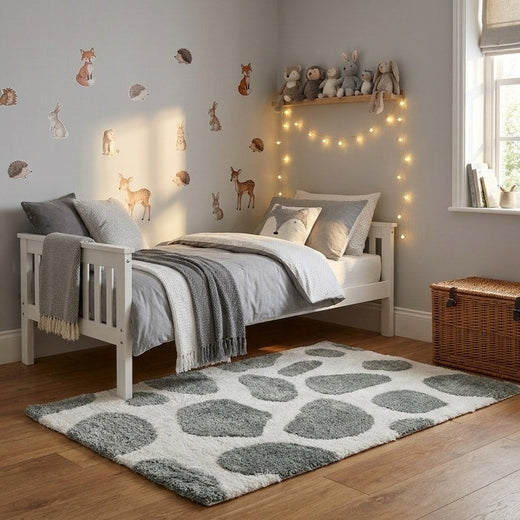
404 styles, Free UK Delivery
New guides in your inbox, no noise.
New guides, materials and styling tips.